
[ad_1]
Want to see your students’ eyes light up? Tell them they’re going to do an experiment! These 3rd grade science projects are easy enough for any classroom or kitchen, and they’re full of science concepts kids need to learn.
To make things even easier, we’ve rated every one of these 3rd grade science experiments based on difficulty and materials:
Difficulty:
- Easy: These are low- or no-prep experiments you can do pretty much anytime.
- Medium: These take a little more setup or a longer time to complete.
- Advanced: Experiments like these take a fairly big commitment of time or effort.
Materials:
- Basic: Use simple items you probably already have around the house.
- Medium: You’ll use items that you might not already have but are easy to get your hands on.
- Advanced: These require specialized or more expensive supplies to complete.
Jump to:
Physical Science Experiments and Projects for 3rd Grade
These 3rd grade science projects help students explore force, motion, sound, light, heat, electricity, magnetism, and energy. With simple materials and hands-on investigations, students can observe how objects move, interact, and respond to different forces.
1. Race balloon rockets
- Difficulty: Easy
- Materials: Basic
- Materials Needed: Balloon, straw, tape, string
Thread a string through a straw, then tape an inflated balloon to the straw. When students release the balloon, the escaping air pushes backward and propels the balloon forward along the string. This activity introduces Newton’s third law of motion in a kid-friendly way and helps students see how forces can create motion.
2. Explore sound waves with rubber-band guitars
- Difficulty: Easy
- Materials: Basic
- Materials Needed: Rubber bands, empty tissue box, markers
Stretch rubber bands of different thicknesses around an empty tissue box to create a simple guitar. Students can pluck each band and listen for changes in pitch. Have them observe how the bands vibrate and compare how thicker, thinner, looser, or tighter bands create different sounds.
3. Test magnet strength
- Difficulty: Easy
- Materials: Basic
- Materials Needed: Magnets, paper clips, small metal objects
Give students different magnets and have them test how many paper clips or small metal objects each one can pick up. Students can record and compare their results to determine which magnet is strongest. This simple experiment introduces magnetic force and helps students discover that magnets can vary in strength.
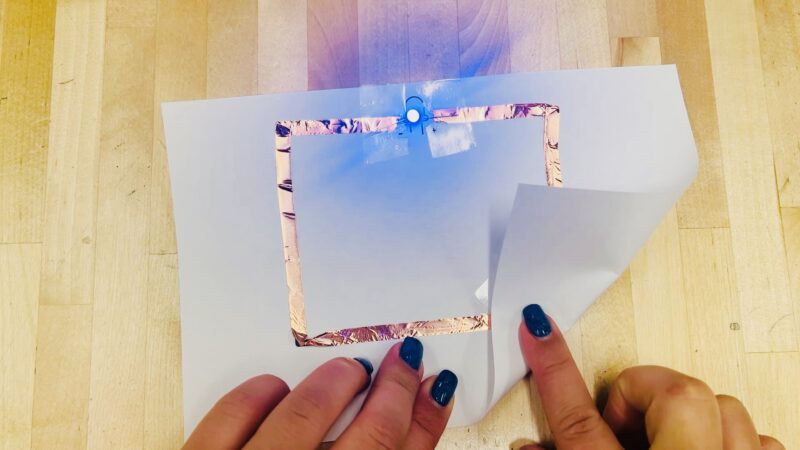
4. Build a simple circuit
- Difficulty: Medium
- Materials: Medium
- Materials Needed: Battery, small bulb, foil or wires, tape
Students connect a battery to a small light bulb using wires or strips of foil. When the circuit is complete, the bulb lights up. Have students test what happens when the circuit is open or closed so they can understand how electricity needs a complete path to flow.
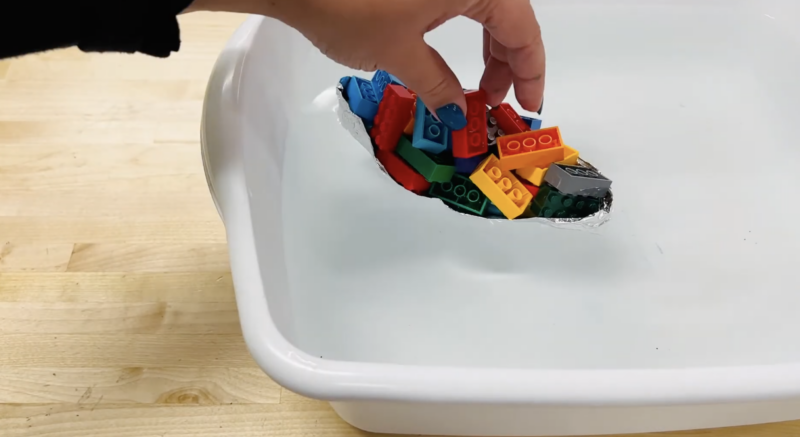
5. Create a foil boat that holds weight
- Difficulty: Easy
- Materials: Basic
- Materials Needed: Aluminum foil, pennies, container of water
Students design and shape small boats using aluminum foil, then place them in water and add pennies one at a time. They can count how many pennies each boat holds before sinking. Encourage students to revise their boat designs to explore buoyancy, shape, and how objects float.
6. Observe heat absorption with colors
- Difficulty: Easy
- Materials: Basic
- Materials Needed: Black paper, white paper, ice cubes, sunny spot
Place one ice cube on black paper and another on white paper in the same sunny location. Students observe which ice cube melts faster and discuss why dark colors absorb more heat. This experiment connects heat absorption to everyday examples like clothing, playground surfaces, and pavement.
7. Test friction with ramps
- Difficulty: Easy
- Materials: Basic
- Materials Needed: Books, board, fabric, foil, toy car, ruler
Build a simple ramp using books and a board, then cover the ramp with different materials. Roll a toy car down each surface and measure how far it travels. Students can compare results to learn how friction affects motion and how some surfaces slow objects down more than others.
8. Compare force with rubber-band launchers
- Difficulty: Medium
- Materials: Basic
- Materials Needed: Rubber bands, spoons, cotton balls, measuring tape
Use rubber bands and spoons to launch cotton balls across a flat surface. Students can pull the rubber band back different lengths and measure how far the cotton ball travels. This experiment helps students see that stronger pushes or pulls usually create greater motion.
9. Test bouncing-ball energy
- Difficulty: Easy
- Materials: Basic
- Materials Needed: Balls made from different materials, ruler or measuring tape
Drop different balls from the same height and observe how high each one bounces. Students can compare a tennis ball, rubber ball, foam ball, or basketball. This activity introduces energy transfer and elasticity as students investigate why some materials bounce better than others.
10. Observe shadows with a stick
- Difficulty: Easy
- Materials: Basic
- Materials Needed: Stick, sunny day, chalk
Place a stick upright outside and trace its shadow with chalk at different times of day. Students can observe how the shadow changes in length and direction as the sun appears to move across the sky. This activity helps students connect sunlight, shadows, and Earth’s rotation.
11. Make a water-bottle thermometer
- Difficulty: Medium
- Materials: Medium
- Materials Needed: Water bottle, straw, clay, colored water, bowl of warm water, bowl of cool water
Fill a bottle with colored water and seal a straw into the top using clay. When the bottle is warmed or cooled, students can observe the water level rising or falling in the straw. This experiment helps students see how liquids expand and contract with temperature changes.
12. Create a homemade compass
- Difficulty: Easy
- Materials: Basic
- Materials Needed: Needle, magnet, leaf, bowl of water, adult supervision
Magnetize a needle by rubbing it with a magnet, then carefully place it on a leaf floating in a bowl of water. The needle will turn to point north and south. This hands-on activity introduces Earth’s magnetic field and shows students how a simple compass works.
13. Investigate air pressure with a Ping-Pong ball
- Difficulty: Easy
- Materials: Basic
- Materials Needed: Hair dryer, Ping-Pong ball, adult supervision
Turn on a hair dryer and carefully hold a Ping-Pong ball above the stream of air. Students can observe how the ball stays suspended instead of falling. This demonstration introduces air pressure and helps students see how fast-moving air can affect an object’s motion.
14. Build a static-electricity object
- Difficulty: Easy
- Materials: Basic
- Materials Needed: Tissue paper, straw, balloon
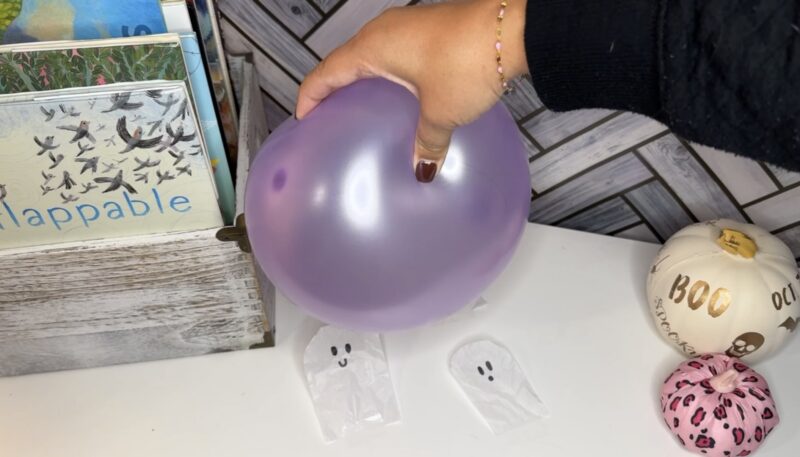
Cut small pieces of tissue paper and arrange them on a table. Rub a balloon on hair or fabric, then hold it above the tissue paper to watch the pieces move. Students can observe how static electricity causes attraction and learn that electric charges can act without direct contact.
15. Make paper helicopter twirlers
- Difficulty: Easy
- Materials: Basic
- Materials Needed: Paper, scissors, paper clip
Cut and fold paper into a simple helicopter shape, then add a paper clip to the bottom for weight. Drop the helicopter from a safe height and watch it spin as it falls. Students can change the wing size or shape to explore gravity, air resistance, and motion.
Matter and Its Interactions Science Projects for 3rd Grade
These 3rd grade science projects help students explore solids, liquids, gases, mixtures, solutions, melting, freezing, and other changes in matter. Students will observe how materials behave, combine, separate, and change when heat, cold, or other substances are added.
16. Make root beer floats to explore states of matter
- Difficulty: Easy
- Materials: Basic
- Materials Needed: Root beer, ice cream, cups, spoons
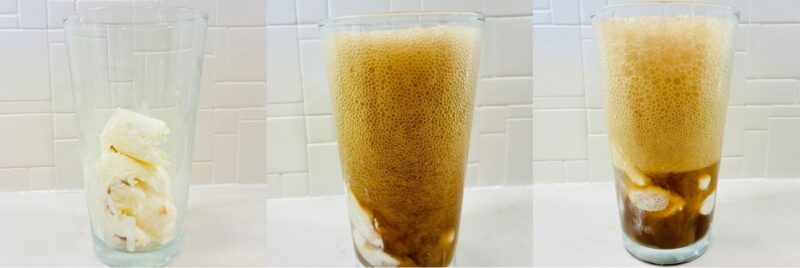
Mix root beer and ice cream to explore solids, liquids, and gases interacting in one fun treat. Students can identify the ice cream as a solid, the root beer as a liquid, and the fizzy bubbles as a gas. Have students observe the foam, melting ice cream, and bubbles to describe how different states of matter can exist together.
17. Hold a dissolving race in water
- Difficulty: Easy
- Materials: Basic
- Materials Needed: Sugar, salt, sand, cornstarch, clear cups of water, spoons
Add different materials to separate cups of water and stir each one the same number of times. Students can observe which materials dissolve quickly, slowly, or not at all. This activity introduces solubility and helps students understand that not all solids behave the same way in water.
18. Melt ice with salt
- Difficulty: Easy
- Materials: Basic
- Materials Needed: Ice cubes, salt, plates, timer
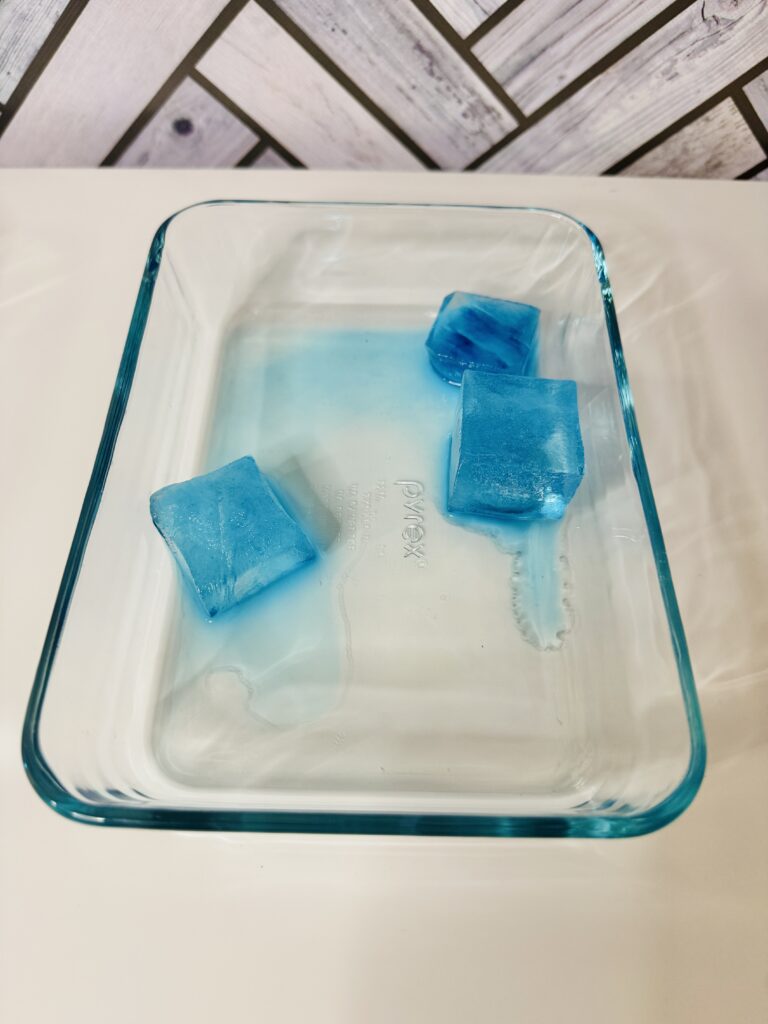
Place ice cubes on plates and sprinkle salt on some while leaving others plain. Students observe which cubes melt faster and describe what happens to the ice. This experiment introduces freezing point and helps explain why salt is used on icy roads and sidewalks.
19. Compare gas expansion with balloons
- Difficulty: Easy
- Materials: Basic
- Materials Needed: Balloons, bottles, warm water, cold water, bowls or containers
Place balloons over the tops of empty bottles, then set the bottles in warm and cold water. Students can observe whether the balloons expand or shrink as the air inside the bottles warms or cools. This activity helps students understand that gases expand when heated and contract when cooled.
20. Make color-changing milk
- Difficulty: Easy
- Materials: Basic
- Materials Needed: Milk, dish soap, food coloring, shallow dish, cotton swabs or dropper
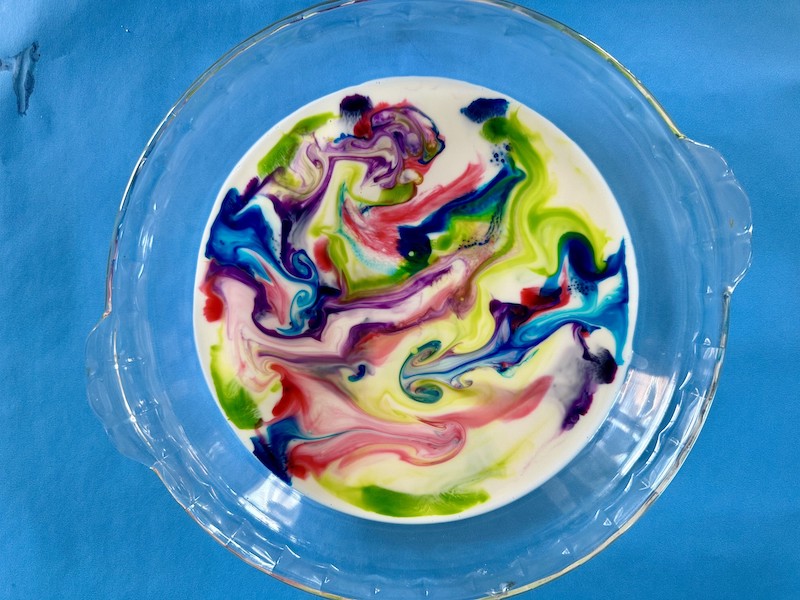
Pour milk into a shallow dish and add drops of food coloring to the surface. Touch the milk with a cotton swab dipped in dish soap and watch the colors swirl. Students can observe how soap breaks the surface tension of the milk and interacts with fat molecules.
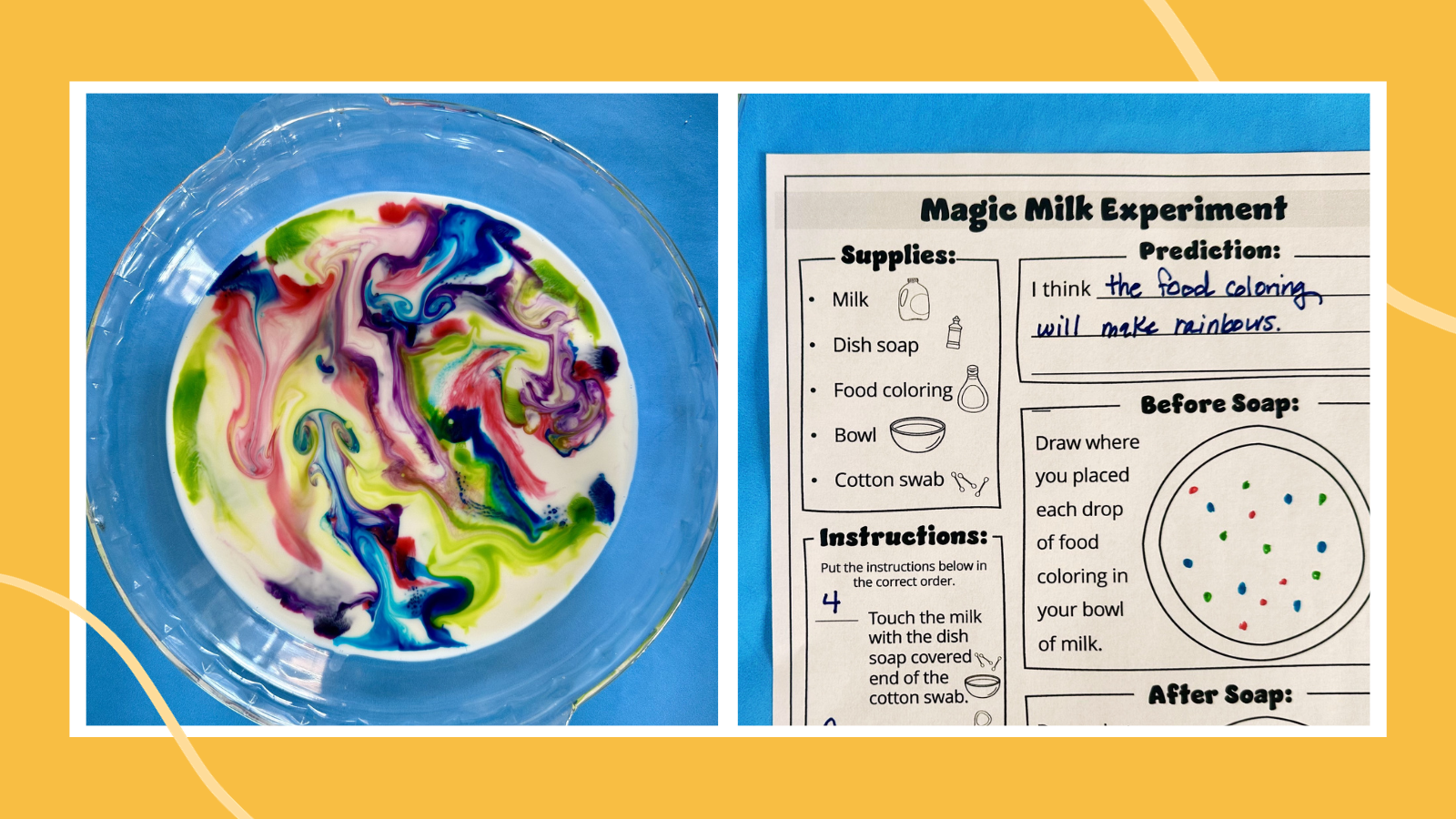
Magic Milk Experiment (Worksheet + Demo Video)
Watch our video to learn how to do the magic milk experiment. Then have students fill out the observation sheet.
21. Construct a homemade lava lamp
- Difficulty: Easy
- Materials: Basic
- Materials Needed: Clear bottle or jar, oil, water, food coloring, antacid tablet
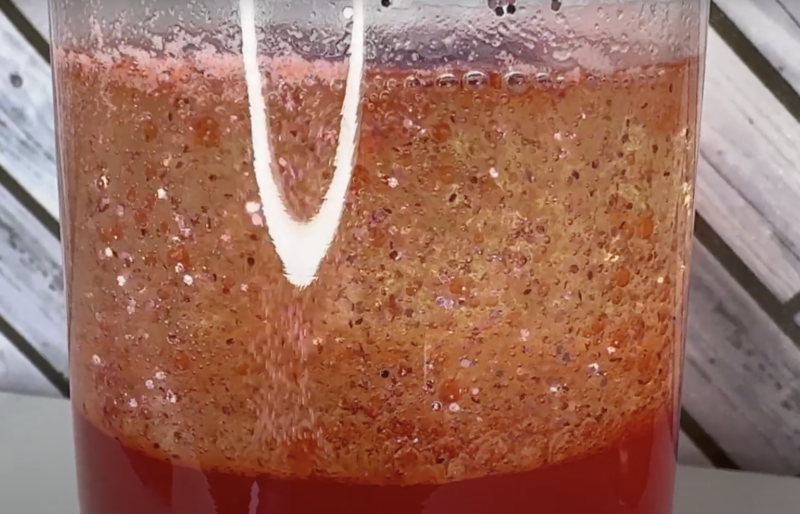
Fill a clear container with oil and water, then add food coloring. Drop in a piece of antacid tablet and watch colored bubbles rise and fall. Students can observe how oil and water separate, how gas bubbles move through liquid, and how density affects what sinks or floats.
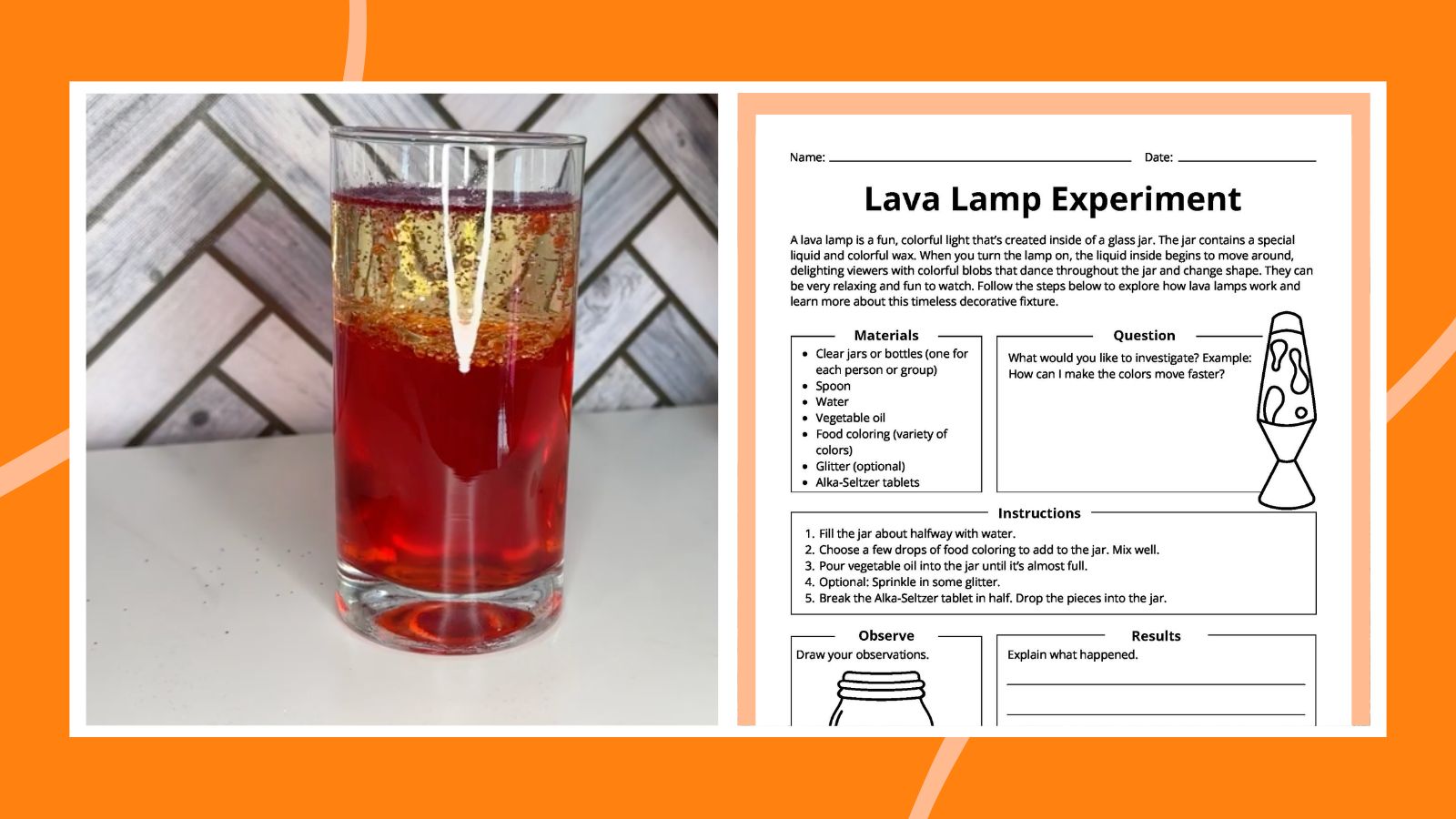
DIY Lava Lamp (Experiment + Demo Video)
Watch the video to learn how to make a DIY lava lamp with your students. Then have them fill out the step-by-step experiment worksheet.
22. Freeze and compare liquids
- Difficulty: Medium
- Materials: Basic
- Materials Needed: Water, juice, soda, small cups, freezer, observation sheet
Pour equal amounts of different liquids into small cups and place them in the freezer. Students can check the cups over time to see which liquids freeze first and which take longer. This experiment helps students compare properties of liquids and understand that different materials can freeze at different rates.
23. Observe crayons melting
- Difficulty: Easy
- Materials: Basic
- Materials Needed: Crayons, aluminum foil, warm sunny surface or warming tray, adult supervision
Place small crayon pieces on foil and gently warm them. Students observe how the crayons soften, spread, and change from solid to liquid. Use this activity to introduce melting and show how adding heat can change the state of matter.
24. Filter water with coffee filters
- Difficulty: Easy
- Materials: Basic
- Materials Needed: Dirt, water, coffee filters, cups or jars
Mix dirt and water to create muddy water, then pour the mixture through a coffee filter. Students can observe how the filter traps larger solid particles while cleaner water passes through. Remind students that filtered water may look cleaner but is not safe to drink.
25. Build a simple mixture and solution chart
- Difficulty: Easy
- Materials: Basic
- Materials Needed: Sugar, sand, beads, water, clear cups, spoons, chart paper
Mix different materials with water and observe what happens in each cup. Students can sort the results into mixtures and solutions, then record their observations on a chart. This activity helps students recognize the difference between materials that dissolve and materials that remain separate.
Ecosystem and Organism Science Projects for 3rd Grade
These 3rd grade science projects introduce students to plants, animals, habitats, food chains, decomposers, and the needs of living things. Students can observe how organisms grow, interact with their environments, and depend on air, water, sunlight, soil, and food.
26. Grow seeds in a bag
- Difficulty: Easy
- Materials: Basic
- Materials Needed: Paper towel, seeds, plastic bag, water, tape
Place seeds inside a damp paper towel and seal them in a clear plastic bag. Tape the bag to a window or wall and observe it over several days. Students can watch roots and stems begin to grow while learning about germination and what plants need to survive.
27. Build a mini terrarium
- Difficulty: Medium
- Materials: Medium
- Materials Needed: Jar, soil, small plants, spray bottle, small rocks
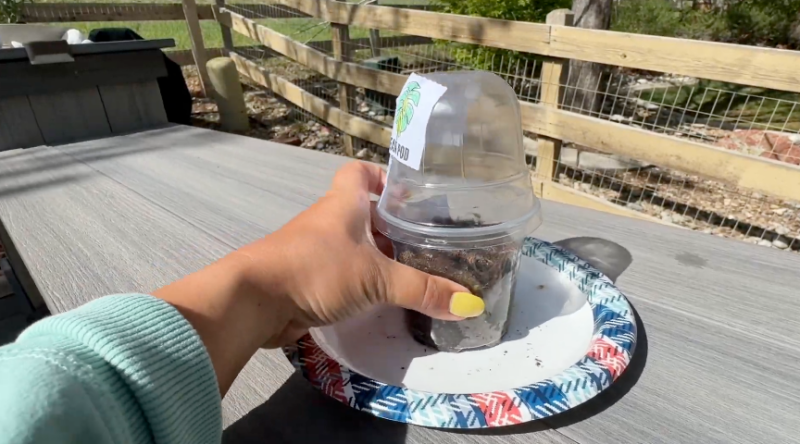
Students create a small terrarium using soil, plants, and a clear container. Over time, they can observe plant growth and water collecting on the inside of the jar. This activity introduces ecosystems and shows how water can cycle through a closed environment.
28. Test what plants need to grow
- Difficulty: Medium
- Materials: Basic
- Materials Needed: Small plants or seeds, light and dark areas, water, labels, ruler
Grow similar plants while changing one condition, such as light or water. Students can compare a plant with sunlight to one kept in darkness, or a watered plant to an unwatered one. This investigation helps students understand that plants need specific resources to grow.
29. Make compost in a bottle
- Difficulty: Medium
- Materials: Medium
- Materials Needed: Plastic bottle, food scraps, soil, leaves or shredded paper, water
Build a mini compost bin using soil, food scraps, and dry plant material inside a clear bottle. Students can observe how the materials change over time. This activity introduces decomposition and shows how matter is recycled in nature.
30. Compare roots in different soils
- Difficulty: Medium
- Materials: Medium
- Materials Needed: Different soil types, clear cups, identical seeds, water, labels
Plant the same type of seed in different soils, such as sand, clay, and potting soil. As the plants grow, students can compare root development and overall plant health. This experiment helps students understand how soil type affects plant growth.
31. Model a food chain
- Difficulty: Easy
- Materials: Basic
- Materials Needed: Paper strips, markers, tape or glue
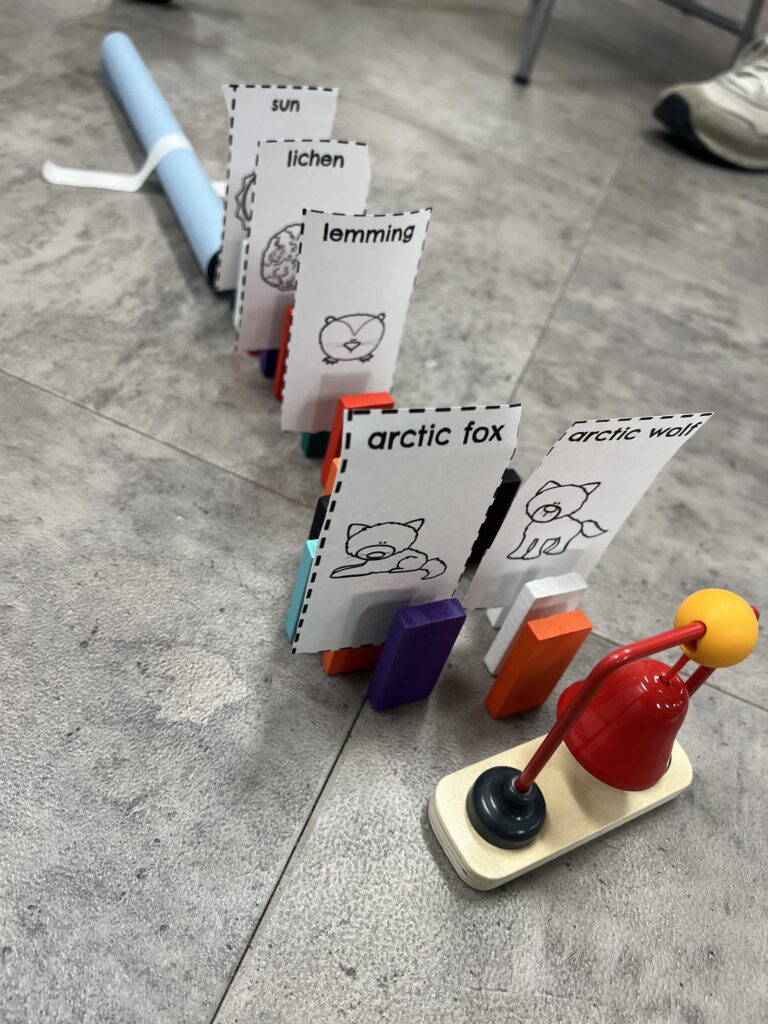
Students create a paper chain showing the order of a simple food chain. Begin with a producer, then add consumers and decomposers. As students build and label the chain, they can visualize how energy moves through an ecosystem.
32. Observe worm behavior
- Difficulty: Easy
- Materials: Medium
- Materials Needed: Worms, soil, clear container, leaves or food scraps, gloves
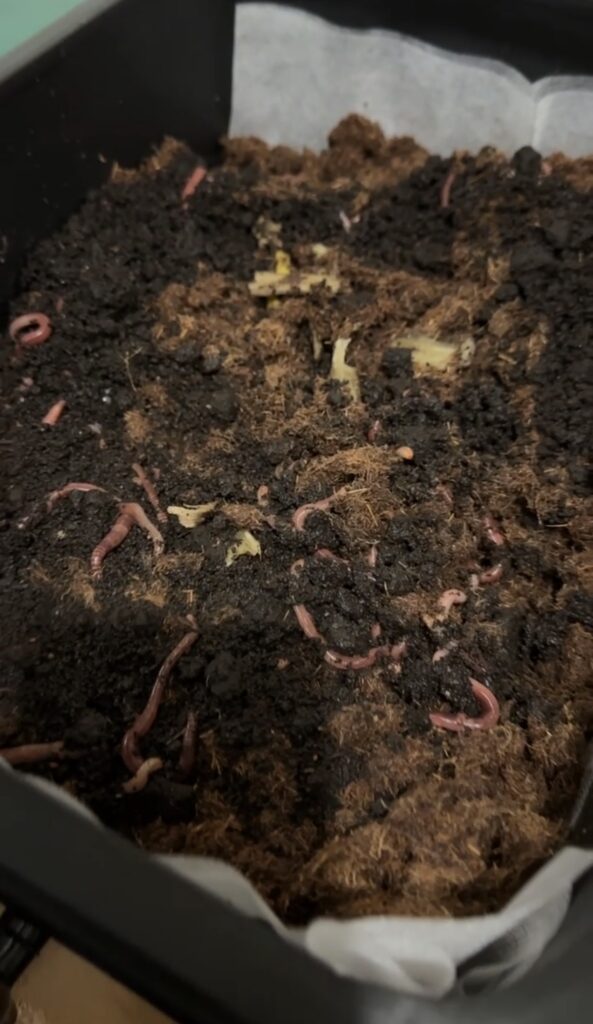
Create a simple worm habitat in a clear container and observe how worms move through soil. Students can watch tunneling behavior and discuss how worms help break down materials. This activity introduces decomposers and their role in soil health.
33. Sort living and nonliving objects
- Difficulty: Easy
- Materials: Basic
- Materials Needed: Picture cards or classroom objects, sorting mat or chart
Give students pictures or objects and ask them to sort each one as living, nonliving, or once-living. Discuss the traits living things have, such as needing food, water, air, and the ability to grow or reproduce. This activity helps students build classification skills and understand basic characteristics of life.
34. Compare leaves under magnifiers
- Difficulty: Easy
- Materials: Basic
- Materials Needed: Leaves, magnifying lenses, paper, pencils
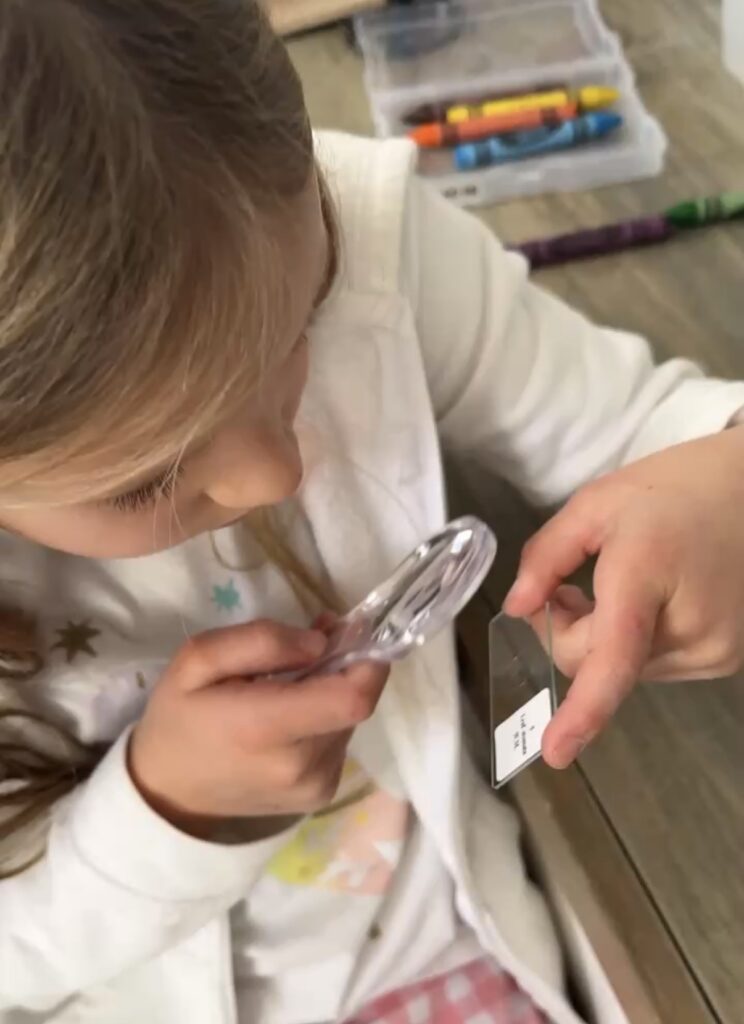
Have students examine different leaves using magnifying lenses. They can observe veins, edges, texture, color, and size. Ask students to sketch what they see and compare how leaf structures help plants survive.
35. Build a simple aquatic habitat
- Difficulty: Medium
- Materials: Medium
- Materials Needed: Clear container, rocks, aquatic plants, water
Students design a small aquatic habitat using water, rocks, and aquatic plants. They can observe how the plants interact with the water and discuss what living things need to survive in aquatic environments. This activity introduces ecosystems and the relationship between living and nonliving parts.
Earth’s Systems Science Projects for 3rd Grade
These 3rd grade science projects help students investigate weather, water, soil, erosion, landforms, earthquakes, and other Earth processes. Students use simple models to observe how water, wind, heat, and movement change the planet over time.
36. Make rain in a jar

- Difficulty: Easy
- Materials: Basic
- Materials Needed: Hot water, ice, clear jar, plate, adult supervision
Pour hot water into a clear jar, cover it with a plate, and place ice on top. As warm water vapor rises and cools, condensation forms and droplets fall back down like rain. This activity models parts of the water cycle, including evaporation, condensation, and precipitation.
37. Build a wind sock
- Difficulty: Easy
- Materials: Basic
- Materials Needed: Paper, markers, string, tape
Students create a simple wind sock using paper, string, and tape, then hang it outdoors. They can observe how the wind sock moves to show wind direction and strength. This activity helps students explore weather patterns and how wind can be observed and measured.
38. Simulate a water cycle in a bag
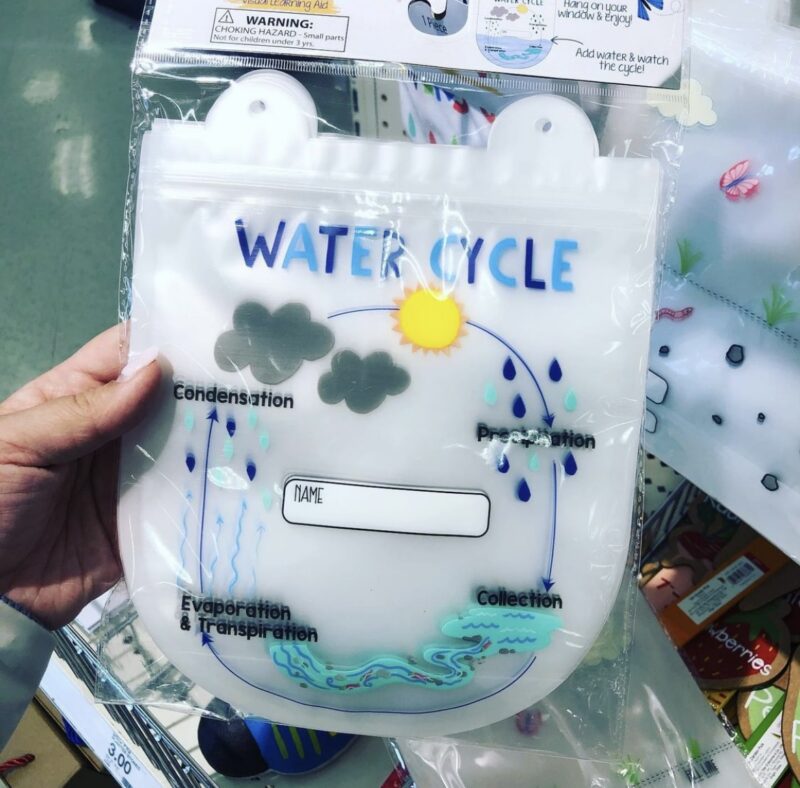
- Difficulty: Easy
- Materials: Basic
- Materials Needed: Resealable plastic bag, water, blue food coloring, tape, sunny window
Add colored water to a resealable bag, seal it, and tape it to a sunny window. Over time, students can observe water evaporating, condensing, and forming droplets inside the bag. Label the bag with water-cycle terms to reinforce evaporation, condensation, and precipitation.
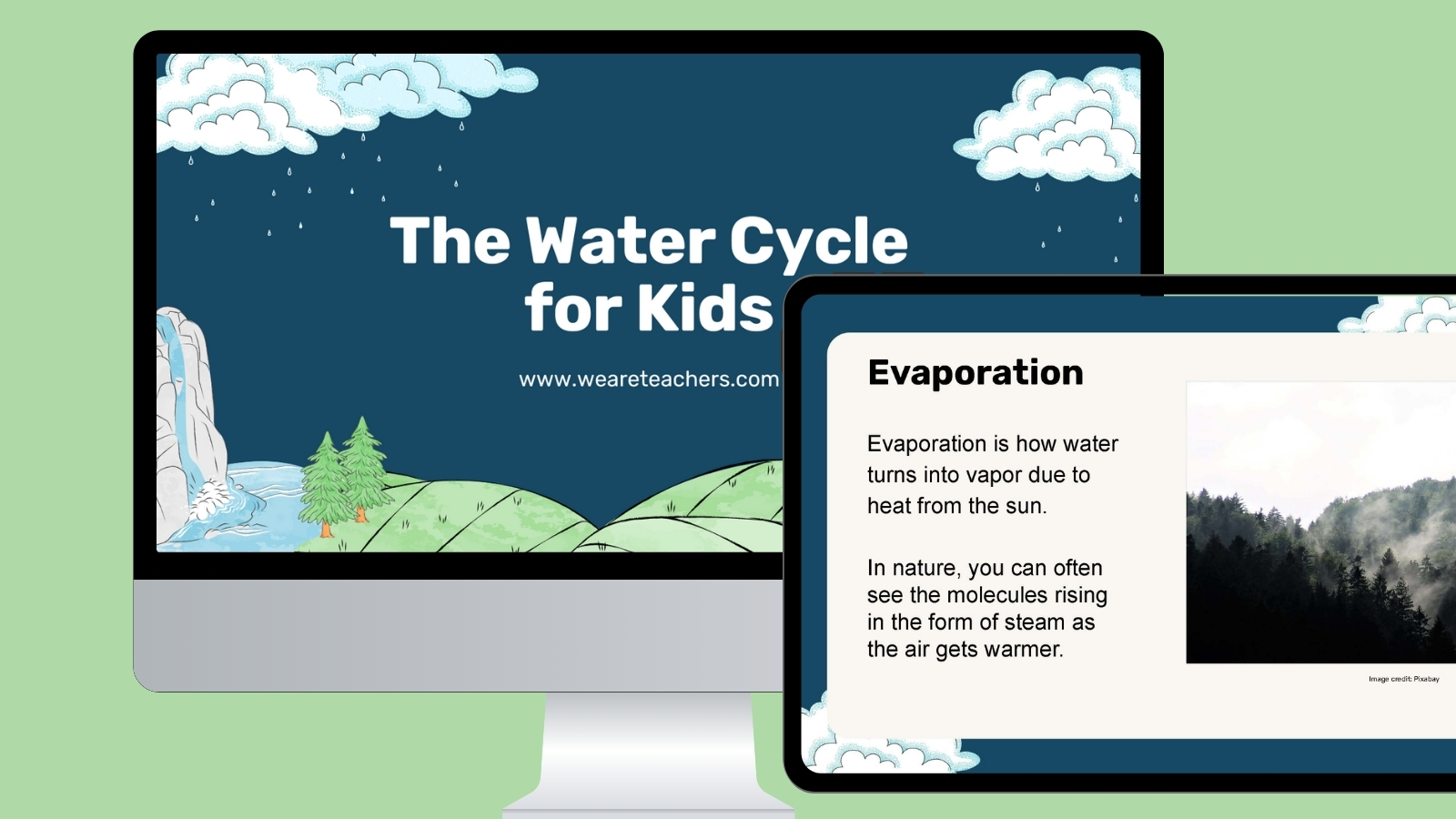
The Water Cycle for Kids (Slides + Video)
Watch the video to learn more about the water cycle. Then grab your free slides to use with your students.
39. Compare soil types
- Difficulty: Easy
- Materials: Basic
- Materials Needed: Sand, clay, potting soil, cups, water, spoons
Students examine different soil types by touching them, adding water, and observing how each absorbs and drains. They can compare texture, color, clumping, and how quickly water moves through each soil. This activity helps students understand that soils have different properties that affect plants and land.
40. Make a cloud in a jar
- Difficulty: Medium
- Materials: Medium
- Materials Needed: Clear jar, warm water, ice, aerosol spray, plate, adult supervision
Add warm water to a jar, quickly spray a small amount of aerosol inside, and place a plate with ice on top. Students can observe a cloud forming as water vapor condenses around tiny particles. This demonstration models cloud formation in Earth’s atmosphere.
41. Simulate earthquakes with block towers
- Difficulty: Medium
- Materials: Basic
- Materials Needed: Blocks, tray or piece of cardboard
Students build block towers on a tray, then gently shake the tray to create a model earthquake. They can observe which structures remain standing and which fall. Encourage students to redesign their towers to explore stability and earthquake safety.
42. Model weathering with sugar cubes
- Difficulty: Easy
- Materials: Basic
- Materials Needed: Sugar cubes, water, jars or containers
Place sugar cubes in jars with a small amount of water and gently shake them. Students can observe the cubes breaking apart over time. This activity models physical weathering and helps students understand how water and movement can slowly break down rock.
43. Observe ocean currents with pepper
- Difficulty: Easy
- Materials: Basic
- Materials Needed: Bowl, warm water, pepper
Sprinkle pepper on the surface of warm water and gently blow across the bowl. Students can observe how the pepper moves across the surface like currents. This activity introduces the idea that wind and movement can affect water flow.
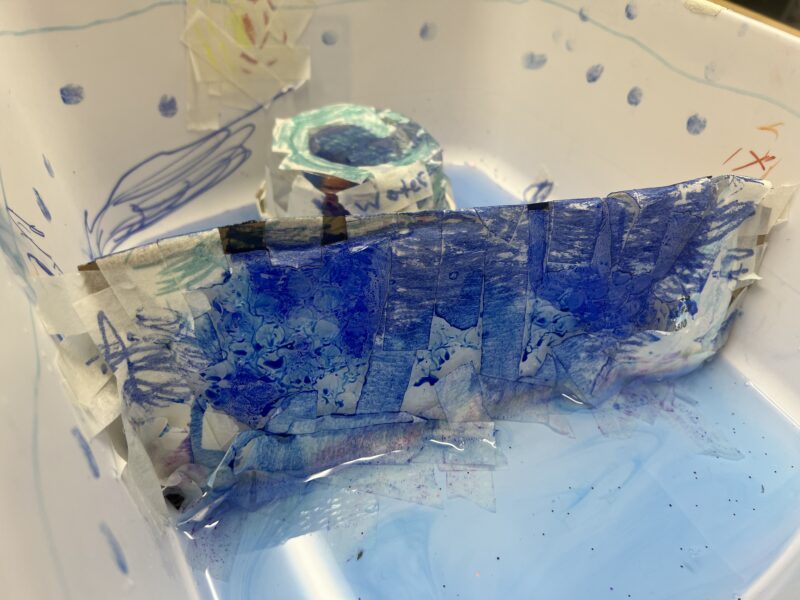
44. Build a mini floodplain
- Difficulty: Medium
- Materials: Medium
- Materials Needed: Sand, tray, water, cup, small rocks or toy houses if desired
Create a sloped landform using sand in a tray, then slowly pour water from the top. Students can observe how water spreads, carries sediment, and creates low-lying flooded areas. This model helps students understand floodplains and how moving water shapes land.
45. Simulate landslides
- Difficulty: Easy
- Materials: Basic
- Materials Needed: Dirt or soil, tray, spray bottle, water
Build a small slope with dirt or soil, then spray water onto it. As the soil becomes wet and heavy, students can observe it sliding downward. This activity helps students understand landslides and how water can weaken soil and change Earth’s surface.
Earth and Human Activity Science Projects for 3rd Grade
These 3rd grade science projects help students connect Earth science to real-world choices and environmental responsibility. Students can explore renewable energy, pollution, recycling, rainfall, and how people can protect natural resources.
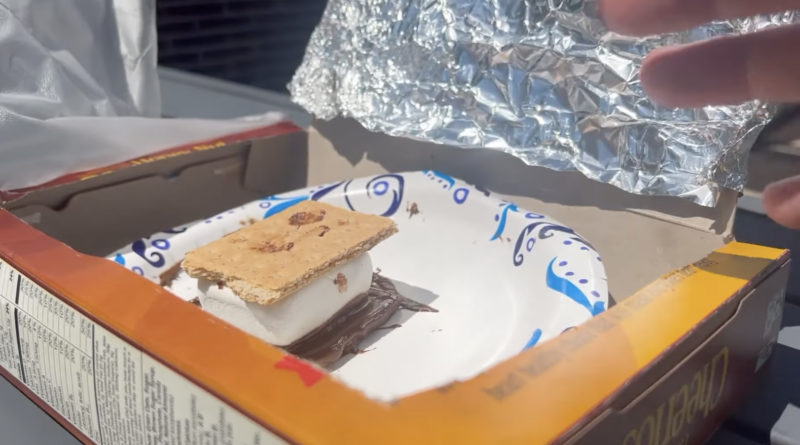
46. Build a solar oven
- Difficulty: Medium
- Materials: Medium
- Materials Needed: Cardboard box, aluminum foil, plastic wrap, black paper, tape, food item, sunlight
Students design and build a solar oven that uses sunlight to warm or cook a simple food item. They can observe how foil reflects light and black paper absorbs heat. This activity demonstrates energy transfer, heat absorption, and sustainable technology.
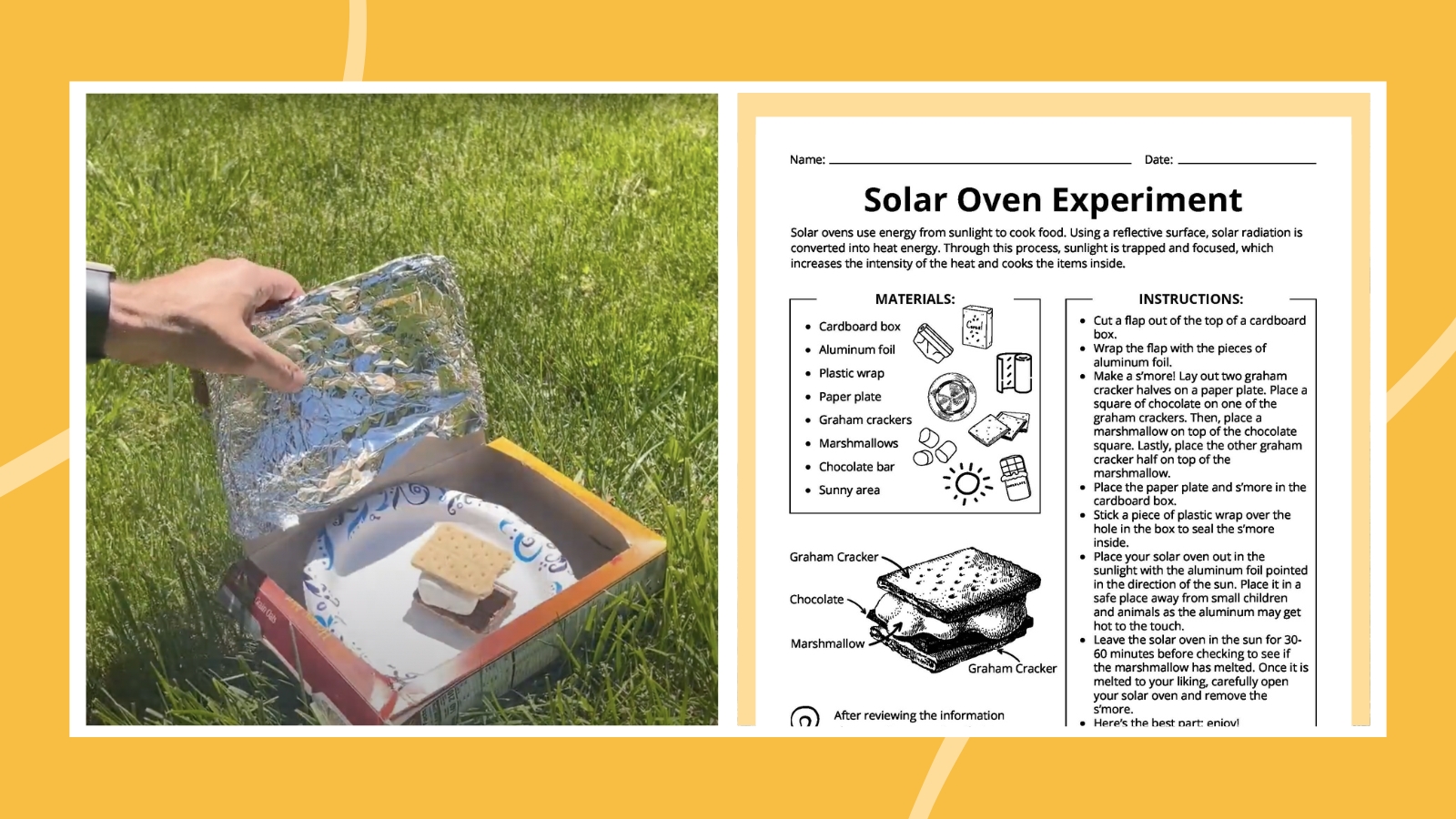
Solar Oven Experiment (Worksheet + Video)
Watch the video to learn how to build a safe solar oven. Then grab your free printable experiment recording sheet.
47. Model pollution with oil and water
- Difficulty: Easy
- Materials: Basic
- Materials Needed: Oil, water, feathers, shallow tray, absorbent materials
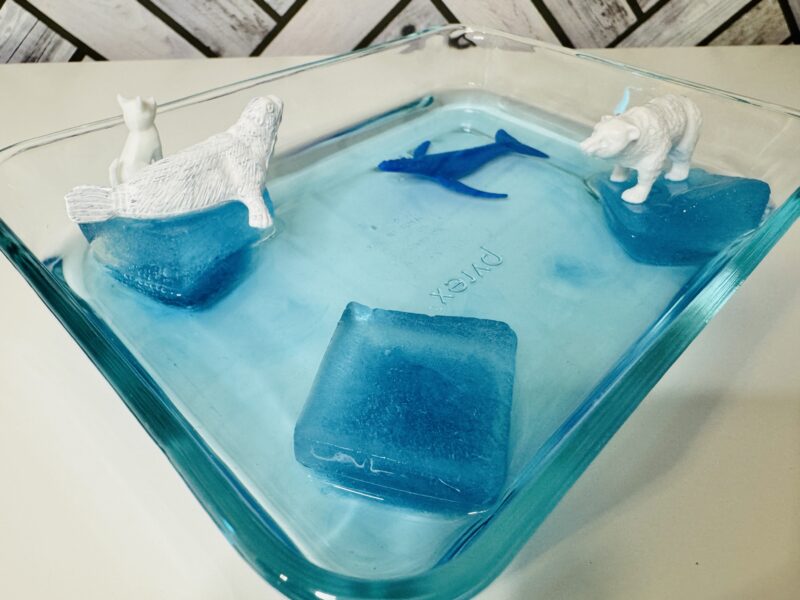
Add oil to water and observe how it spreads across the surface. Place feathers in the mixture and test different ways to remove the oil. This activity helps students understand how pollution affects wildlife and why oil spills are difficult to clean up.
48. Make a rainwater collector
- Difficulty: Medium
- Materials: Medium
- Materials Needed: Containers, ruler, outdoor space, recording sheet
Set up a simple rainwater collector outside before a rainstorm. After the rain, students measure how much water was collected and record the results. Repeating the activity over time helps students look for weather patterns and understand how precipitation is measured.
49. Test solar heat absorption
- Difficulty: Easy
- Materials: Basic
- Materials Needed: Paper cups, water, different-colored paper or cups, thermometer, sunlight
Fill cups with equal amounts of water and wrap or place them in different colors. Set them in sunlight and check the water temperature after a set amount of time. Students can observe which colors absorb more heat and connect the results to clothing, cars, and outdoor surfaces.
50. Try a sorting challenge with recyclable materials
- Difficulty: Easy
- Materials: Basic
- Materials Needed: Clean recyclable items, bins or sorting labels
Give students clean recyclable materials and ask them to sort items by type, such as paper, plastic, metal, and cardboard. Discuss which materials can be recycled and why recycling helps reduce waste. This activity introduces environmental responsibility and resource conservation.
Space System Science Projects for 3rd Grade
These 3rd grade science projects help students explore the sun, moon, planets, shadows, craters, constellations, and ultraviolet light. Students use models and observations to better understand patterns in the sky and the relationship between Earth and space.
51. Create craters with flour
- Difficulty: Easy
- Materials: Basic
- Materials Needed: Flour, cocoa powder, marbles, shallow tray, ruler
Spread flour in a shallow tray and dust the top with cocoa powder. Drop marbles from different heights and observe the craters that form. Students can compare crater size and shape to learn how impacts create surface features on planets and moons.
52. Model moon phases with Oreo cookies
- Difficulty: Easy
- Materials: Basic
- Materials Needed: Oreo or similar sandwich cookies, plastic knives or craft sticks, paper plates
Students twist apart sandwich cookies and scrape the frosting to represent moon phases. They arrange the cookies in order from new moon to full moon and back again. This hands-on model helps students understand why the moon appears to change shape over time.
53. Build a solar system model
- Difficulty: Medium
- Materials: Medium
- Materials Needed: Paper, markers, optional balls or spheres, labels
Students create a model of the solar system by drawing or building the planets and placing them in order from the sun. They can compare planet sizes, colors, and positions. This activity helps students understand the structure of the solar system and how planets orbit the sun.
54. Track sunlight and shadows
- Difficulty: Easy
- Materials: Basic
- Materials Needed: Stick, chalk, sunny day
Place a stick upright outside and trace its shadow at several times during the day. Students can observe how the shadow changes in length and direction. This activity helps students connect Earth’s rotation with the sun’s apparent movement across the sky.
55. Make constellation cards
- Difficulty: Easy
- Materials: Basic
- Materials Needed: Black paper, pushpin, flashlight, constellation examples
Students punch small holes in black paper to create constellation patterns. When they shine a flashlight through the holes, the constellation appears on a wall or ceiling. This activity helps students understand that constellations are patterns people identify in the night sky.
56. Compare planet sizes using clay
- Difficulty: Medium
- Materials: Basic
- Materials Needed: Clay or dough, planet size reference
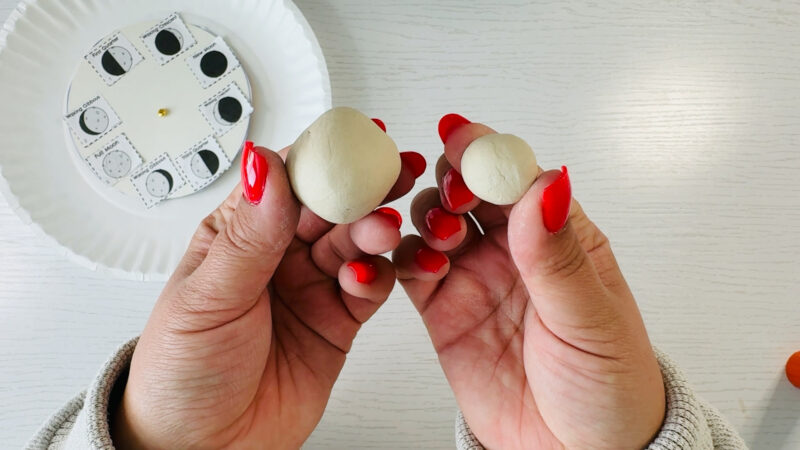
Students shape clay or dough to represent planets based on relative size. They can arrange the planets from smallest to largest and compare how different they are. This activity gives students a visual way to understand the scale of planets in our solar system.
57. Test solar UV with beads
- Difficulty: Medium
- Materials: Medium
- Materials Needed: UV-sensitive beads, sunlight, shade, sunscreen or sunglasses if desired
Place UV-sensitive beads in sunlight and observe how they change color. Move the beads into shade or cover them with different materials to compare results. This activity introduces ultraviolet light and helps students understand why sun protection matters.
Engineering Design and Science Fair Projects for 3rd Grade
These 3rd grade science projects are great for building, testing, improving, and turning observations into real experiments. Students can change one variable, make predictions, collect data, and explain what happened using evidence.
58. Build a straw roller coaster
- Difficulty: Medium
- Materials: Basic
- Materials Needed: Straws, tape, cardboard, marble
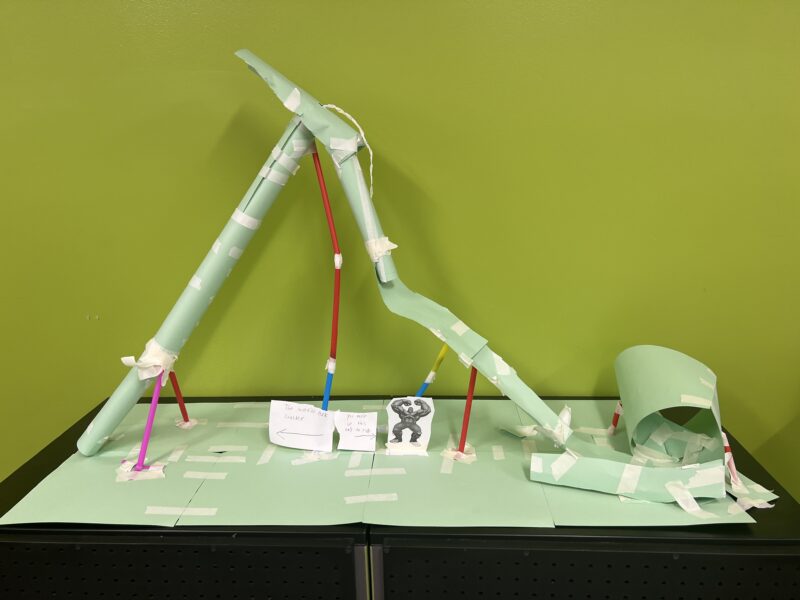
Students design and build a roller coaster track using straws and cardboard, then roll a marble through the track. They can test how height, curves, and slopes affect the marble’s motion. Encourage students to redesign the track to make the marble travel farther or stay on the track longer.
59. Grow sugar crystals
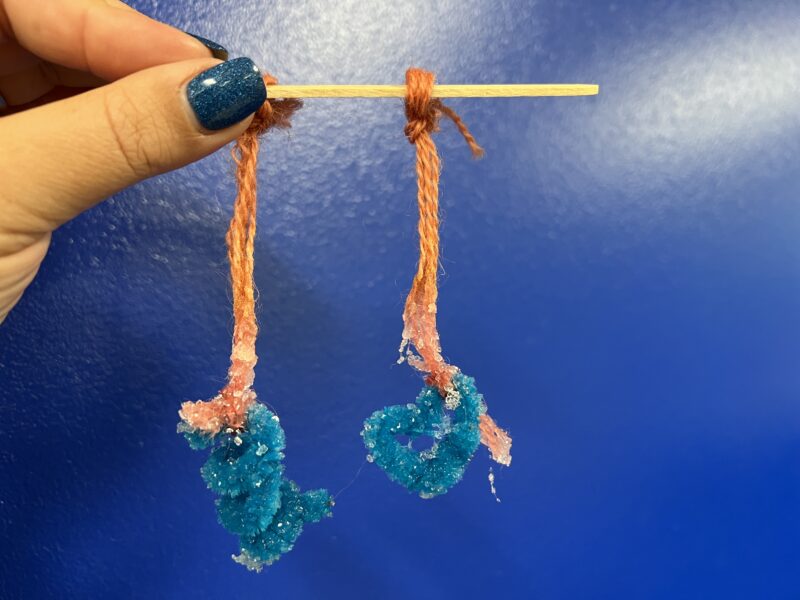
- Difficulty: Medium
- Materials: Medium
- Materials Needed: Sugar, water, jars, string or sticks, adult supervision
Dissolve sugar in hot water to create a concentrated solution, then let it cool and sit over time. Students can observe crystals forming on a string or stick. Have them compare how temperature, sugar amount, or waiting time affects crystal growth.
60. Watch water move colors
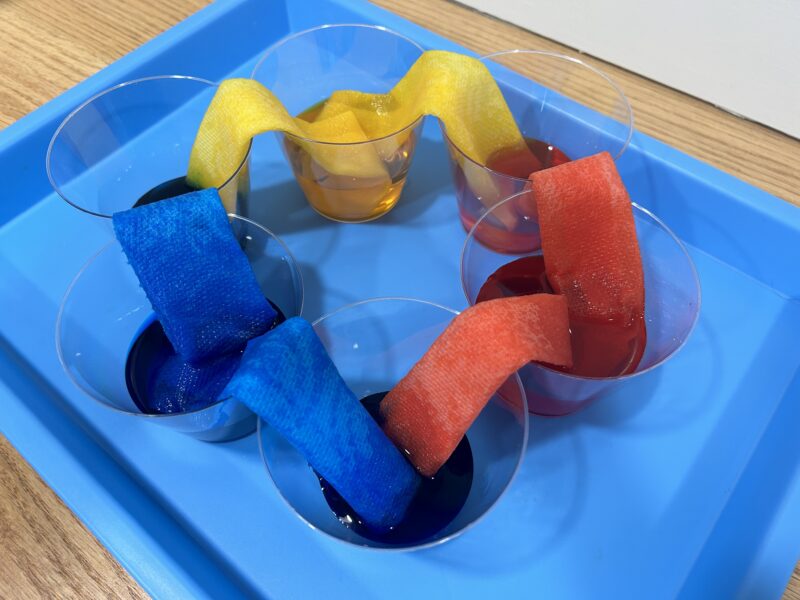
- Difficulty: Easy
- Materials: Basic
- Materials Needed: 6 small cups, water, food coloring, paper towels
Arrange six cups in a circle, alternating between cups filled with colored water and empty cups. Add folded paper towel strips between the cups. Students can observe water traveling through the paper towels and mixing colors in the empty cups, demonstrating capillary action.
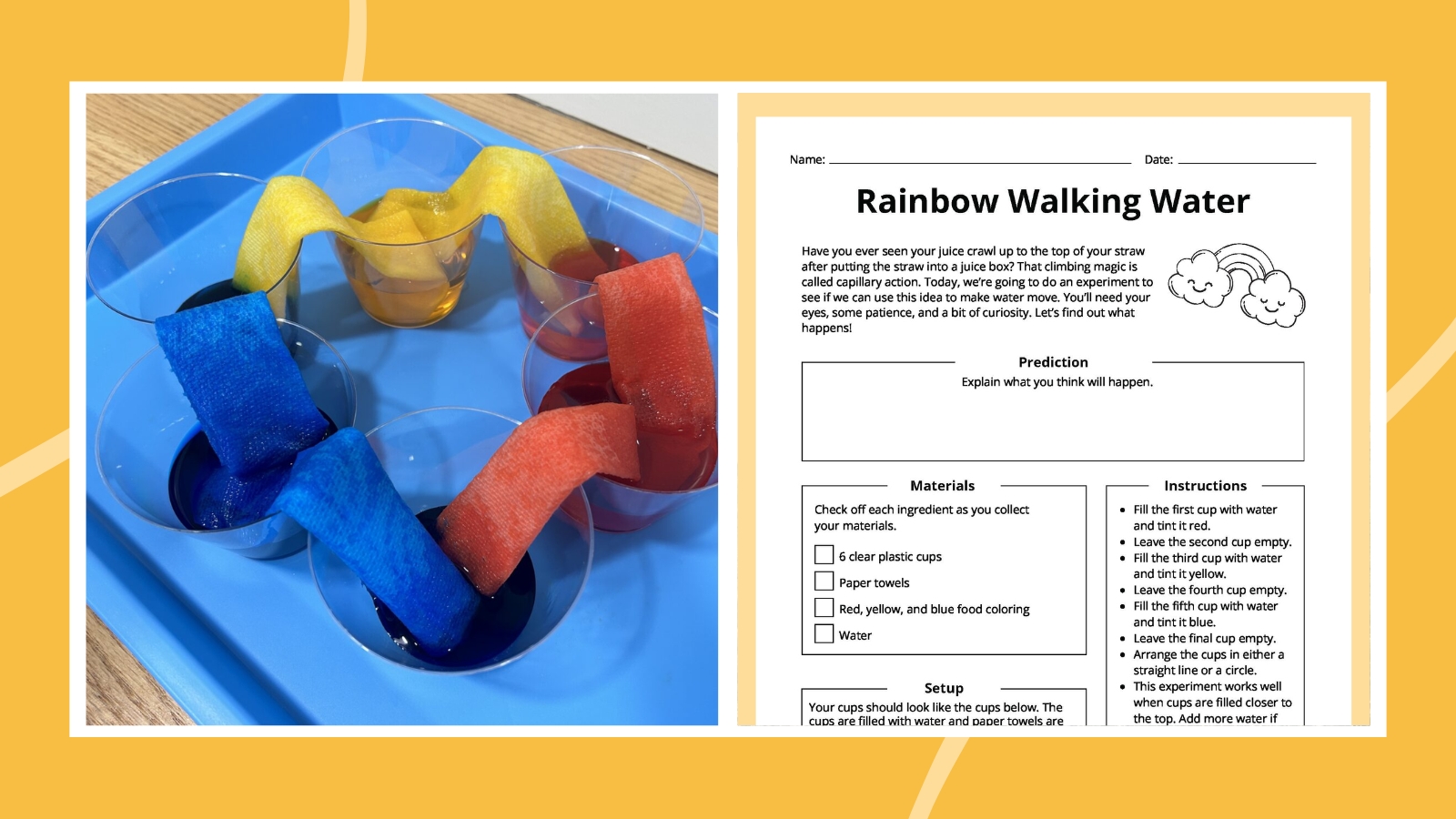
Rainbow Walking Water (Worksheet + Video)
Watch our demo video to learn how to make rainbow water walk! Then have students complete the worksheet to record their observations.
61. Test soundproofing with materials
- Difficulty: Medium
- Materials: Medium
- Materials Needed: Cardboard, fabric, foam, paper, sound source
Students build simple sound barriers using different materials and test how well each one blocks sound. They can compare which materials make sounds quieter and record their observations. This activity helps students explore how sound travels and how some materials absorb sound better than others.
62. Test paper airplane aerodynamics
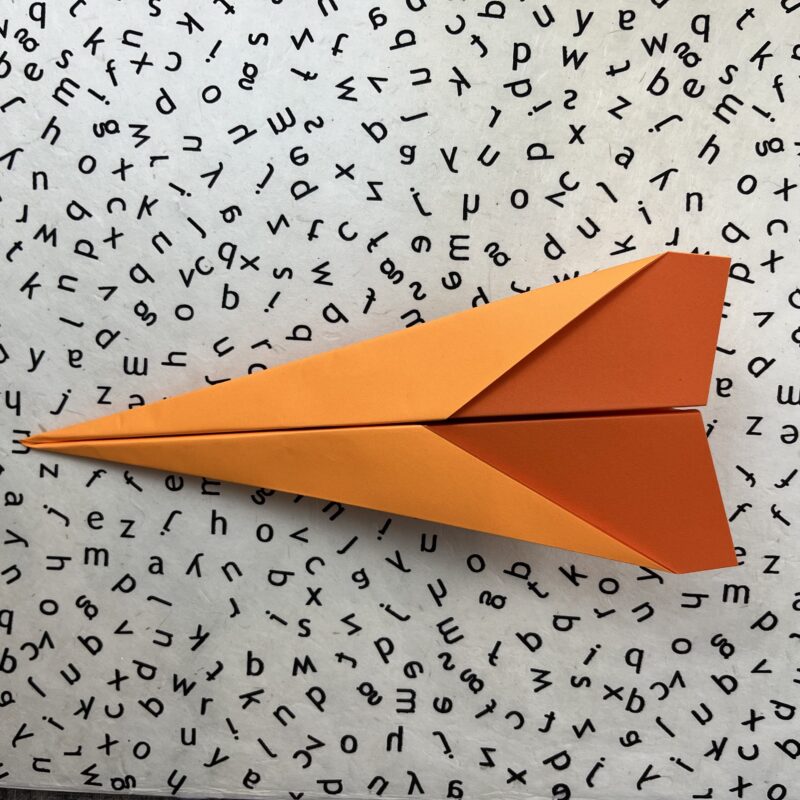
- Difficulty: Easy
- Materials: Basic
- Materials Needed: Paper, measuring tape
Students fold paper airplanes with different wing shapes and test how far each one flies. They can compare flight distance, direction, and stability. This activity introduces aerodynamics and helps students see how shape affects motion through air.
63. Test water pH around school
- Difficulty: Medium
- Materials: Medium
- Materials Needed: pH strips, water samples, clear cups, labels, recording sheet
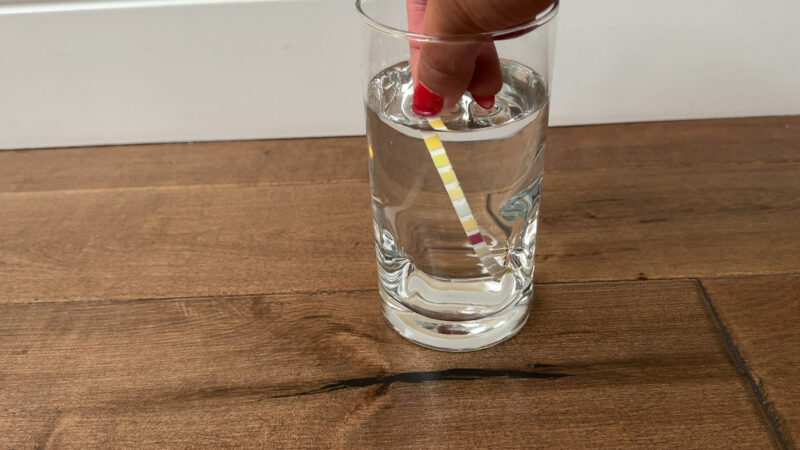
Collect water samples from around the school, such as from sinks, fountains, puddles, or rainwater. Students test each sample with pH strips and compare the color changes. This investigation introduces acidity, alkalinity, and how water quality can vary by location.
64. Make elephant toothpaste
- Difficulty: Medium
- Materials: Medium
- Materials Needed: 3% hydrogen peroxide, dish soap, yeast, warm water, plastic bottle, tray, safety goggles, gloves, adult supervision
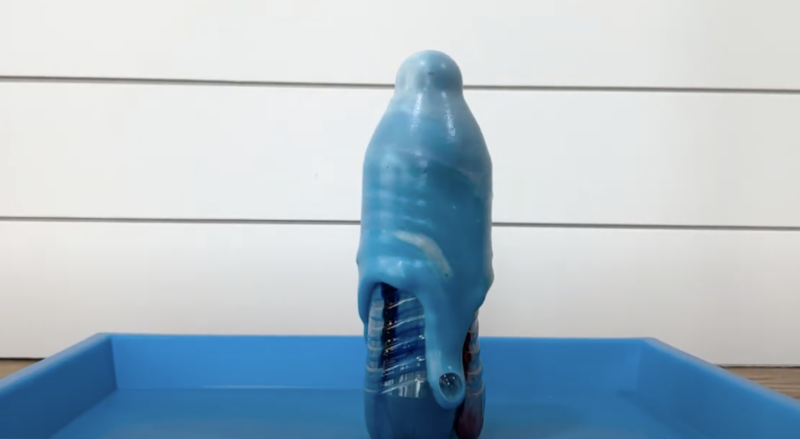
Mix dish soap and 3% hydrogen peroxide in a bottle, then add activated yeast. Students can watch foam expand quickly as oxygen gas is released and trapped in soap bubbles. This demonstration introduces chemical reactions, catalysts, and gas production.
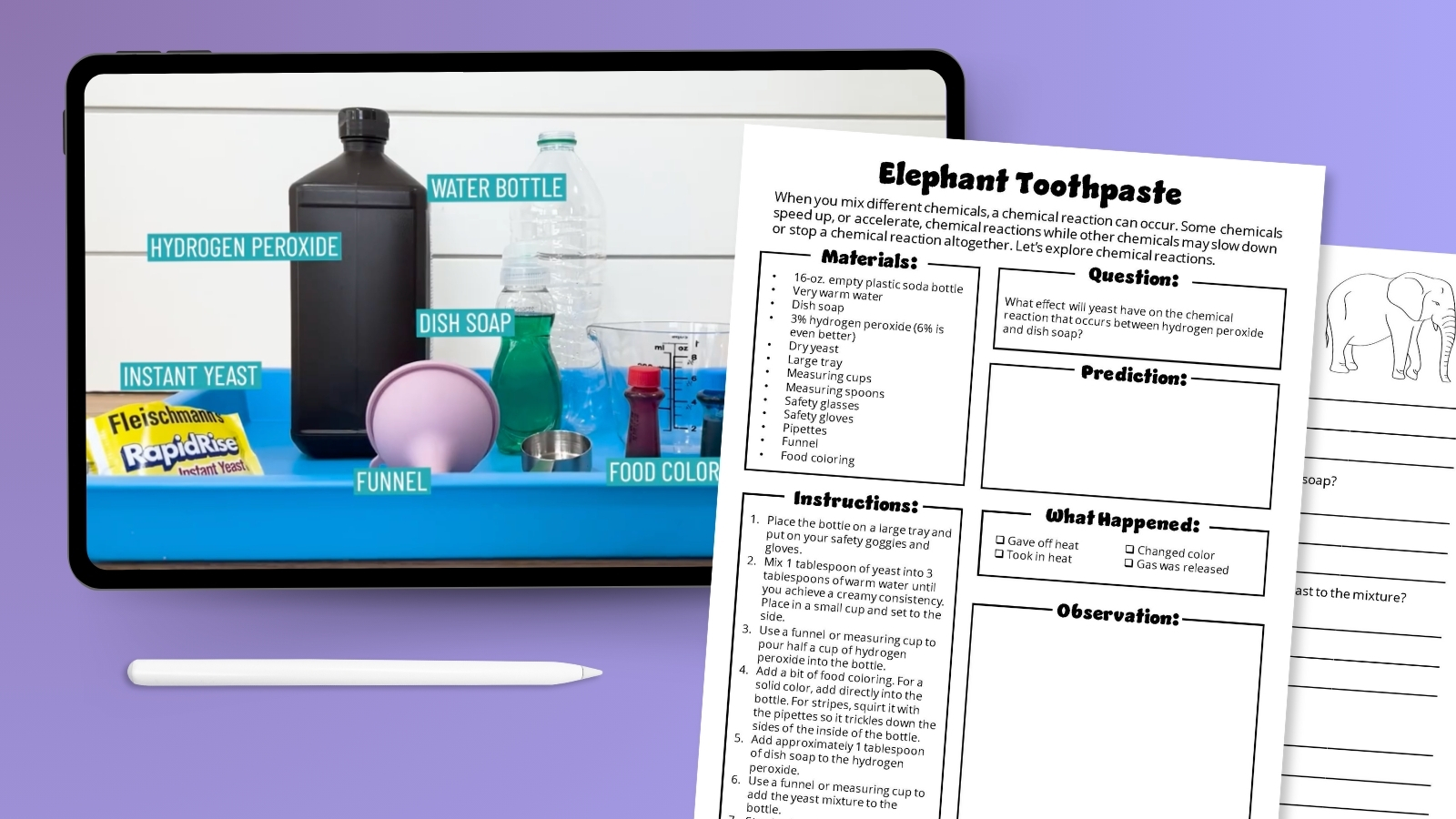
Elephant Toothpaste Experiment (Worksheet + Video)
Watch our demo video to learn how to make elephant toothpaste. Then have students fill out the observation sheet.
65. Launch your own bottle rocket
- Difficulty: Advanced
- Materials: Advanced
- Materials Needed: Plastic bottle, vinegar, baking soda, cork, launcher setup, safety goggles, outdoor space, adult supervision
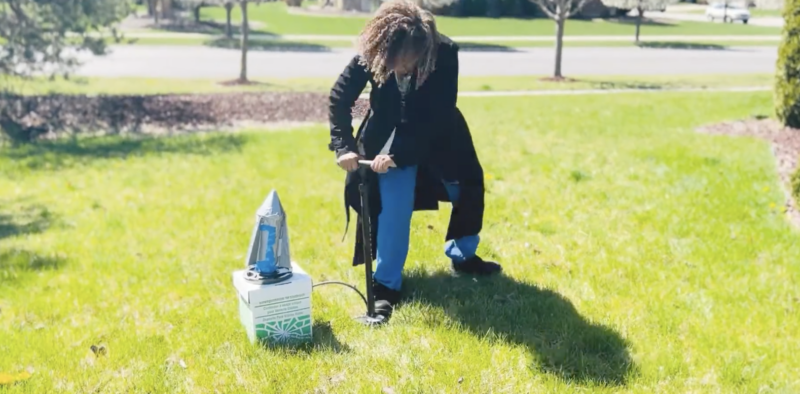
Build and launch a bottle rocket outdoors using baking soda and vinegar. As gas builds inside the bottle, pressure pushes the cork out and launches the rocket. Students can connect the launch to force, motion, gas pressure, and energy transfer.
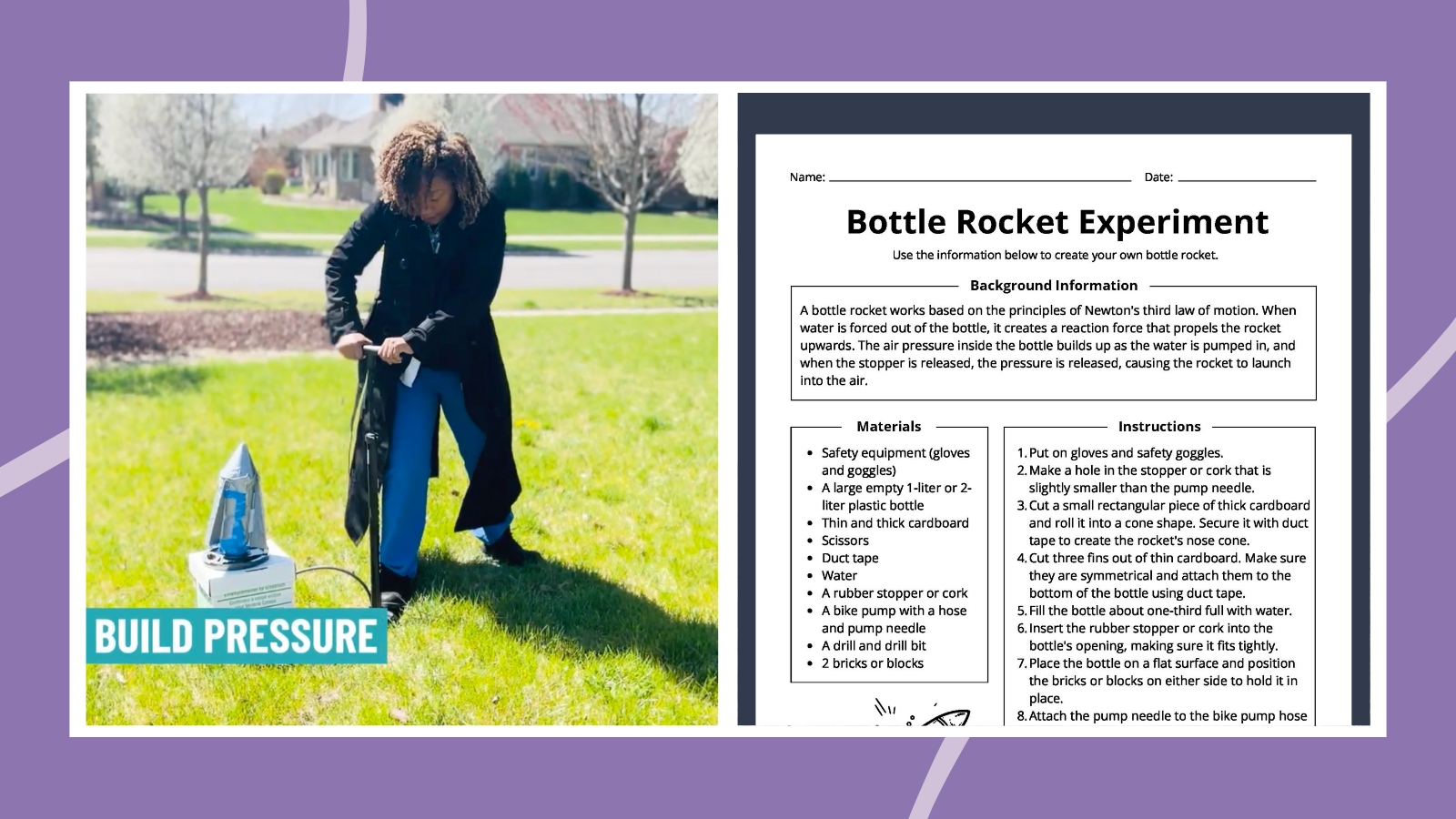
Bottle Rocket Experiment (Worksheet + Video)
Watch the demo video and grab your free Bottle Rocket Experiment instructions and worksheet for students.
Get your free printable science fair award certificates!
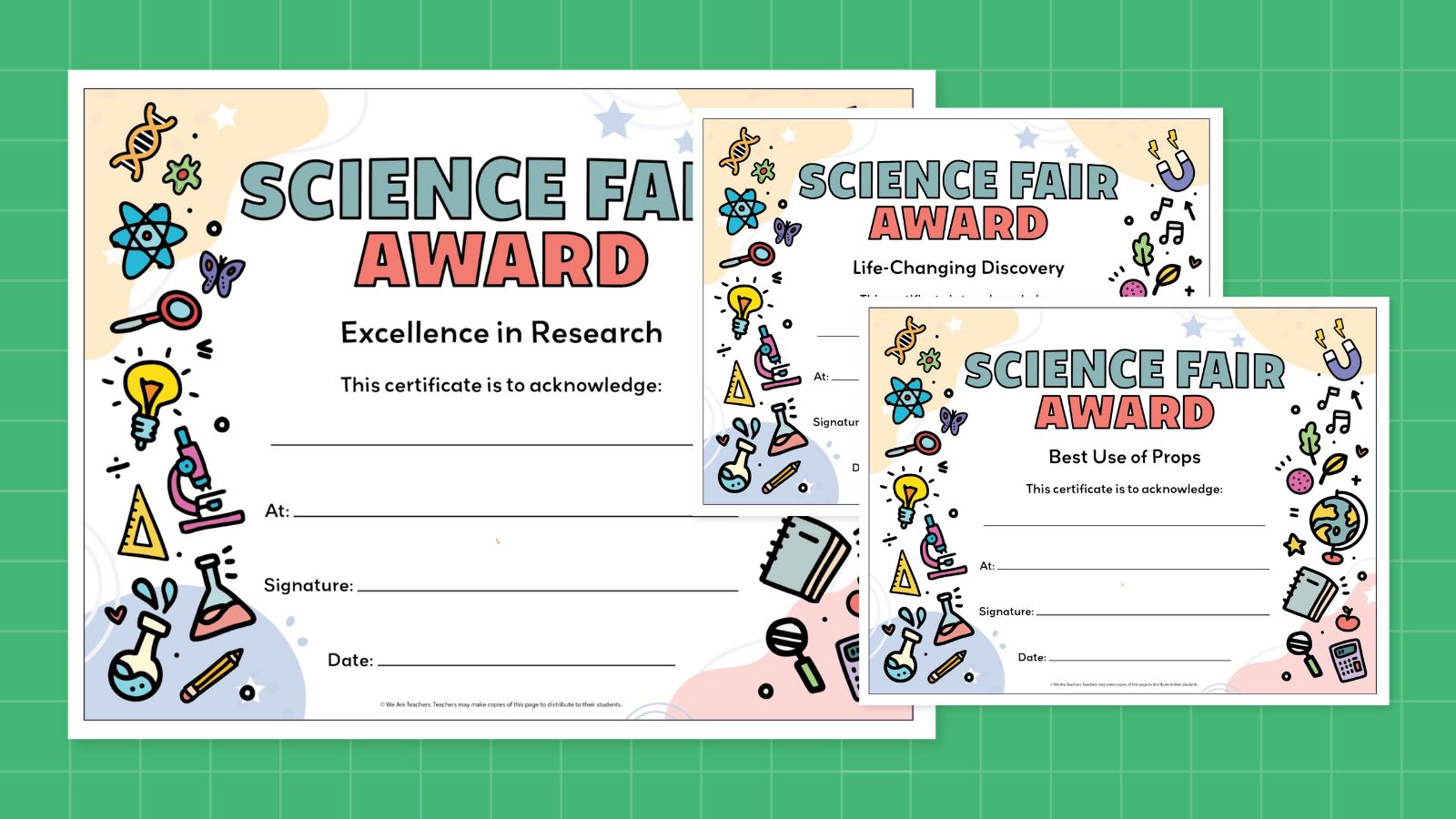
Plus, sign up for our newsletters to get all the latest teaching tips and tricks straight to your inbox!
[ad_2]
Source link