

Every day is a new opportunity for our youngest learners to ask “Why?” over and over. Tap into that curiosity with these fun and engaging science activities for preschoolers. These simple experiments incorporate many preschool favorites like playing with bubbles or water, making arts and crafts, and, of course, making a mess!
To make things even easier, we’ve rated every one of these science activities for preschoolers based on difficulty and materials.
Difficulty:
- Easy: These are low- or no-prep experiments you can do pretty much anytime.
- Medium: These take a little more setup or a longer time to complete.
- Advanced: Experiments like these take a fairly big commitment of time or effort.
Materials:
- Basic: These require simple items you probably already have on hand.
- Medium: You’ll need items that you might not already have but are easy to get your hands on.
- Advanced: These require specialized or more expensive supplies to complete.
Jump to:
Life Science Activities
1. Discover how germs spread
- Difficulty: Easy
- Materials: Basic
- Materials Needed: Glitter, soap, water
Glitter represents germs as students touch objects and each other. Washing hands shows how soap helps remove germs and keep people healthy. Students can compare rinsing their hands using only water to washing with soap to see which removes more “germs.”
Learn more here: 8 DIY Activities To Teach Kids About Germs
2. Grow grass in an eggshell
- Difficulty: Medium
- Materials: Medium
- Materials Needed: Eggshell halves, soil, grass seeds, water
Children plant grass seeds in eggshells and watch them grow. Students learn that plants need soil, water, and light to grow. Have students draw or measure the grass each day to track how quickly it changes.
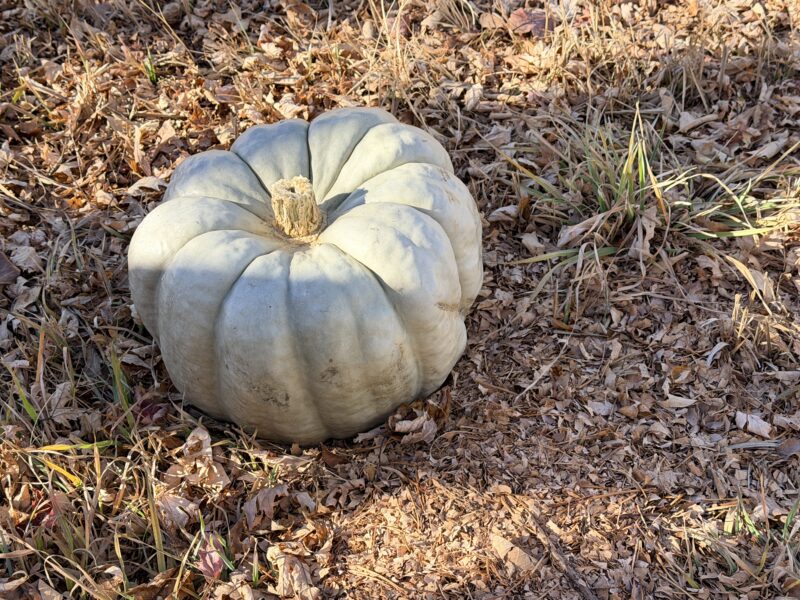
3. Observe a pumpkin decomposing
- Difficulty: Easy
- Materials: Basic
- Materials Needed: Pumpkin, outdoor space or container
A pumpkin is observed over time as it breaks down. Students explore how living things decompose and return nutrients to the soil. Students can record changes in color, texture, smell, and shape as the pumpkin slowly decomposes.
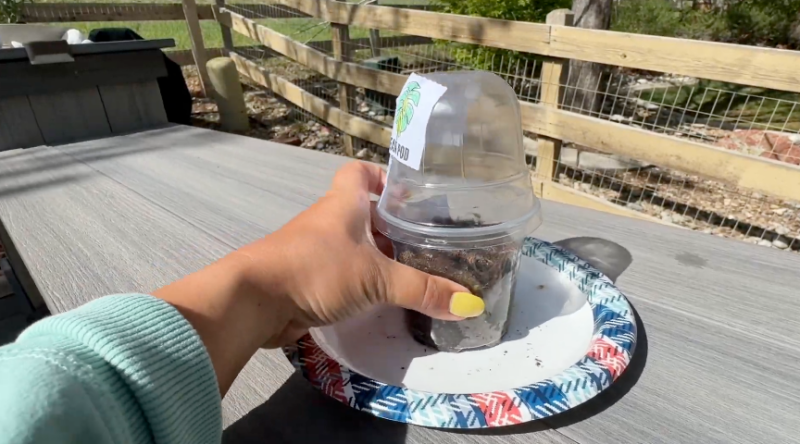
4. Learn about the plant life cycle
- Difficulty: Medium
- Materials: Medium
- Materials Needed: Seeds, soil, cups or pots, water
Children plant seeds and observe them as they sprout and grow. Students learn about the stages of a plant’s life cycle. Have students keep a simple plant journal to note when roots, stems, and leaves appear.
5. Learn about oxidation with apple slices
- Difficulty: Easy
- Materials: Basic
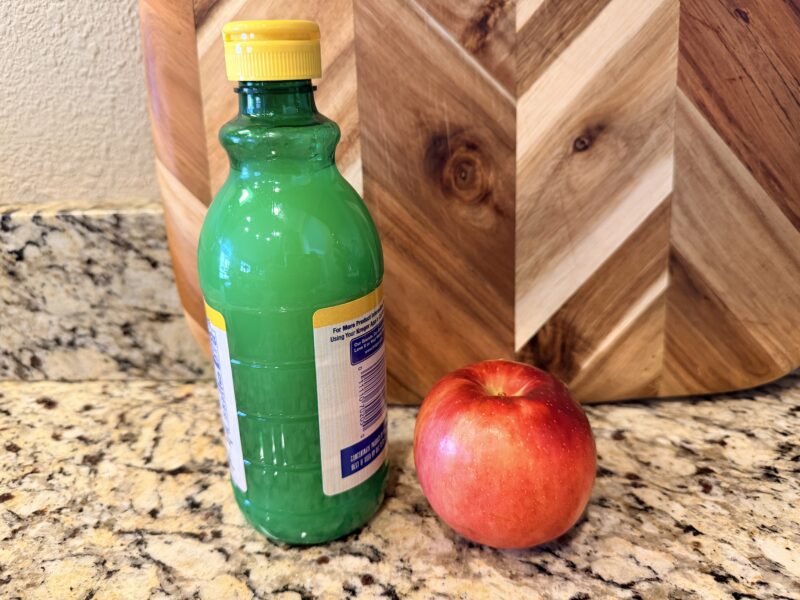
- Materials Needed: Apple slices, lemon juice, plates
Apple slices are left out or treated with lemon juice. Students observe how apples change color and learn that air can cause changes in food. Students can compare the slices after a set amount of time to see which treatment slows browning the most.
6. Learn why sunscreen is important
- Difficulty: Easy
- Materials: Basic
- Materials Needed: Construction paper, sunscreen, plastic wrap, sunlight
Paper “people” are protected in different ways and placed in the sun. Students learn how sunlight affects skin and how protection helps keep us safe. Have students compare the covered and uncovered areas to see how shade, clothing, or sunscreen can reduce sun exposure.
7. Craft a bird’s nest
- Difficulty: Easy
- Materials: Basic
- Materials Needed: Twigs, leaves, grass, yarn, cotton balls
Children collect natural materials and build a bird’s nest. Students explore how animals use natural resources to create safe homes for their babies. Students can test whether their nests can hold a small object, then improve the design based on what happens.
8. Watch leaves change color
- Difficulty: Easy
- Materials: Basic
- Materials Needed: Leaves, jars, rubbing alcohol, coffee filters
Children observe how colors appear in leaves. Students learn that leaves contain different pigments and change with the seasons. Have students compare leaves from different trees and sort them by color, shape, or texture.
Physical Science Activities
9. Make music with xylophone bottles
- Difficulty: Easy
- Materials: Basic
- Materials Needed: Glass bottles or jars, water, food coloring, spoon or mallet
Children fill bottles with different amounts of water and tap them to make sounds. Students explore how sound changes with water levels. They can arrange the bottles from lowest to highest pitch and notice how the amount of water affects the sound.
10. Make gigantic bubbles
- Difficulty: Easy
- Materials: Medium
- Materials Needed: Bubble solution, water, dish soap, bubble wand or yarn
Children create giant bubbles using homemade solution and wands. Students explore air, surface tension, and bubble shapes. Have students test different wand shapes and sizes to see what makes the largest or strongest bubbles.
Learn more: Giant Soap Bubbles (Guide + Printable Reflection Sheet)
11. Make popcorn dance
- Difficulty: Easy
- Materials: Basic
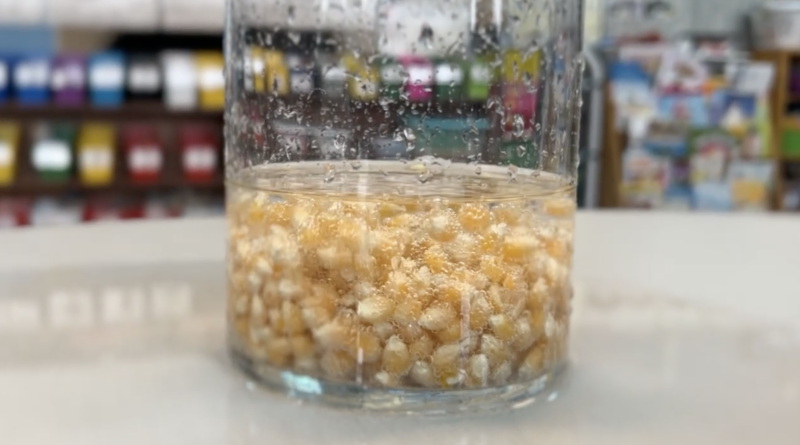
- Materials Needed: Popcorn kernels, Alka-Seltzer, water, clear glass
Students observe popcorn kernels rise and fall as gas bubbles attach and release. This activity demonstrates buoyancy, gas production, and forces acting in liquids.
Learn more: Dancing Popcorn (Guide + Printable Reflection Sheet)
12. Reveal colors with chemical reactions
- Difficulty: Easy
- Materials: Basic
- Materials Needed: Muffin tin, baking soda, vinegar, food coloring
Children add vinegar to colored baking soda and watch it fizz. Students explore reactions and color mixing. They can mix different colors before adding vinegar to see what new colors and reactions appear.
13. See what sinks and what floats
- Difficulty: Easy
- Materials: Basic
- Materials Needed: Tub of water, small objects (plastic, metal, wood)
Children test objects in water to see which sink or float. Students explore properties of materials. Have students make predictions first, then compare their guesses with the results.
14. Learn what dissolves in water
- Difficulty: Easy
- Materials: Basic
- Materials Needed: Water, cups, salt, sugar, sand
Children mix different materials into water. Students observe which materials dissolve and which do not. Students can compare salt, sugar, sand, and flour to see how each material behaves in water.
15. Watch hot water rise and cold water sink
- Difficulty: Easy
- Materials: Basic
- Materials Needed: Clear container, hot water, cold water, food coloring
Colored hot and cold water move differently in a container. Students explore temperature and density. Have students observe which color rises or sinks and connect the movement to differences in temperature.
16. Watch water move colors
- Difficulty: Easy
- Materials: Basic
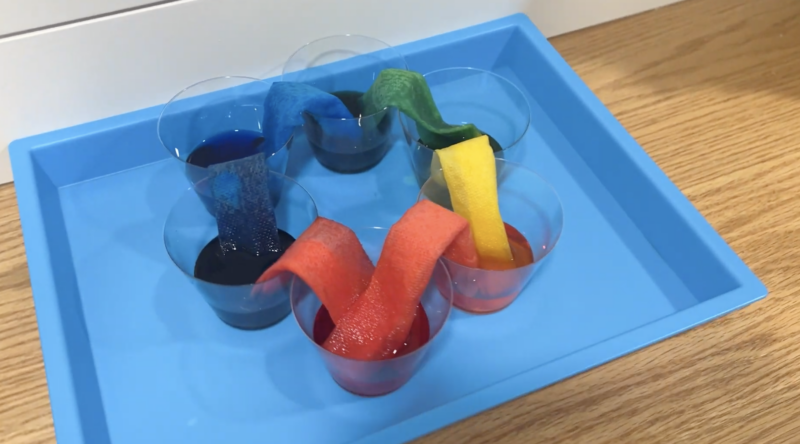
- Materials Needed: 6 small cups, water, food coloring, paper towels
Fill three small cups with water and add food coloring in each—red, yellow and blue. Then, set an empty cup next to each filled cup, creating a circle. Add a folded strip of paper towel inside each filled up, then into an empty empty, alternating the pattern. Check back in about an hour and notice how the colored water moved to each cup!
Learn more: Rainbow Walking Water Experiment: How-To Plus Free Worksheet
17. Blow bubble towers
- Difficulty: Easy
- Materials: Basic
- Materials Needed: Bubble solution, straws, tray
Children blow bubbles on top of bubbles to build towers. Students explore surface tension and air. They can test how bubble size, wand shape, or breath strength changes their bubble towers.
18. Build an aluminum foil boat
- Difficulty: Easy
- Materials: Basic
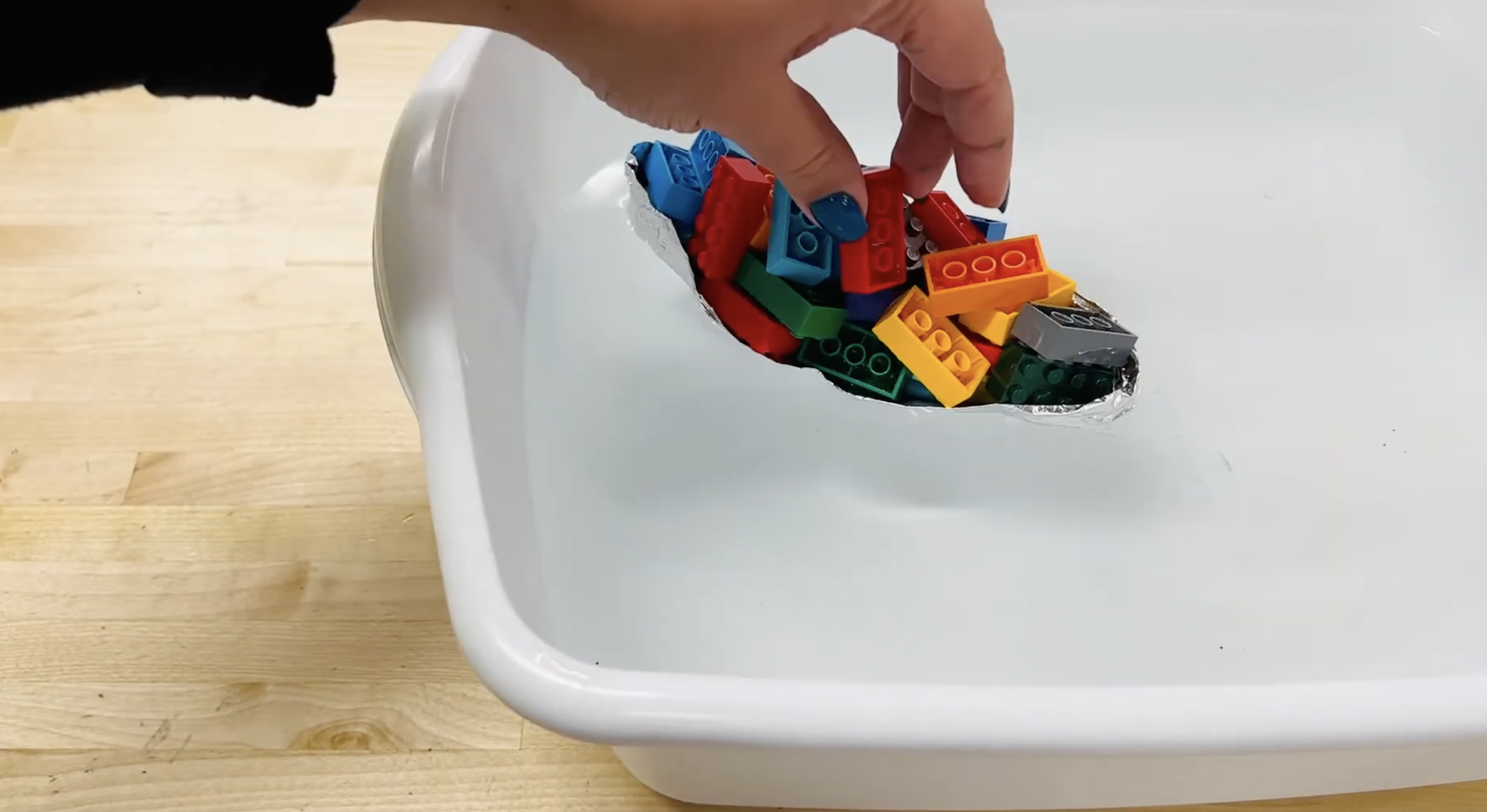
- Materials Needed: Aluminum foil, tub of water, small weights or pennies
Children design boats and test how much weight they can hold. Students explore buoyancy and balance. Have them add pennies or small counters one at a time to see which design holds the most weight before sinking.
19. Waterproof a boot
- Difficulty: Easy
- Materials: Basic
- Materials Needed: Paper boot template, tape, plastic wrap, fabric scraps, water
Children test materials to keep a boot dry. Students explore water resistance and materials. They can compare foil, plastic wrap, paper, fabric, and wax paper to identify the best waterproof covering.
20. Explore how mittens keep you warm
- Difficulty: Easy
- Materials: Basic
- Materials Needed: Mittens, thermometer, timer
Children measure temperature inside a mitten. Students explore insulation and body heat. Have students compare the mitten temperature with the room temperature to see how insulation traps warmth.
21. Send a ghost flying with magnets
- Difficulty: Medium
- Materials: Medium
- Materials Needed: Tissue paper ghost, magnets, string
Children move a ghost using magnets. Students explore magnetic force and motion. They can test how the ghost moves through paper or cardboard to see how magnetic force can act without touching.
22. Conduct experiments with marshmallow Peeps
- Difficulty: Easy
- Materials: Medium
- Materials Needed: Marshmallow Peeps, water tray, paper sails, straws
Children design boats using candy and sails. Students explore force, movement, and design. Have students blow on the sails or use a fan to test how air pushes the boats across water.
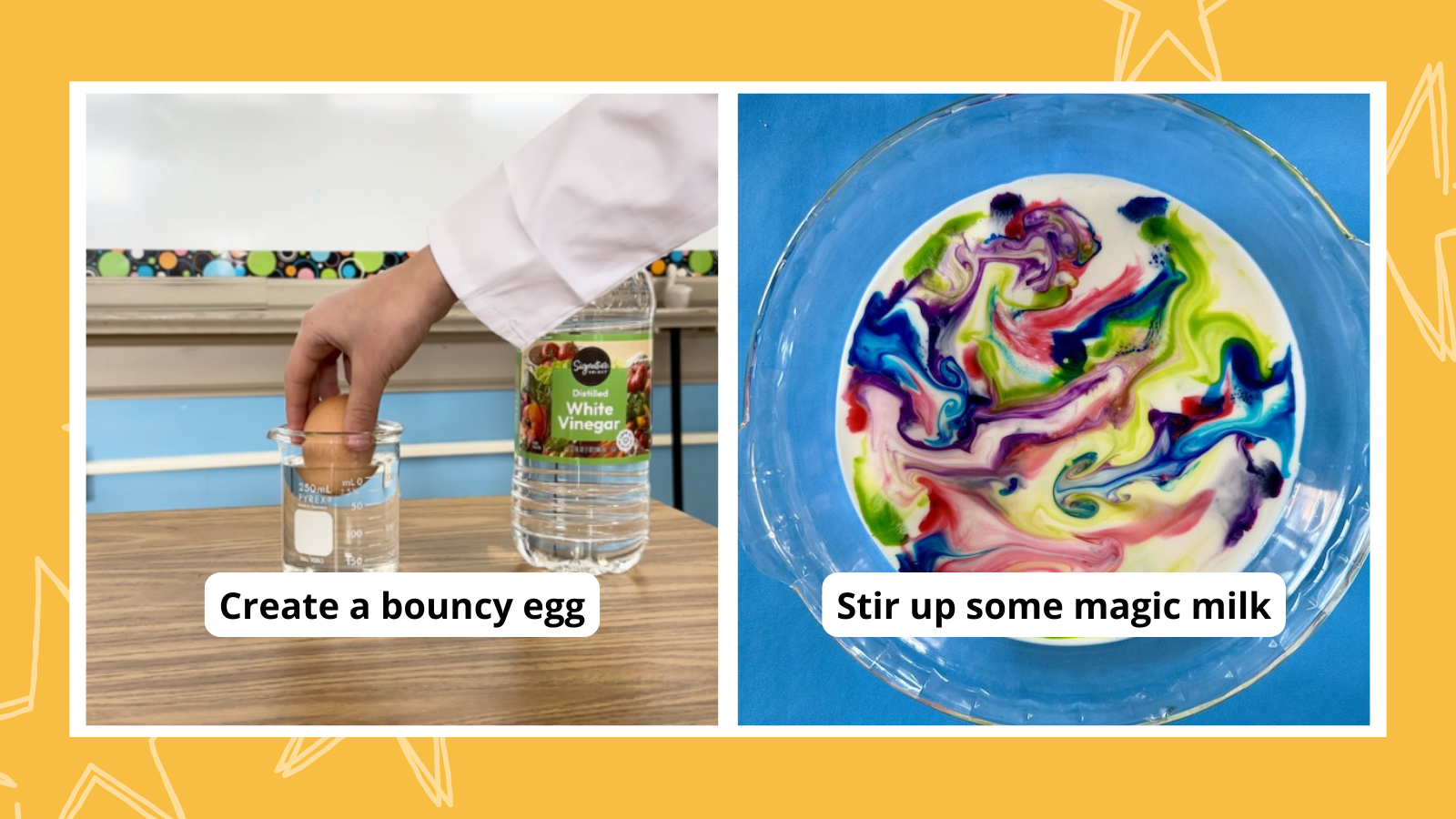
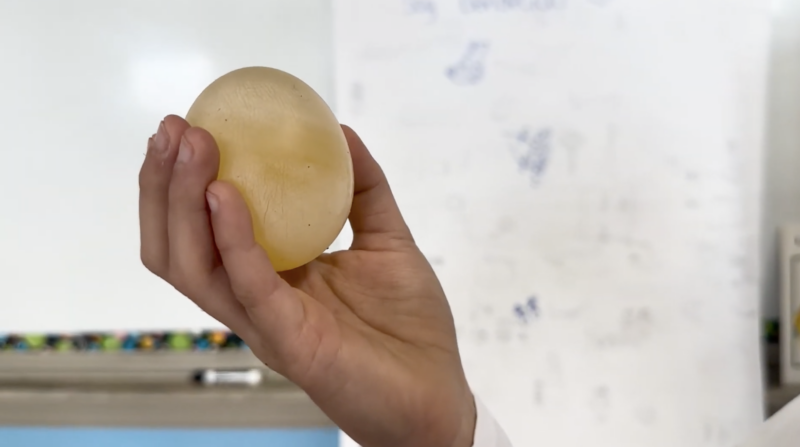
23. Make a bouncy egg
- Difficulty: Medium
- Materials: Basic
- Materials Needed: Egg, vinegar, container
Students soak an egg in vinegar and observe the shell dissolve. The egg becomes rubbery, showing how chemical reactions can change materials. Have students gently compare the egg before and after soaking to identify evidence of a chemical change.
Learn more: Egg and Vinegar Experiment (Guide + Printable Reflection Sheet)
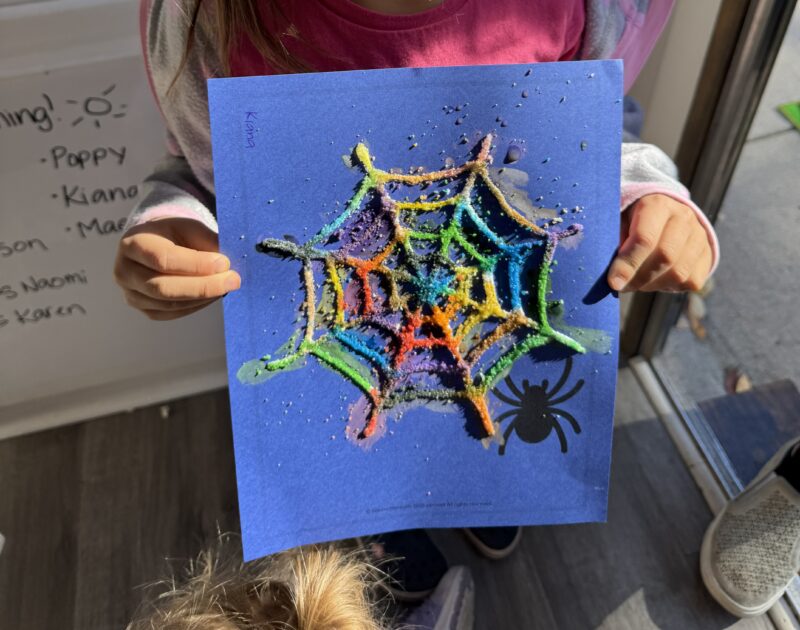
24. Paint with salt
- Difficulty: Easy
- Materials: Basic
- Materials Needed: Salt, watercolors or liquid watercolors, paper
Students sprinkle salt onto wet paint and watch the colors spread and change shape. They observe how salt absorbs water and pulls color outward, showing how materials interact with liquids. Students can compare fine salt and coarse salt to see which creates the strongest effect.
Learn more: How To Create a Salt Painting (Plus Free Printable Worksheet)
25. Move pom-poms with air pressure
- Difficulty: Easy
- Materials: Basic
- Materials Needed: Pom-poms, straws, tray
Students blow air to move pom-poms and explore air force. They can compare gentle and strong breaths to see how force affects distance and speed.
26. Experiment with wax paper
- Difficulty: Easy
- Materials: Basic
- Materials Needed: Wax paper, crayons, paint
Students explore material properties by comparing how materials react on wax paper. Have students observe whether water, paint, or other liquids bead up, spread out, or slide off the surface.
27. Drop balls to explore gravity
- Difficulty: Easy
- Materials: Basic
- Materials Needed: Balls of different sizes
Students explore gravity by dropping balls and observing how they fall. They can compare balls of different sizes or materials to see what changes and what stays the same.
28. Explore gravity and friction on the playground
- Difficulty: Easy
- Materials: Basic
- Materials Needed: Playground slide, balls or toys
Students observe different objects moving down playground slides to explore gravity and friction. Have students test different surfaces to see which ones make objects move faster or slower.
29. Test objects’ magnetization
- Difficulty: Easy
- Materials: Medium
- Materials Needed: Magnets, small objects (metal and non-metal)
Students test objects with magnets to explore magnetic attraction. Have students sort the objects into magnetic and nonmagnetic groups, then look for patterns in the materials that magnets attract.
30. See sound waves in action
- Difficulty: Easy
- Materials: Medium
- Materials Needed: Slinky, tuning fork, confetti
Children watch vibrations move objects. Students explore sound waves and can compare quiet and loud sounds to see which creates stronger movement.
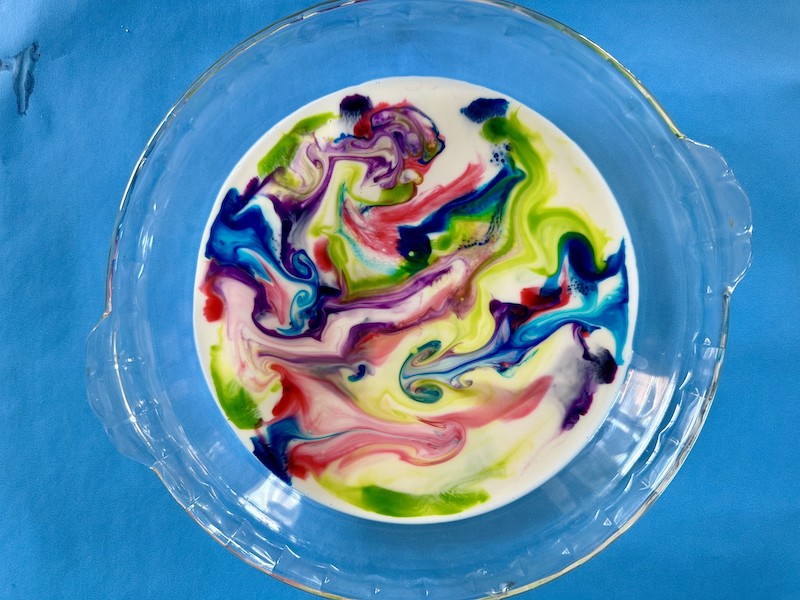
31. Make magic milk
- Difficulty: Easy
- Materials: Basic
- Materials Needed: Milk, food coloring, dish soap, shallow dish
Students drip food coloring into milk and touch it with soapy cotton swabs. Colors swirl and move quickly, helping students see how soap reacts with milk fat to create motion. Have students try different types of milk to compare how the colors move.
Learn more: Magic Milk Experiment (Guide + Printable Reflection Sheet)
32. Make a balance scale
- Difficulty: Easy
- Materials: Basic
- Materials Needed: Plastic hanger, cups, string, small objects
Children compare weights using a homemade scale. Students explore balance and weight.
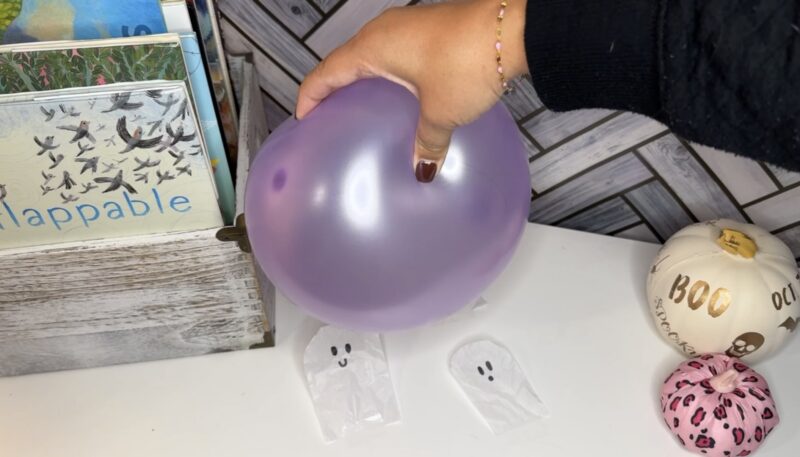
33. Explore static electricity
- Difficulty: Easy
- Materials: Basic
- Materials Needed: Balloons, tissue paper
Students explore static electricity by rubbing balloons and watching how they make cut-out paper images stand up. Students can test different paper sizes or balloon materials to see which creates the strongest effect.
34. Explore density with floating eggs
- Difficulty: Easy
- Materials: Basic
- Materials Needed: Eggs, water, salt, clear cups
Students explore density by observing how eggs float differently in salt water than fresh water. Students can add salt slowly and observe how the egg’s position changes as the water becomes denser.
Earth and Space Science Activities
35. Make shaving cream rain clouds

- Difficulty: Easy
- Materials: Basic
- Materials Needed: Clear jar, water, shaving cream, food coloring
Children create a cloud using shaving cream and add colored water. Students explore how clouds become full and release rain. Have students count how many drops it takes before the colored water falls through like rain.
36. Make artificial snow
- Difficulty: Easy
- Materials: Basic
- Materials Needed: Baking soda, shaving cream, bowl
Children mix ingredients to make pretend snow. Students explore how snow feels and learn that snow is frozen water. Have students describe the pretend snow’s texture, temperature, and appearance, then compare it to real snow if available.
37. Measure the water content of snow
- Difficulty: Easy
- Materials: Basic
- Materials Needed: Snow, clear container, ruler
Children melt snow and measure the water left behind. Students learn that snow and rain contain different amounts of water. Students can compare a full cup of snow with the amount of liquid water left after it melts.
38. Launch plastic egg rockets
- Difficulty: Easy
- Materials: Medium
- Materials Needed: Plastic eggs, Alka-Seltzer tablets, water, safety goggles
Children launch egg rockets using a fizzy reaction. Students explore motion, force, and basic space concepts. Have students observe how gas builds up and pushes the rocket upward when the pressure is released.
39. Explore shadows with sunlight
- Difficulty: Easy
- Materials: Basic
- Materials Needed: Small objects, paper, pencil, sunlight
Students explore how the sun’s position changes shadows by tracing shadows on the ground at different times of day. Students can compare the length and direction of their shadows in the morning, midday, and afternoon.
40. Predict and observe what melts in the sun
- Difficulty: Easy
- Materials: Basic
- Materials Needed: Muffin tin, ice, chocolate, crayons, sunlight
Students predict which objects will melt in the sun, exploring heat and temperature. Have students place items such as ice, chocolate, crayons, and butter in sunlight to compare how quickly they change.
41. Make an ocean in a bottle

- Difficulty: Medium
- Materials: Basic
- Materials Needed: Clear bottle, water, oil, food coloring
Children shake a bottle to create waves. Students explore oceans, waves, and how liquids move. They can shake the bottle gently and strongly to see how force changes the size and speed of the waves.
42. Turn white flowers into a rainbow of colors
- Difficulty: Easy
- Materials: Basic
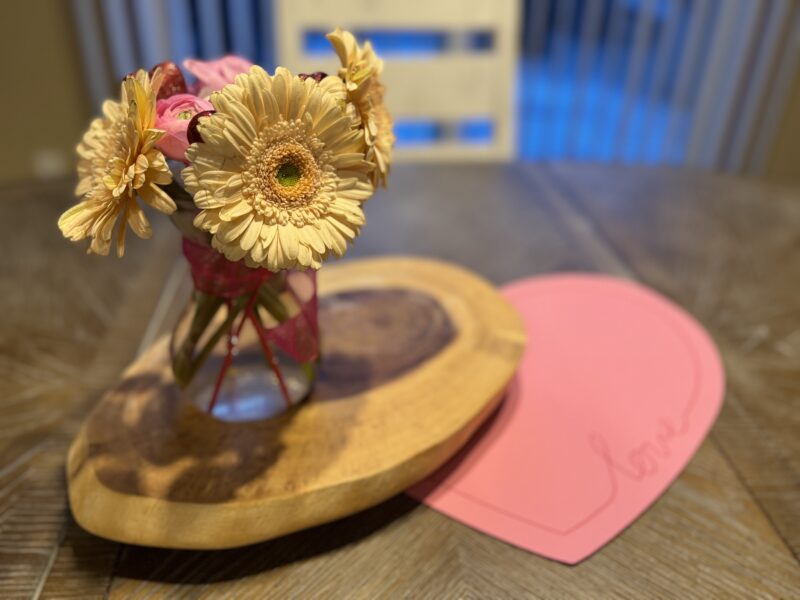
- Materials Needed: White flowers, food coloring, water, cups
Add food coloring to water and place white flowers in it. Students observe capillary action in plants. As the petals change color, students can see how water travels up the stem and through the flower.
Fun Experiments
43. Dissolve colorful turkey feathers
- Difficulty: Easy
- Materials: Basic
- Materials Needed: Baking soda, vinegar, food coloring, tray
Children build a turkey shape using baking soda and add vinegar. Students observe fizzing reactions and dissolving materials. Have students watch for bubbles as evidence that a gas is being produced.
44. Make a volcano erupt
- Difficulty: Medium
- Materials: Medium
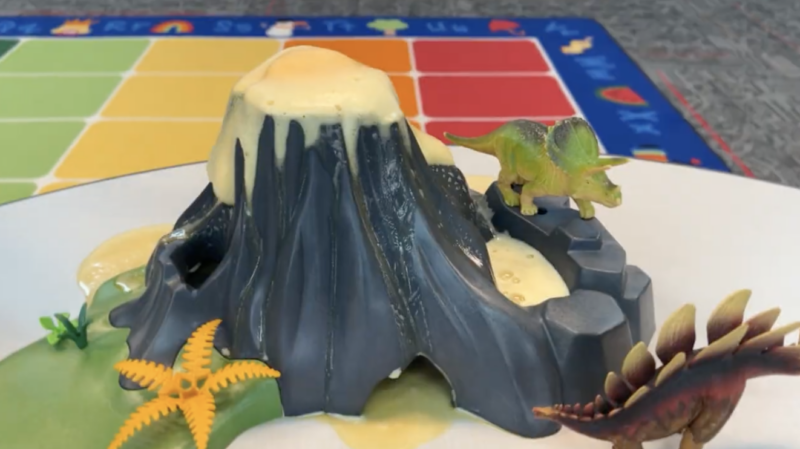
- Materials Needed: Baking soda, vinegar, clay or papier-mâché, tray
Construct a volcano and simulate an eruption. Students explore chemical reactions and Earth processes. As the “lava” bubbles out, students can observe how gas formation creates pressure and movement.
Learn more: Baking Soda Volcano (Guide + Printable Reflection Sheet)
45. Grow crystals
- Difficulty: Easy
- Materials: Basic
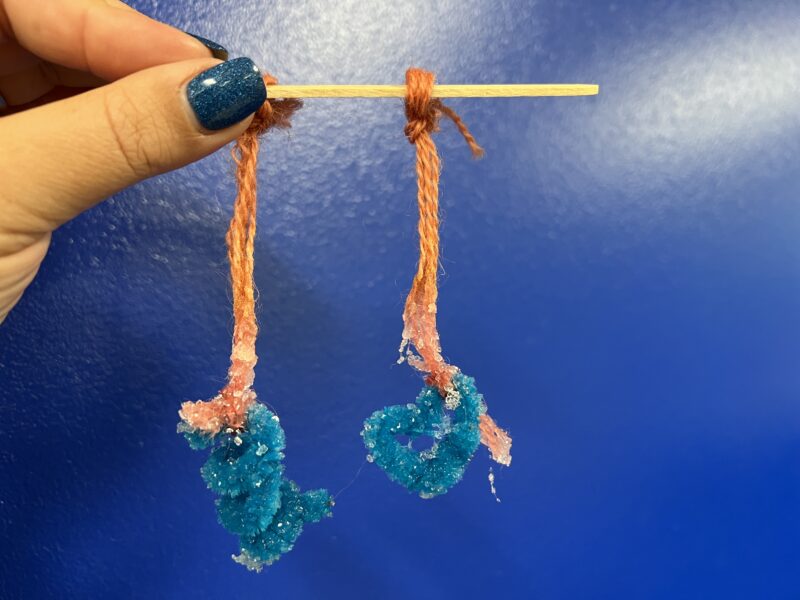
- Materials Needed: Ice cubes, salt, string, water
Children grow ice crystals on a string. Students explore freezing and changes in water. They can observe the string over time and compare how crystals form in different temperatures.
46. Make sidewalk chalk paint
- Difficulty: Medium
- Materials: Medium
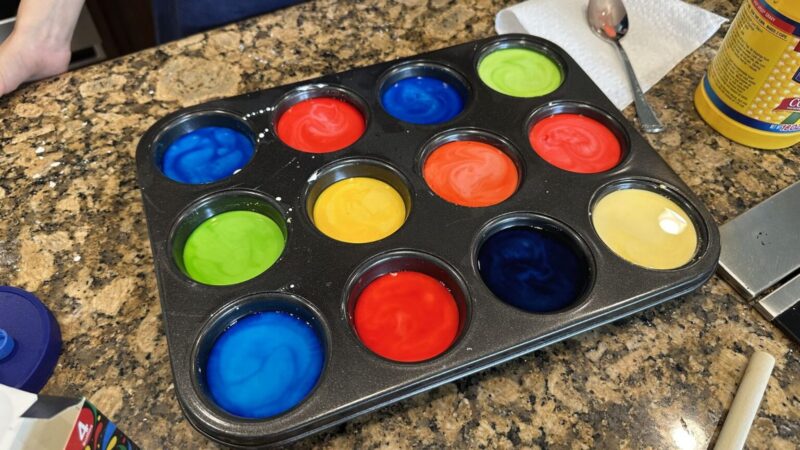
- Materials Needed: Cornstarch, water, food coloring, cups, paintbrushes
Create colorful chalk paint and explore pigments and texture. Students connect art and science. Have students compare how the paint looks when wet versus dry and how texture changes on different surfaces.
Learn more: Learn How To Make Sidewalk Chalk Paint (Plus Free Printable)
47. Make sound with popcorn kernels
- Difficulty: Medium
- Materials: Medium
- Materials Needed: Popcorn kernels, bowl, speaker
Popcorn kernels move as sound plays. Students explore vibrations and sound energy. Have students test different volumes to see how louder and softer sounds affect the kernels’ movement.
48. Create rainbows out of candy
- Difficulty: Easy
- Materials: Basic
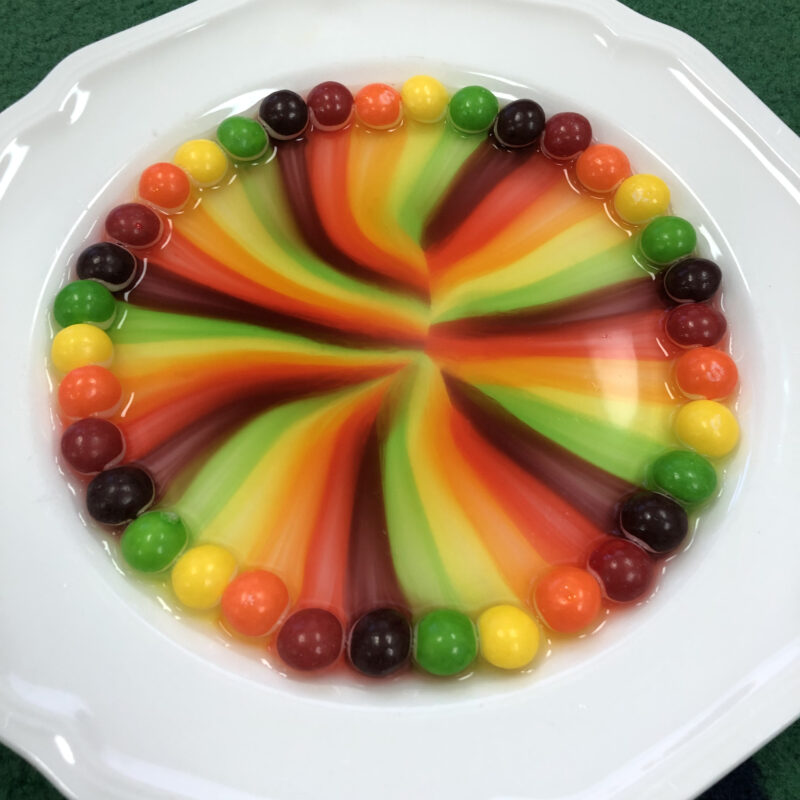
- Materials Needed: Skittles, hot water, plate
Pour hot water onto Skittles to dissolve the sugar coating and create a rainbow diffusion effect. Students explore solubility and diffusion. As the colors spread through the water, students can observe how dissolved particles move from one area to another.
Learn more: Skittles Rainbow Experiment: How-To Plus Free Worksheet
49. Explore states of matter
- Difficulty: Easy
- Materials: Basic
- Materials Needed: Water, cornstarch, food coloring, bowl, spoon, measuring cup
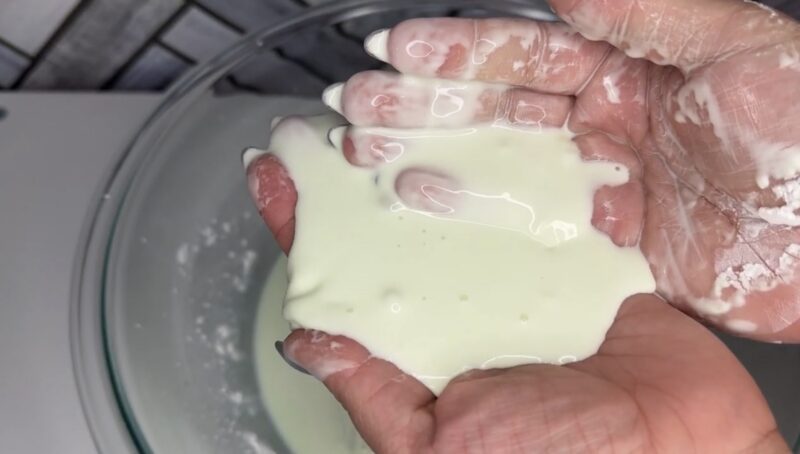
Create a simple mixture of water and cornstarch to make Oobleck. Have students test how its materials can react under different stress conditions. Because Oobleck doesn’t follow the usual rules of liquids, it can be a lot of fun for your class to experience this anomaly.
Learn more: How To Make Oobleck (Free Printable Worksheet)
50. Mix up a batch of elephant toothpaste
- Difficulty: Medium
- Materials: Medium
- Materials Needed: Hydrogen peroxide, yeast, dish soap, food coloring, container
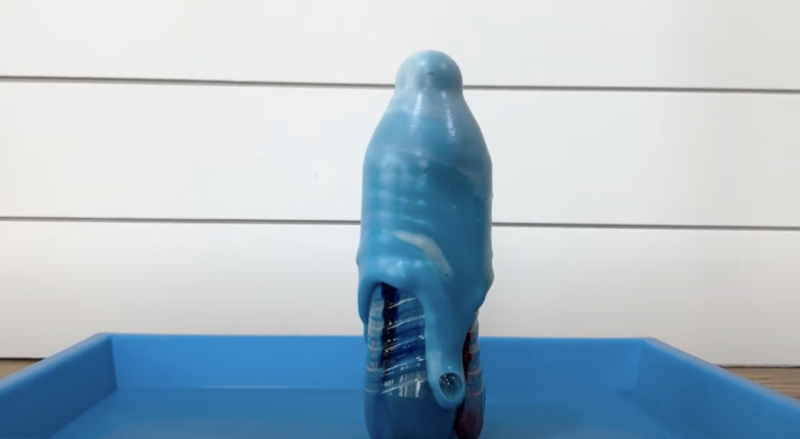
Create a foamy reaction using hydrogen peroxide and yeast. Students explore chemical reactions and catalysts. Students can watch the foam grow as oxygen gas is released during the reaction.
Learn more: Elephant Toothpaste (Guide + Printable Reflection Sheet)
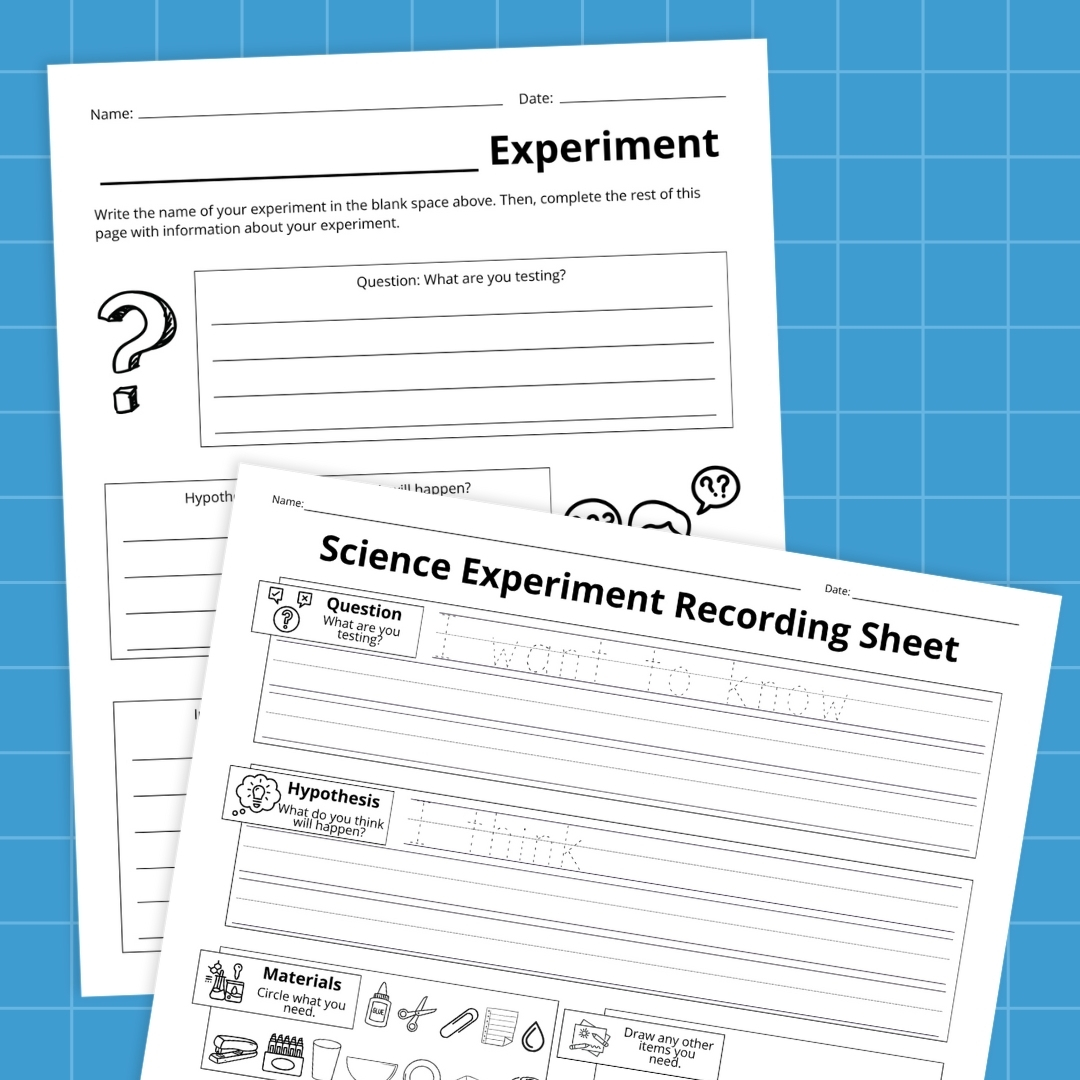
Get your free printable science experiment recording sheet!
Download your free experiment recording sheets to help your class master the scientific method! Just click on the link below and fill out the form to get yours.
