

We all know that even the youngest kids can use their fingers to swipe on a tablet, but do we know if they are developing more complex fine motor skills that will serve them for the rest of their lives? Fully developed fine motor skills are necessary for everyday living, yet recent research from Early Childhood Research Quarterly shows they are increasingly overlooked in today’s digital age. The most effective way for children to practice fine motor skills is hands-on and completely screen-free. Check out our list of the best fine motor activities to help young learners fine-tune their skills!
Jump to:
Why are fine motor skills important?
Essentially, fine motor skills involve precise, coordinated movements of the hands and fingers. These muscle movements often work in tandem with the eyes. Fine motor skills are required for handwriting, tying shoes, buttoning shirts, eating with silverware, and brushing teeth. The development of these skills begins at birth and continues to develop over the course of childhood if children are given age-appropriate opportunities to master these skills.
Recent research published in the Journal of Experimental Child Psychology shows how fine motor skills become even more important as kids start school, since classroom tasks often include writing, cutting, and basic self-care. Many fine motor tasks are also dependent on a student’s hand-eye coordination. Bilateral coordination and balance are further examples of fine motor skills that require practice.
Fine Motor Activities for Toddlers and Preschoolers
1. Tweezer Poms
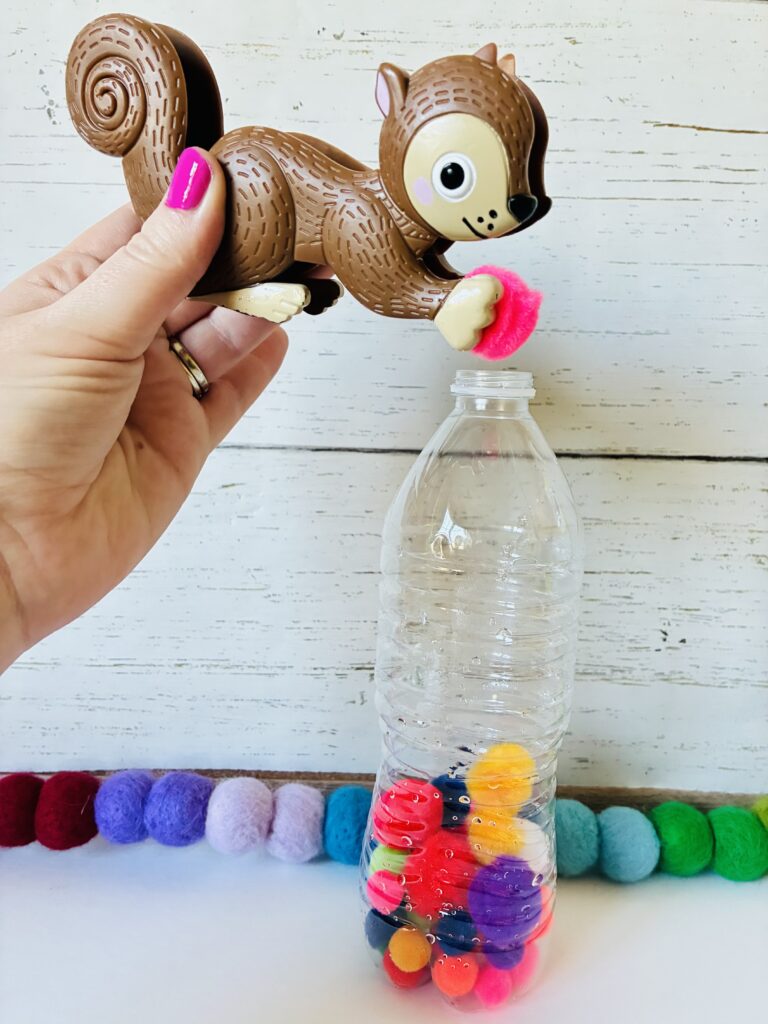
Show students how to fill a plastic water bottle with pom-poms using tweezers or their fingers. This activity works on bilateral coordination because kids will have to hold the bottle with one hand while stuffing the pom-poms in with the other.
2. Freeze Drops
Grab a cup of warm water and a couple of “eyedropper” pipettes. Provide students with ice cubes to melt with little drops of warm water. This works on kids’ pincer grasp and hand-eye coordination. It’s even more fun if you freeze little toys or letters inside the ice cubes beforehand!
3. Build a Bridge
Give students an assortment of Popsicle sticks and clothespins. Challenge them to build a small bridge that can hold a small toy up off the table. Let them experiment with different ways of arranging the building materials.
4. Edible Sculptures
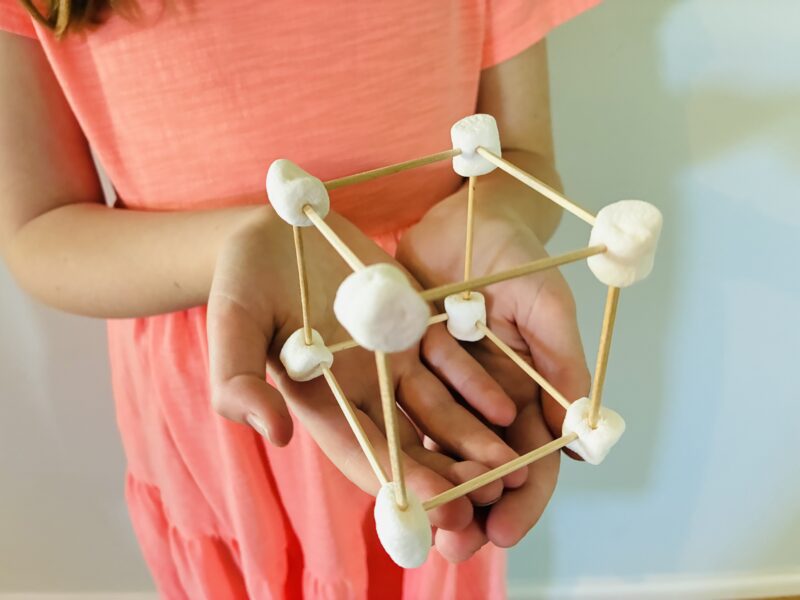
During snack time, provide children with grapes or marshmallows and countless toothpicks. Encourage them to gently build toothpick sculptures by poking the toothpicks into their snacks to build 3D shapes.
5. Glue Paint
Mix washable paint into a bottle of glue to color it. Allow students to squeeze the glue bottle to “paint” with it. Don’t worry too much about the mess and “glue puddles” for young children. They need to experience using glue and to build up their hand strength before they can use it in a controlled way. Using it as paint to start out with provides a great first-time exposure to glue bottles and encourages them to practice their fine motor skills! For older children, encourage them to make controlled zigzags, lines, and dots of glue on their paper.
6. Office Art
Tape, staplers, hole punches—you name it. With adequate supervision, young students can build their hand strength while exploring these items to create “art” on a piece of construction paper. Young learners love to use what they see adults use, and this is a great way to practice fine motor skills.
7. Popping Bubble Wrap
Provide students with strips of bubble wrap of different sizes and textures. Allow them to pop as many bubbles as they can in one to two minutes. Help them count how many bubbles they popped when the time is up.
8. Tiny Toy Tape Rescue
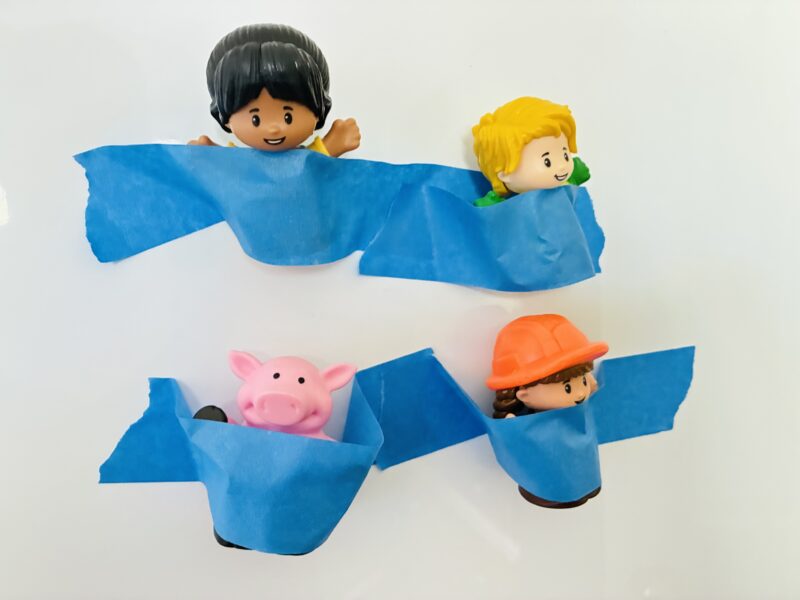
Kids will definitely get a kick out of “freeing” small toys from tape on whatever surface you choose. You can work on hand-eye coordination while also working on color, shape, or object recognition. Pro tip: Painter’s tape provides an easier peel and is safer on furniture and walls.
9. Vertical Sticker Collage
Hang several colorful papers on the wall and encourage children to peel stickers and decorate the papers. Younger preschoolers will love peeling the stickers themselves. The added element of the vertical surface in this activity helps them practice their hand-eye coordination too.
10. Rubber Band Rescue Mission
Another toy-saving mission! Wrap an assortment of small toys in rubber bands. Invite children to “save the toys” by unwrapping the rubber bands to free them.
11. Rainbow Beads
Give children an assortment of colored pipe cleaners and a cup of mixed colored beads. Show them how to string the colored beads onto the same-color pipe cleaner. Challenge them to complete a beaded stem for every color of the rainbow.
12. Play Dough Monsters
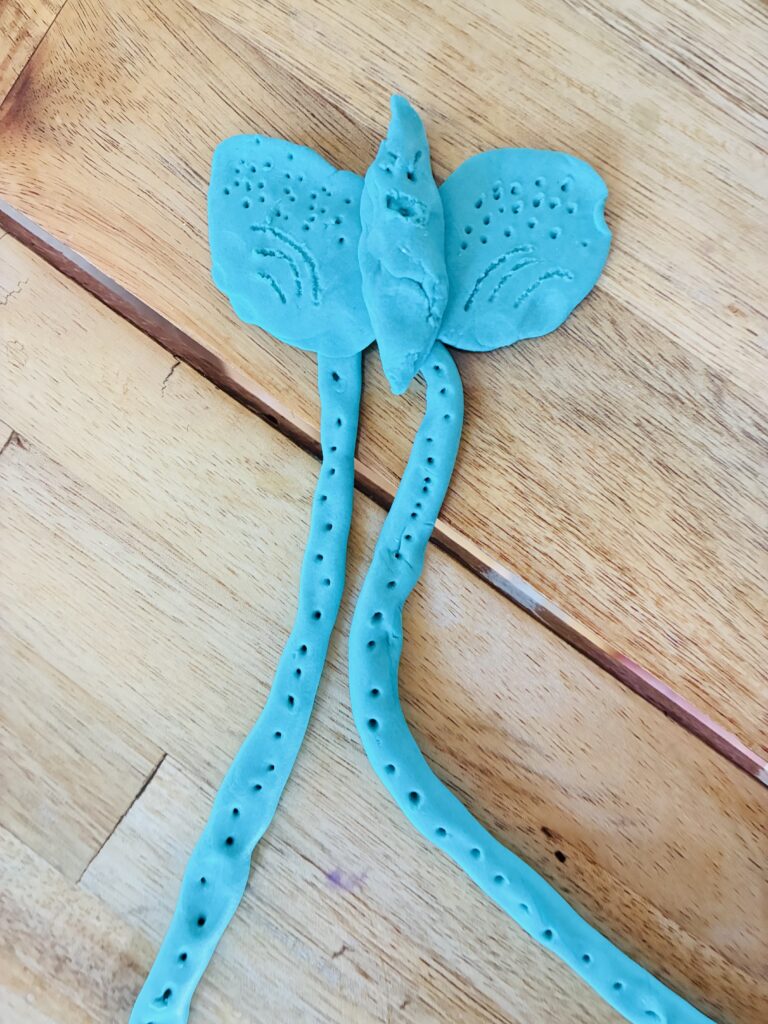
Play dough is one of the easiest ways to practice both fine motor skills and imaginative play at the same time. Encourage children to roll, pinch, and squeeze the play dough to make a “monster.” You can introduce play dough scissors and craft supplies to add more details to their creations.
13. Dazzling Names
Help students write their names in large letters and trace each letter with a thick line of glue. Then allow them to stick mini pom-poms, sequins, or buttons along their letters to decorate their name.
14. Tiny Fences
Push tiny Popsicle sticks into a flat piece of play dough to make a little fence for toy animals. Ask students to count their fence posts when they are finished by pointing to the top of each one. Controlled pointing is a very early fine motor skill!
15. Cotton Swab Paint Mixing
Provide students with a few small puddles of paint in primary colors and a handful of cotton swabs (Q-tips). Invite them to dip the cotton swabs into two colors and mix them together on paper to see what new colors they can create. This simple activity builds fine motor control while giving children a hands-on way to explore color mixing.
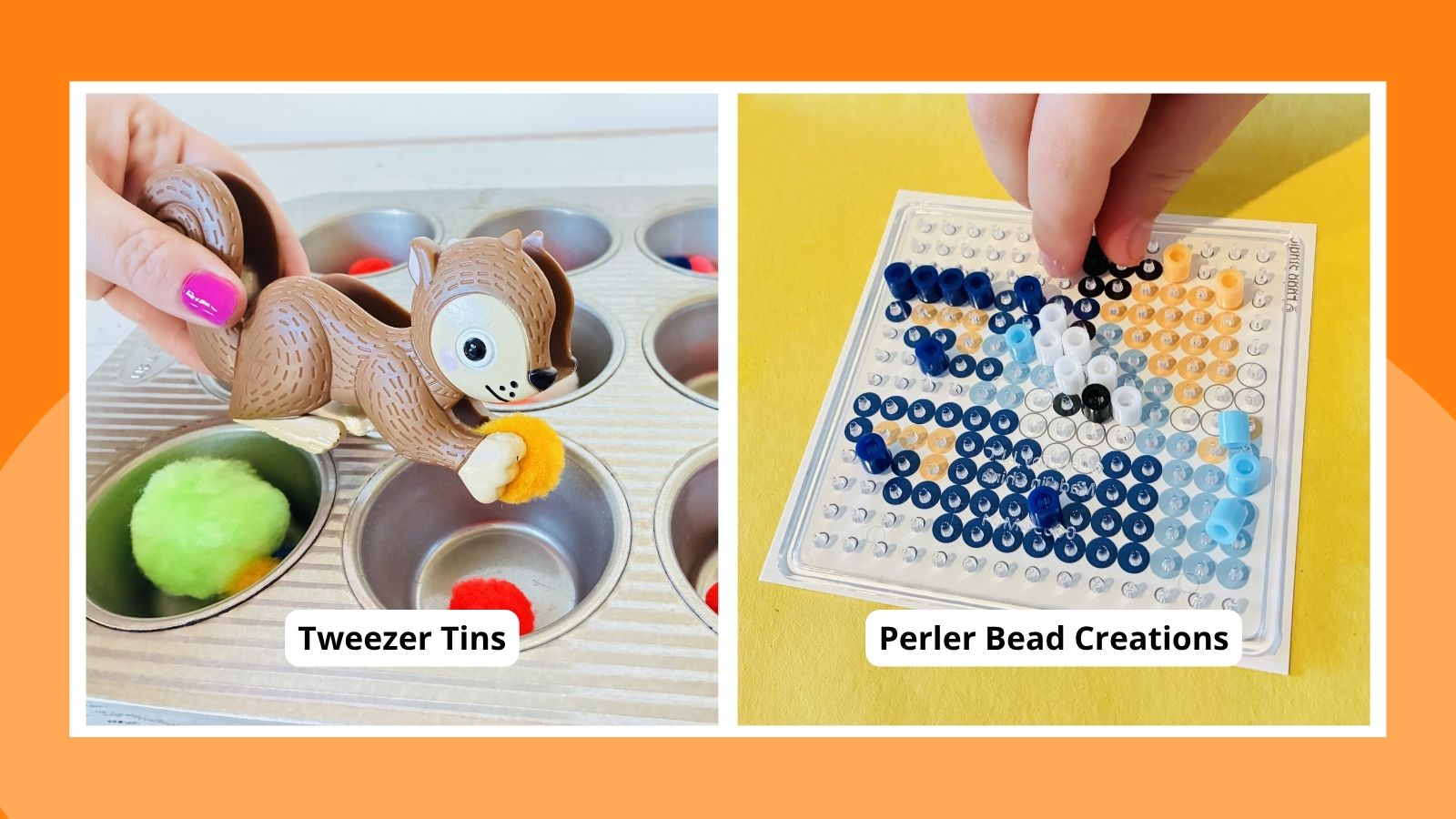
16. Tweezer Tins
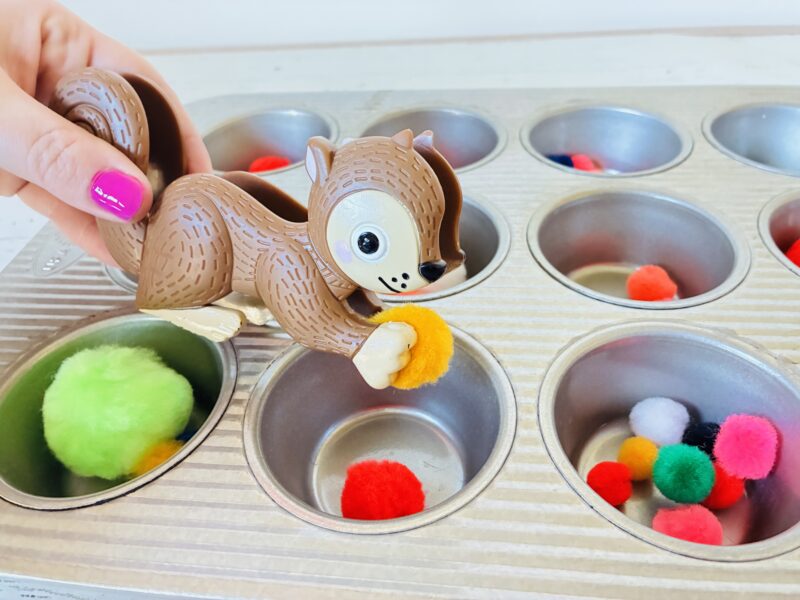
Have students sort mini erasers or pom-poms into muffin tins using kid-safe tweezers. Pinching with tweezers requires a lot of practice, so if mini erasers are too difficult for your students, you can start with cotton balls and work toward smaller items.
17. Pretend Play Clothesline
Set up a pretend-play laundry scene, complete with a “clothesline.” You can do this outside or in the pretend-play center. Show children how to hang up baby doll clothes with clothespins.
18. Peeling Snack
Allow children to use their fine motor skills to build their independence. Show them how to peel their own clementine oranges and arrange them in fun shapes before eating them. The trick here is to get the orange peel started for them and let the kids do the rest!
19. Torn Mosaics
Tearing paper is a precursor skill to cutting with scissors. Give students different colors and thicknesses of paper. Ask them to tear off and crumple little pieces of the papers. Then, have them glue their torn pieces onto a piece of card stock to create a 3D masterpiece.
20. Pegboards
Stretch larger rubber bands or hair elastics between the pegs on pegboards. Teach students to make shapes, lines, and even letters on their pegboards.
21. Hammer Tees
Allow students to hammer golf tees into soft foam, pool noodles, or even pumpkins. Give them child-sized toy hammers and show them how to hold the tee with one hand and hammer with the other hand. This one is perfect for practicing coordination, grip strength, and precision all at the same time!
22. Pebble Path
Create a simple design or many large shapes outside with sidewalk chalk. Explore the outdoors with young children and ask them to collect items to line up on the chalk lines. For example, pebbles, sticks, and leaves. Work together to complete the entire design and cover all of the chalk lines.
Fine Motor Activities for Elementary Students
23. Perler Bead Creations
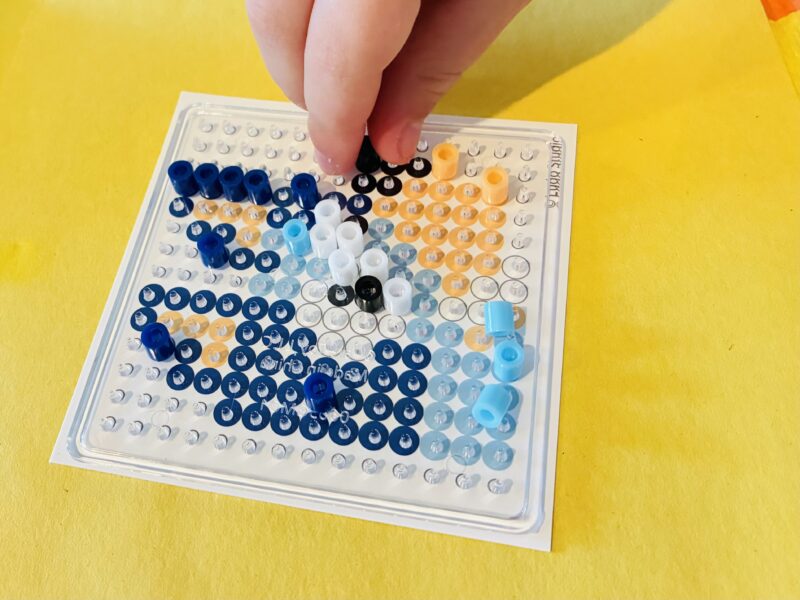
Remember Perler beads, those tiny little beads you arrange on a pegboard and then melt with an iron? These little beads are a great way to practice fine motor skills for older children. Be sure to have adult supervision with the iron!
24. Tape Bookmarks
Give students colored paper and shape punches. Have them punch out a handful of shapes and colors. Then cut two strips of thick clear “packing tape” per student. Place the punched shapes on one of the tape strips and cover it with the other tape strip to create a bookmark. Arranging the shapes and lining up the tape require intricate little finger movements. You can even hole-punch the top of the bookmark and tie a fun ribbon to top off this project!
25. Yarn Wrapping
Provide students with cardboard shapes (hearts or snowflakes, for example) to wrap with yarn. Be sure to cut the middle out of the hearts so students can truly “wrap” the yarn through the shape. Encourage them to wrap the entire shape with yarn so that no cardboard shows through.
26. LEGO Photo Challenge

Encourage students to make a simple LEGO structure or object and take a photo of it. Print out the photos and keep them with the LEGO structures to see if students can re-create each other’s creations. For an added challenge, have them try to beat a timer!
27. Friendship Bracelets
Stringing beads is a great way to practice a pincer grasp as well as tying knots. Kids can make friendship bracelets to trade with their classmates. Older kids can use string and letter beads. For younger kids, you can use pipe cleaners and larger beads.
Roll some dice, then have your students stack small blocks to get to the desired number. Keep adding onto the same tower until it falls over! Stacking small blocks requires precise fine motor skills, so the smaller the blocks, the more challenging this game is.
29. Egg and Spoon Race
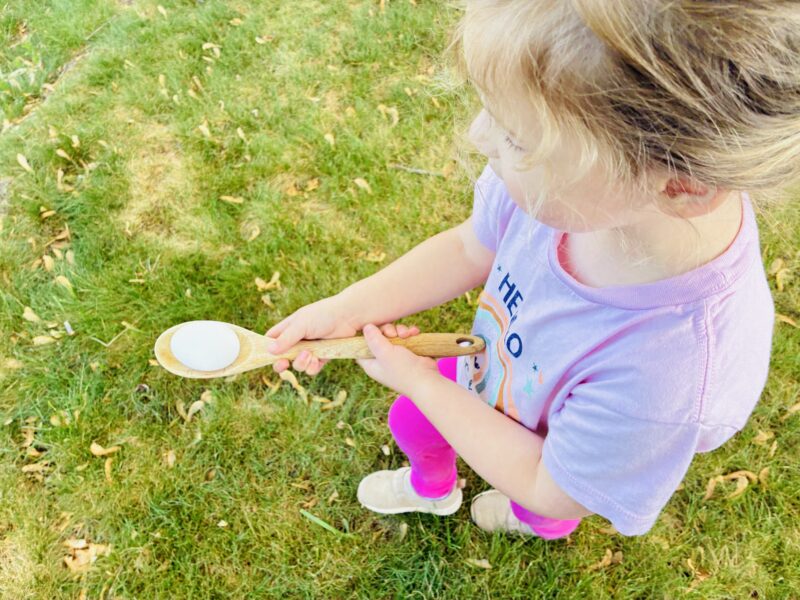
Host an egg and spoon relay race at recess! You can use real or plastic eggs. Have students break into teams and balance an egg on a spoon, then race to the other side and hand the spoon off to their partner. Make it more or less challenging by using different sizes and types of spoons.
30. Window Trace Painting
Tape a medium-level coloring page on the window with a thin sheet of paper over it. Have students trace the coloring page with white crayon. Then, let them paint over it with watercolor to reveal their design. Tracing on a vertical surface helps with bilateral coordination and shoulder strength too, which are also fine motor skills!
31. Color Mixing
Use cups of water dyed in primary colors to make new colors with eyedroppers. You can use liquid watercolors or food coloring to dye the water. Provide students with clear cups of plain water alongside cups of colored water. Then invite them to make a new color by mixing drops of colored water into the clear water.
32. Lacing Notes
Make cute little postcards with your students for their loved ones! Provide students with an index card, postcard, or rectangle of card stock. Show them how to use a hole punch to punch holes all along the edges. Then lace colorful yarn through the holes and help them tie a bow at the end. For younger children, provide the cards with the hole already punched.
33. Bead Press Art
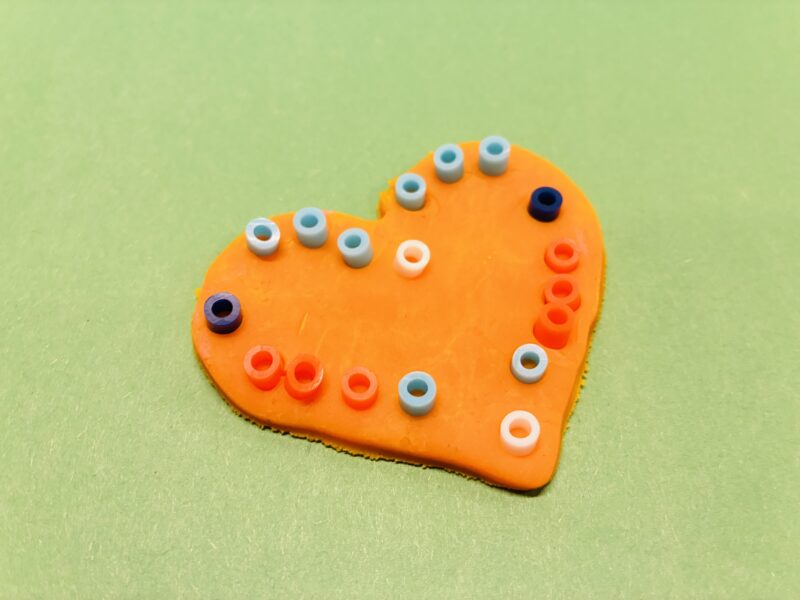
Let students roll play dough or air-dry clay flat and cut out a shape with a cookie cutter. Have them arrange beads, colored pebbles, or buttons on the clay shape to make a beautiful mosaic. Challenge them to cover as much of the clay as possible to really work on those intricate fine motor skills!
34. Jenga Tournament
Have a Jenga tower-building tournament in your classroom. Games like Jenga are a fun and easy way to work on fine motor skills. You can let the winner sign their name on one of the Jenga pieces for bragging rights!
35. Coin Stacking
Give students an assortment of spare change. Challenge them to sort the change by value and makes stacks as tall as they can using only one hand. This is a great way to practice early math skills and precise fine motor movements at the same time.
36. Paper Fortune Tellers
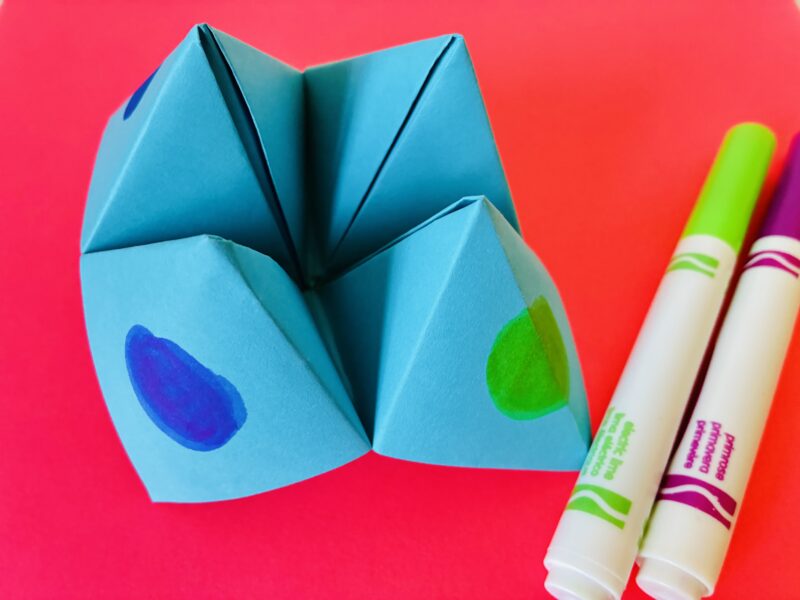
Enjoy a blast from the past and use up all that paper in the recycle bin to practice making paper fortune tellers with your students. All you need is a square sheet of paper and some online instructions for folding the paper. Once kids are good at making them, trade the scrap paper in for colorful origami sheets that they can write their own questions or jokes on.
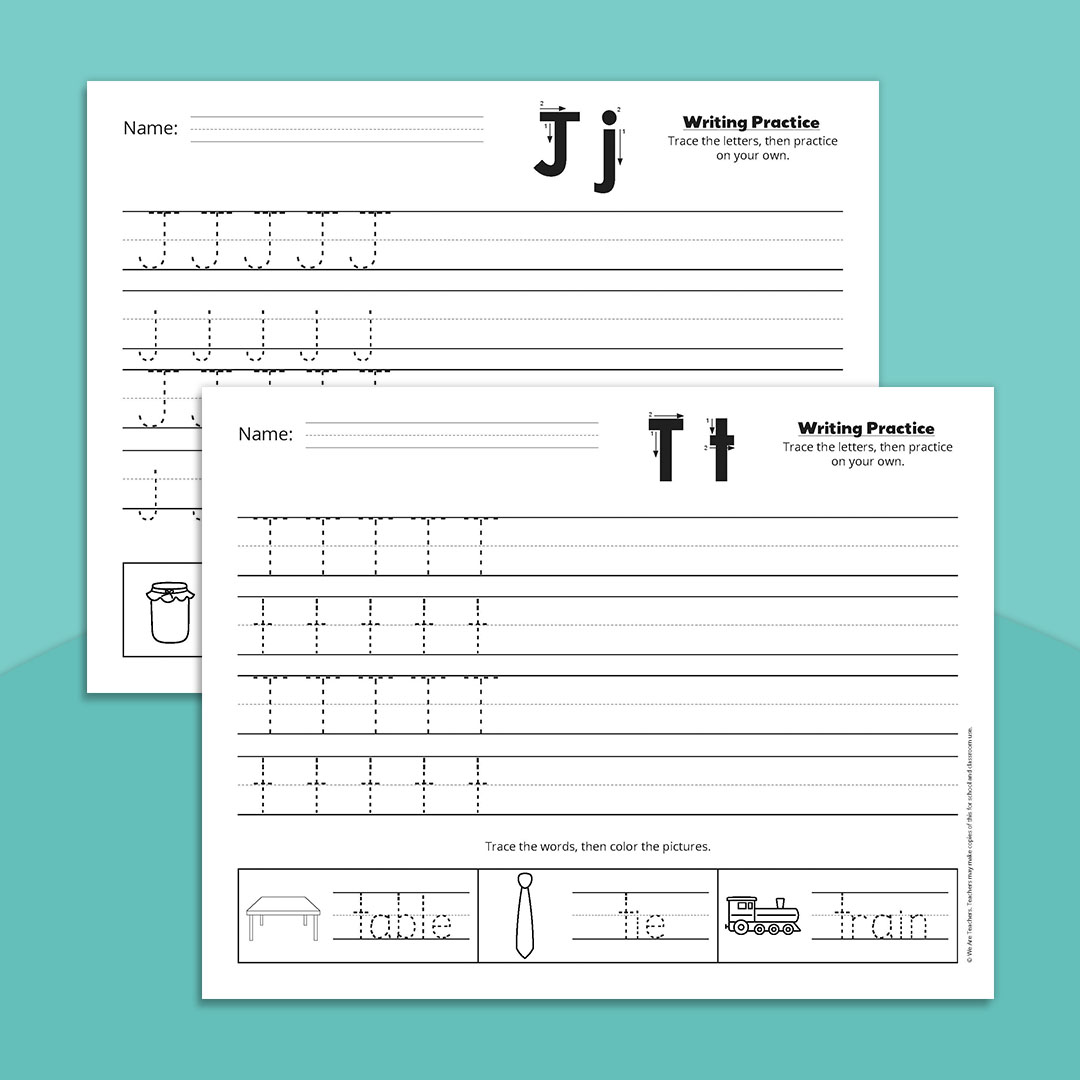
Get your free letter-tracing worksheet bundle!
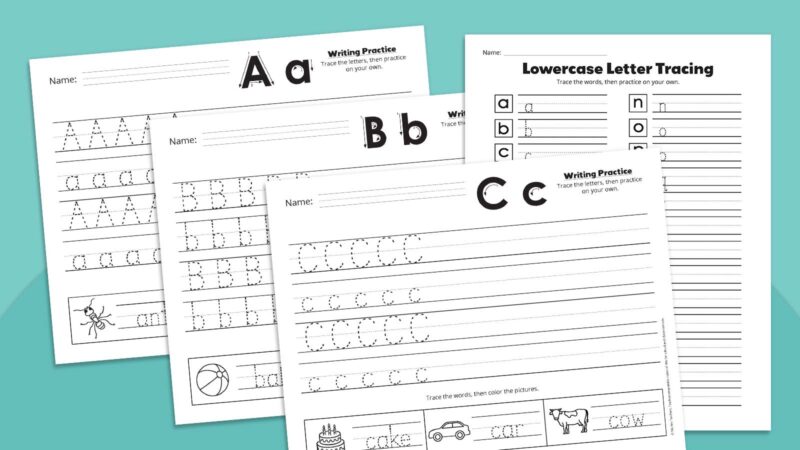
Make handwriting practice simple with uppercase and lowercase letter-tracing worksheets for every letter. Just click on the button below and fill out the form to download your free printables.
