[ad_1]
After 25 years in the classroom, I’ve learned one thing about teaching Dr. Martin Luther King Jr.: By the time students reach junior high or middle school, they’ve heard the “I Have a Dream” speech, seen the photos, and know a few facts. So, what’s a teacher to do?
We go deeper. We get creative. And yes, we keep the kids engaged!
Dr. King was more than a dreamer. He was an action taker. He challenged injustice, organized, sacrificed, led, and inspired people to believe that change was possible. If we want to honor his legacy, our lessons should do more than repeat what students already know.
That’s why I’m sharing 45 ways to teach Martin Luther King Jr. These are ideas I’ve used with my classes, clubs, family, and teacher friends, along with a few I challenge you to try.
Because Dr. King’s legacy deserves more than a worksheet and our students deserve more than the same lesson they’ve heard every January, let’s honor the dream and teach the ACTION behind it!
Jump to:
Elementary School Martin Luther King Jr. Activities
1. Painted poems of peace
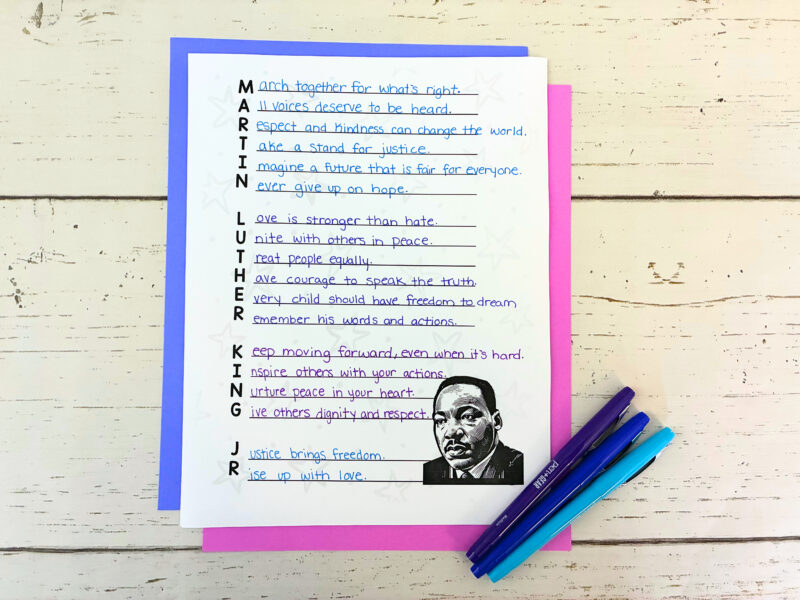
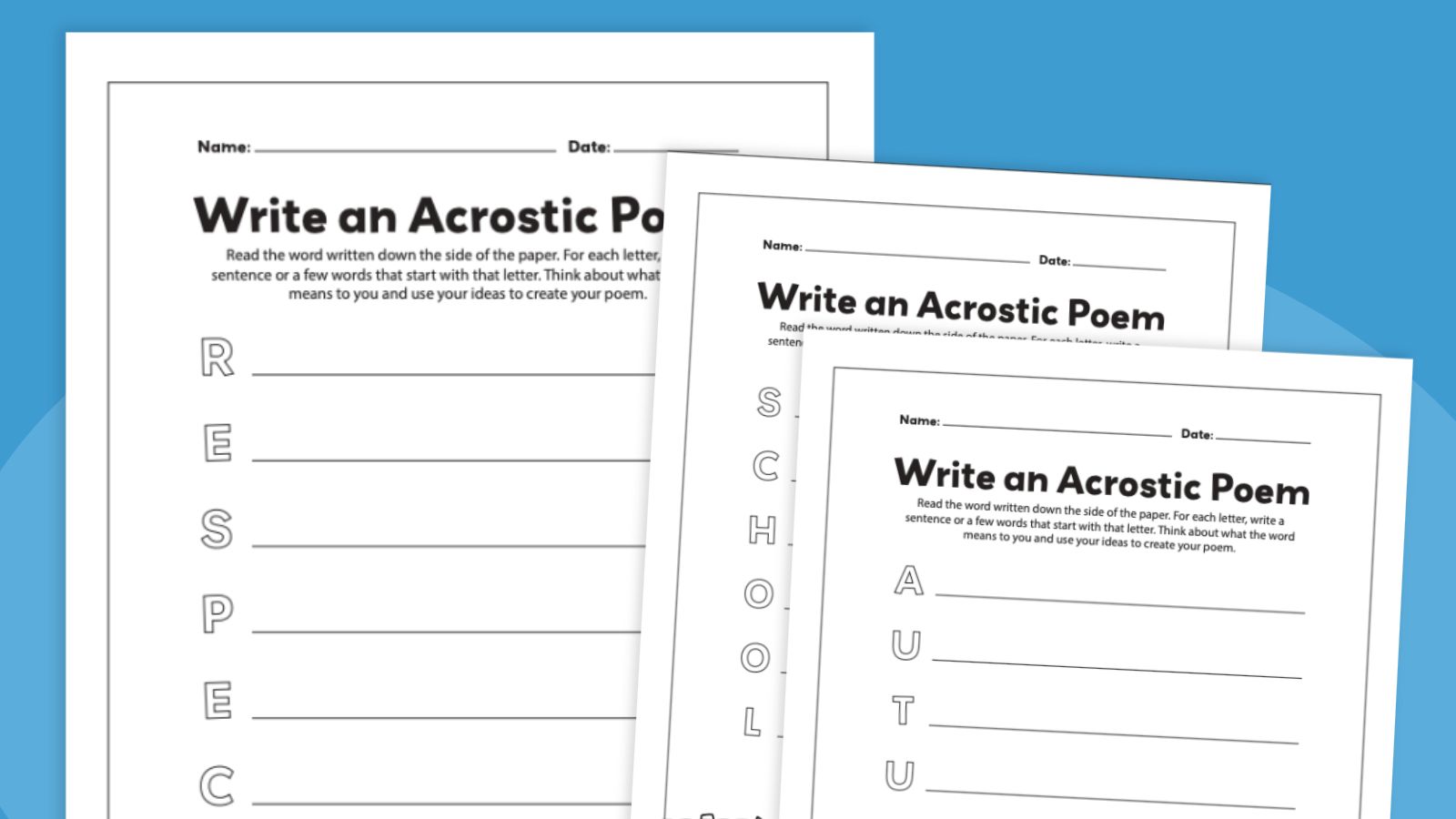
Students write an acrostic poem using “Martin Luther King Jr.” and create art featuring one of his quotes. Even usually quiet kids shine when they pair meaningful words with drawings. Last year a shy student drew doves for the word “peace.” It turns writing into a fun art project that literally makes the words come alive.
2. Dress up like Dr. King and reenact his speech
In my class, I had students gather clothes or props and deliver short excerpts of the “I Have a Dream” speech, focusing on tone and gestures. It was like picture day with a purpose. This active role-play gave them a powerful connection to MLK’s oratory style and helped them own his words.
3. Dream quilt
Each student designs a square about a part of MLK’s dream, then we assemble all the squares into a big class quilt. I let small groups pick a theme for their square, so they take pride in the final product. It became our classroom unity poster; one year even the shyest student told me, “I wanted my square to be perfect for this cause since I wouldn’t be able to go to school with my best friends without the end of segregation.”
4. “Dear Dr. King” letters
We have students write “Dear Dr. King” letters sharing their questions or dreams. I collected and (anonymously) read a few aloud; last year a student asked, “What would you do if your dream faced a setback?” which led to a thoughtful discussion on perseverance. It’s a great way for kids to personally connect with MLK’s values.
5. Invent for justice
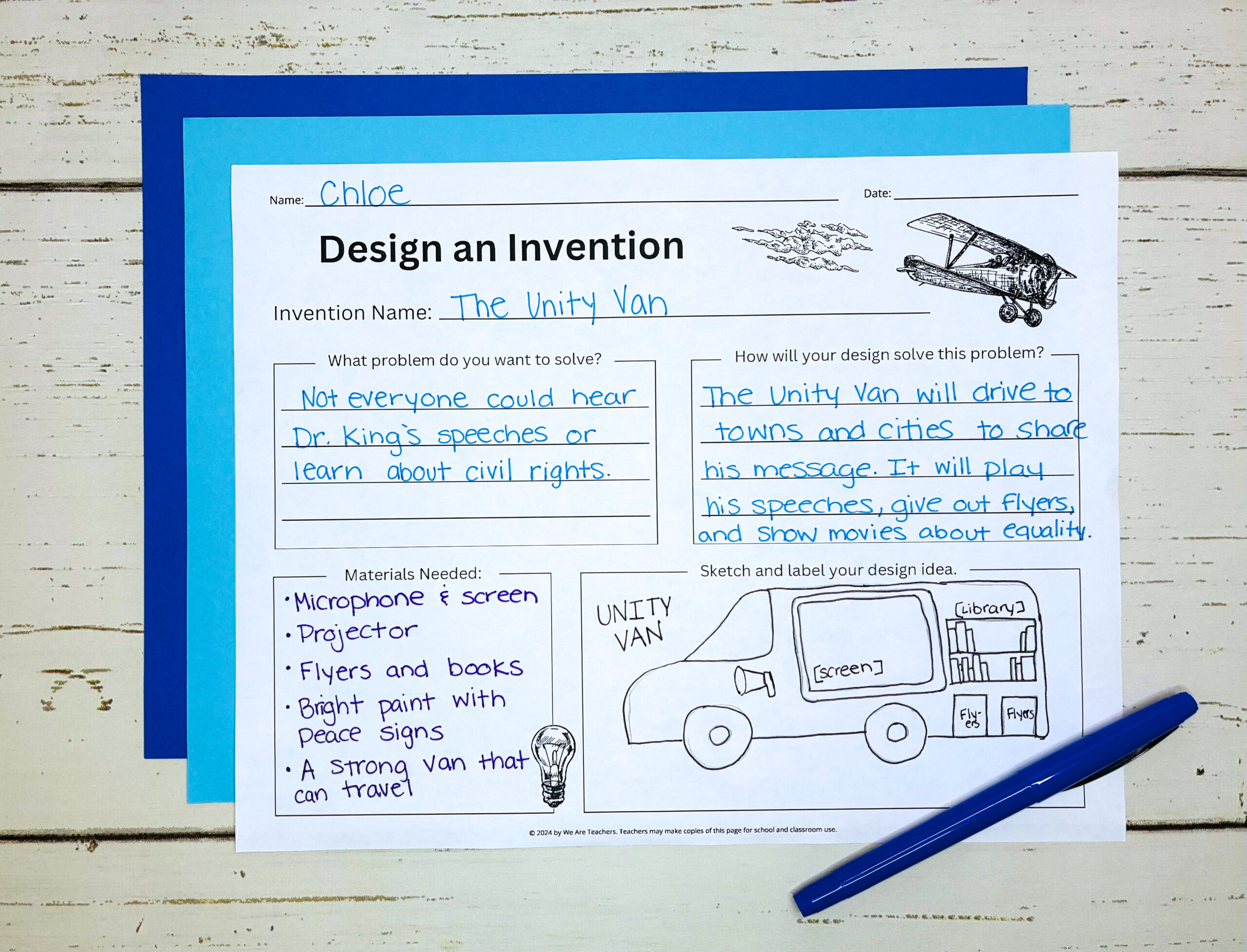
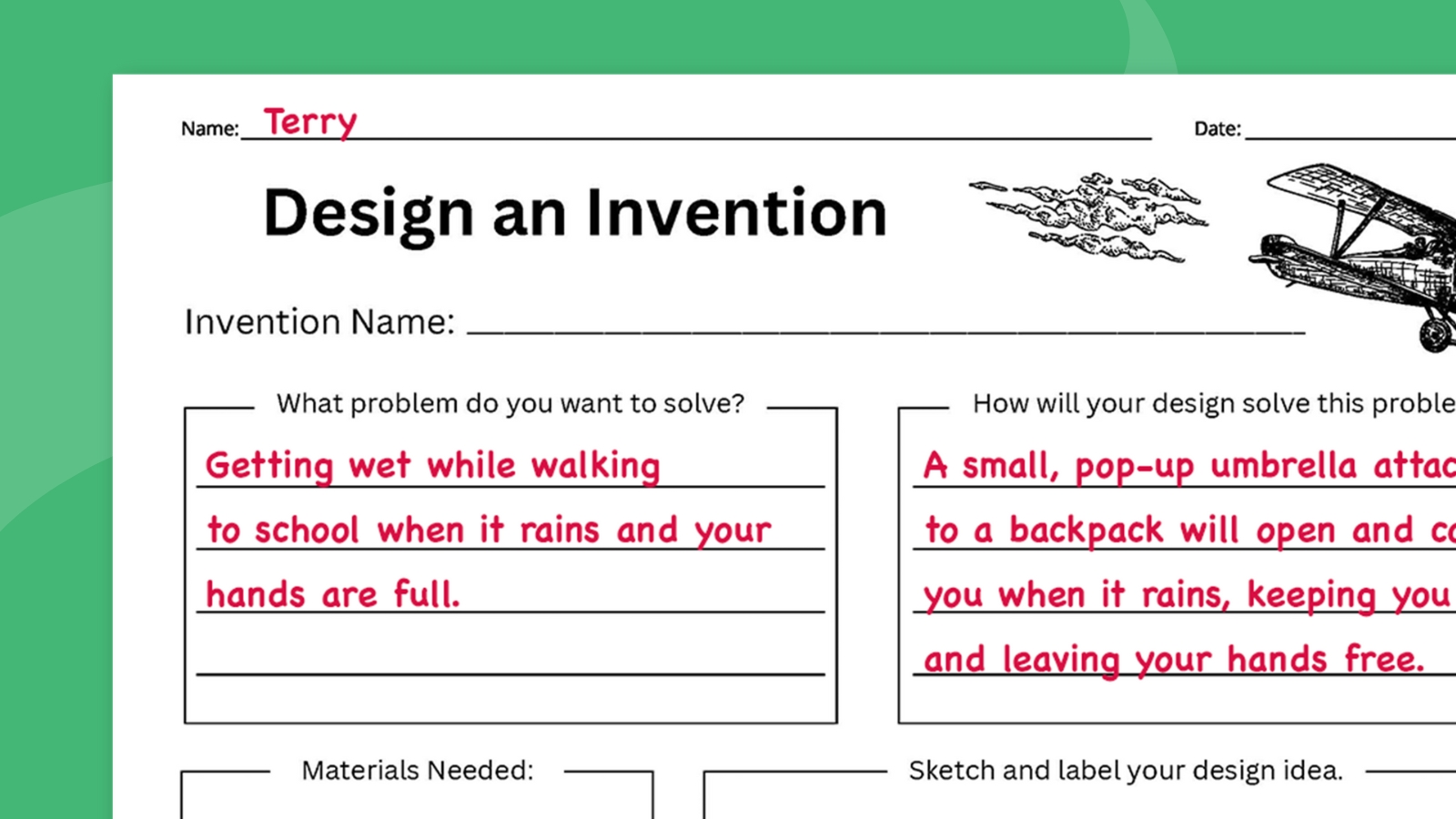
Students brainstorm inventions (like a “peace drone” or “unity app”) that could help MLK share his message today. We sketch their ideas as blueprints. A few years ago, a group made a cardboard “Justice-o-Matic.” And one girl designed an app to broadcast King’s speeches worldwide, showing that creative problem-solving can be an act of justice.
6. King’s quotes mosaic
Students can each pick an MLK quote to illustrate, then you can assemble the drawings into one giant mosaic portrait of Dr. King. You can pair older students with younger buddies so everyone has a role. Your class can take pride in their voices as the final mural goes up, and it can become a school centerpiece of MLK’s words.
7. MLK timeline parade
Students create small floats or dioramas depicting major events in MLK’s life (like the March on Washington or Selma) and parade them around the school. This hands-on project gets everyone moving. My students loved cheering for each float, and one parent said it really brought MLK’s history to life. I think that parent helped their scholar quite a bit with the project.
8. Dream in a diamond
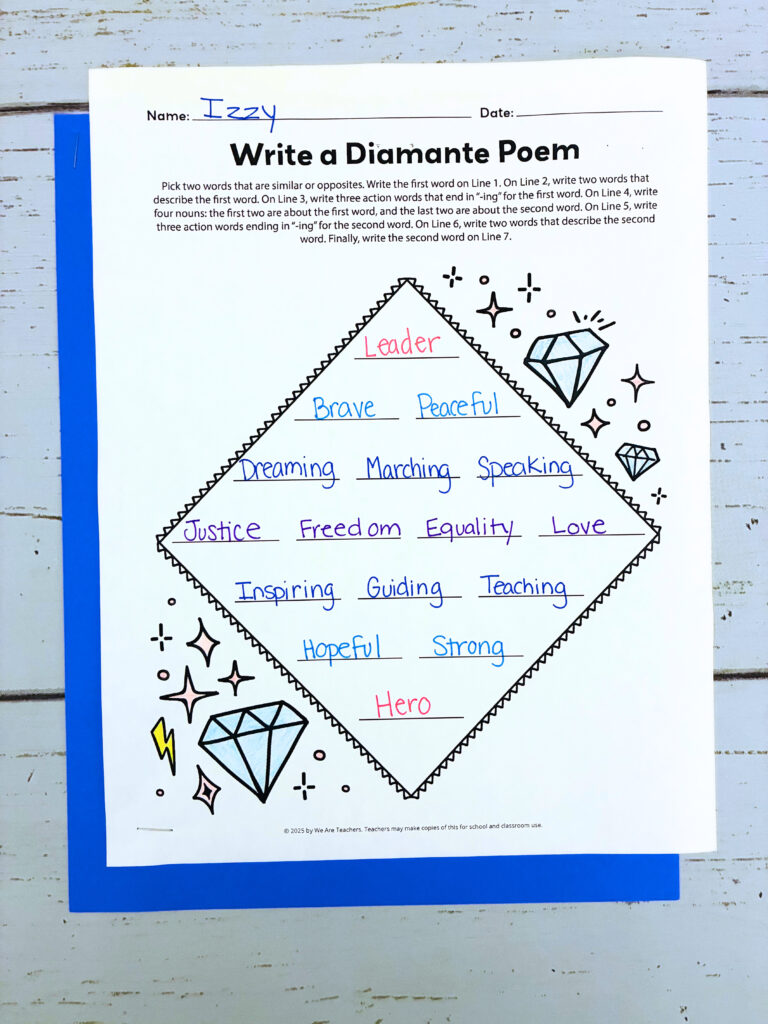
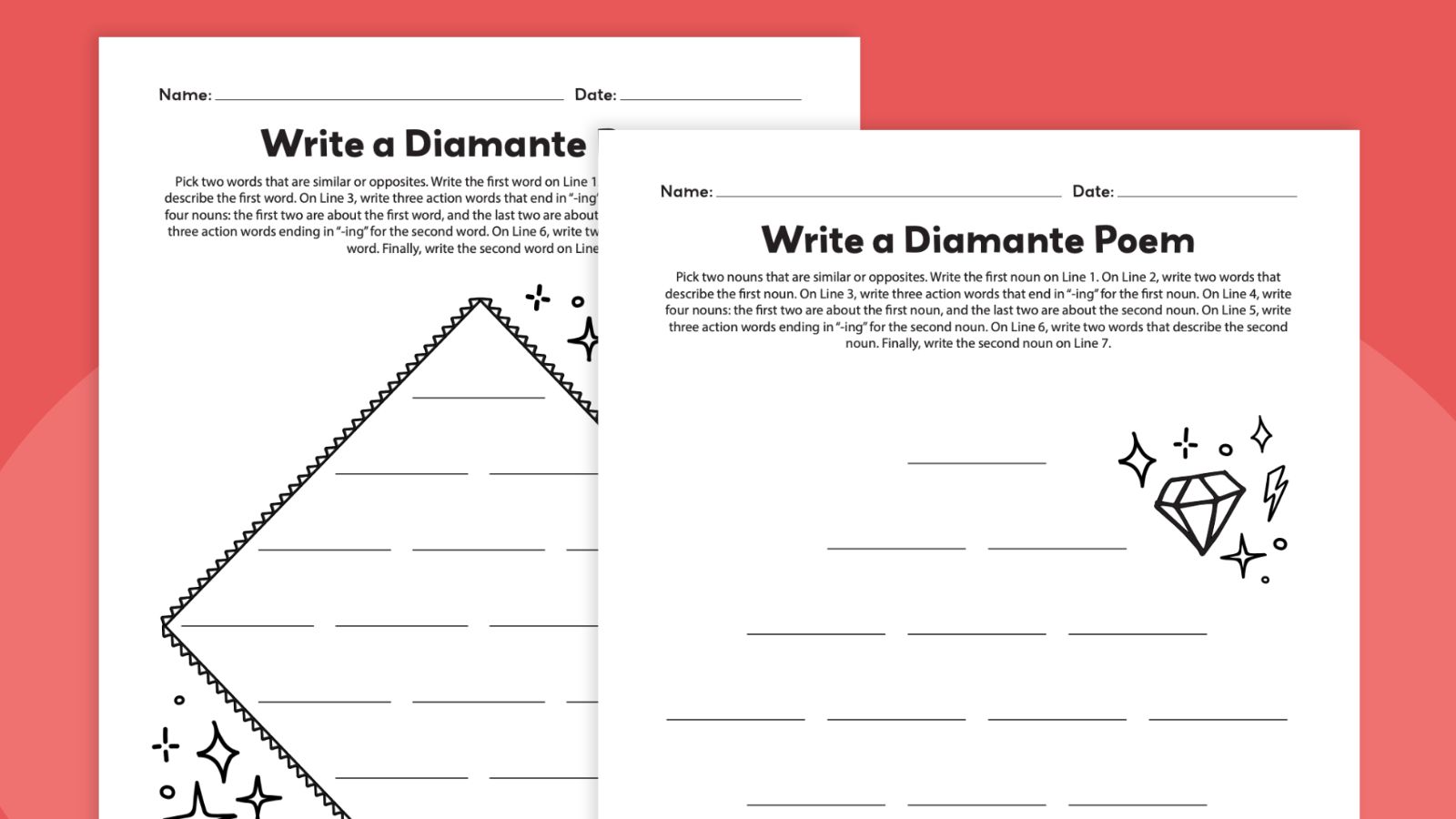
Students create a diamante (diamond-shaped) poem about Dr. King, capturing his essence in just a few lines. We brainstorm together first, listing adjectives like “leader,” “peaceful,” and “inspiring” so no one feels stuck. Even reluctant writers shine, with one student’s poem ending with the word “legend,” which the whole class cheered over. It’s a fun way to distill MLK’s life into powerful words. This was from a class filled with 8th graders who all feel they are the G.O.A.T. so it was a big deal to show honor to a true legend.
9. The dream tree
We display a paper tree and have each student write a personal “dream for a better world” on a leaf to add to it. It becomes a quiet sharing moment. I’ve seen students confide things like “peace for everyone” or “no more bullies.” One year a child quietly wrote, “I dream of a world with no bullying,” and the class offered a big round of snaps like it was poetry. It’s a gentle way to tie personal hopes to MLK’s vision.
10. MLK then and now
Students imagine how a day in MLK’s life would be different now versus in the 1960s. I have them write or draw side-by-side scenes (for example, King giving a speech with a smartphone or posting on social media). It’s a fun conversation: One group pictured King livestreaming his speech. This always sparks a discussion about how technology and society change the way his message spreads.
11. Peace prizes

What’s the math behind the prize? Is there a financial prize? Should there be? How much should it be? Students learn how MLK won the Nobel Peace Prize in 1964 by reading the award criteria and discussing why his work fit it. We compare his award to other laureates (like Malala Yousafzai) to understand what actions merit it. Often kids realize that peacemaking comes in many forms. Then, they ponder how much peace is worth.
12. MLK’s family tree
Students map out MLK’s family tree, including parents, siblings, and children, and research how each person influenced him. I divide the work so one group covers his ancestors and another his descendants. Kids are fascinated to hear that Coretta Scott King continued his work or that MLK’s siblings participated in marches. This shows leaders have families behind them, not just solitary stories.
13. MLK puzzle challenge
Students design a crossword puzzle featuring MLK facts or quotes. Many students do not know the work that goes into creating a factual puzzle until they have to make one. They get to decide what facts stay and which ones are not important. They also get to play with technology to make sure the puzzle works vertically and horizontally. I like to pair them up so that they fill out each other’s puzzles.
14. Design a dream T-shirt
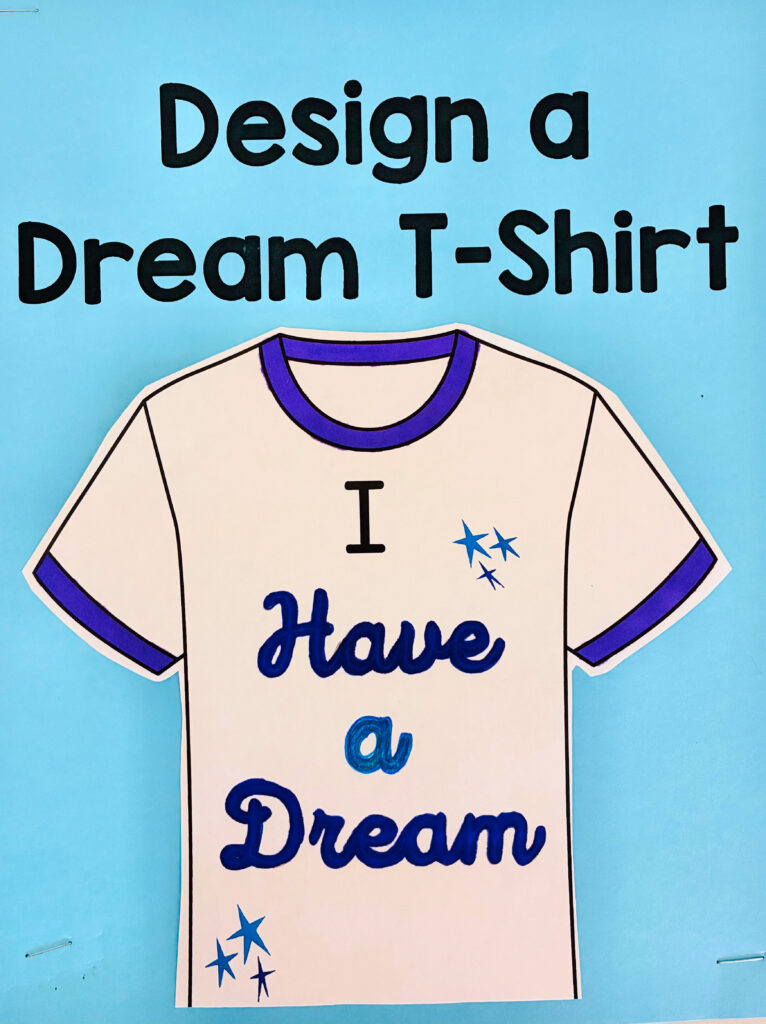
Students choose an MLK quote or theme and create a custom T-shirt design. We sketch on paper (and sometimes iron it onto fabric!) so they can personalize it. Creative students especially shine in this activity, and the class ends up with wearable messages.
15. “Dream friendship” bracelets
Students use letter beads to spell out a dream or positive word and string them with colorful beads. It’s a calming, reflective activity. As they pick beads, I ask why that dream is important to them. They wear one and often swap one with a buddy, symbolizing how shared dreams build friendship. My class always smiles as they help each other spell their hopes into bracelet art. I’ve done this with teacher friends too!
Middle School Martin Luther King Jr. Activities
16. The road to tragedy

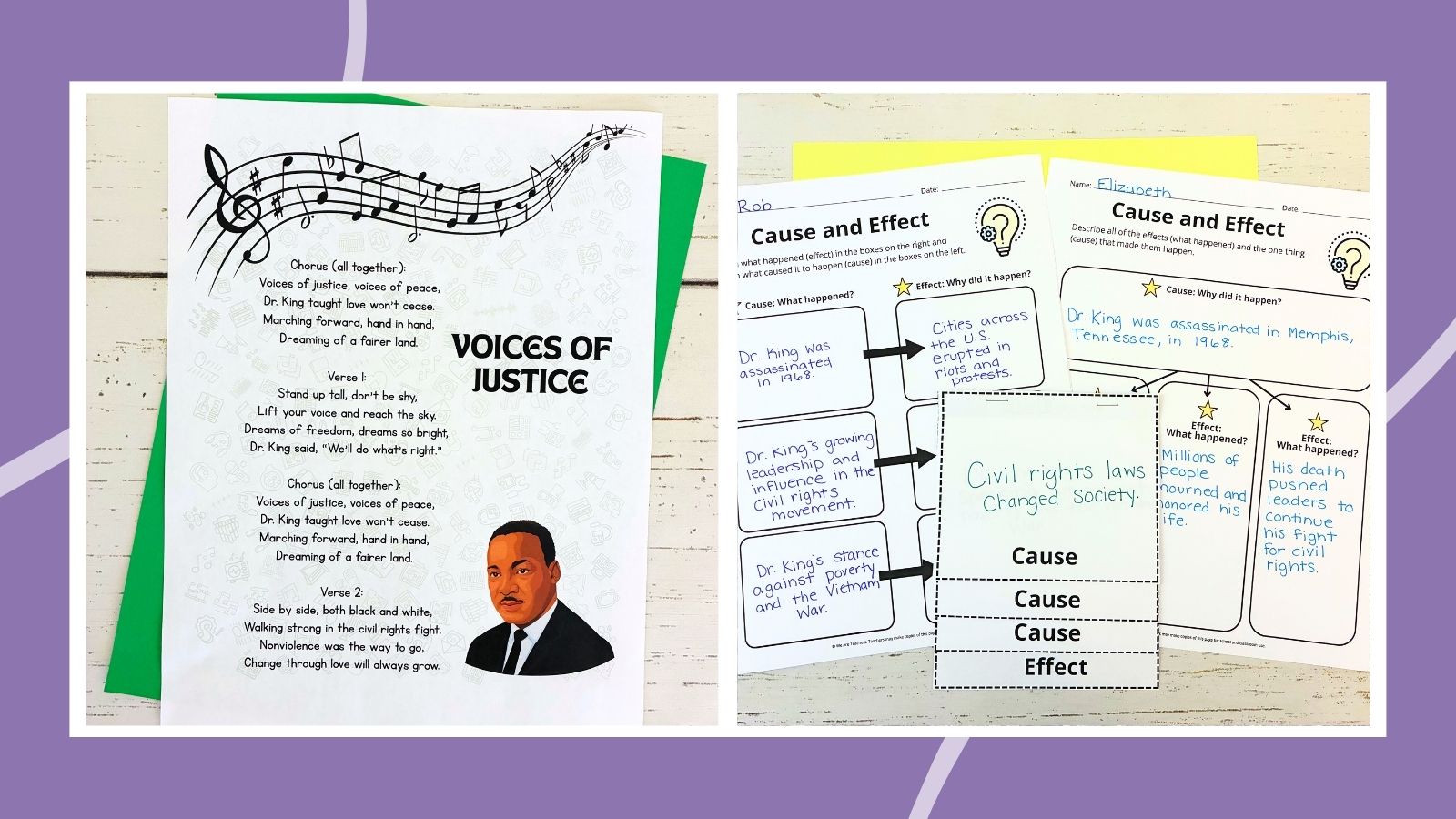
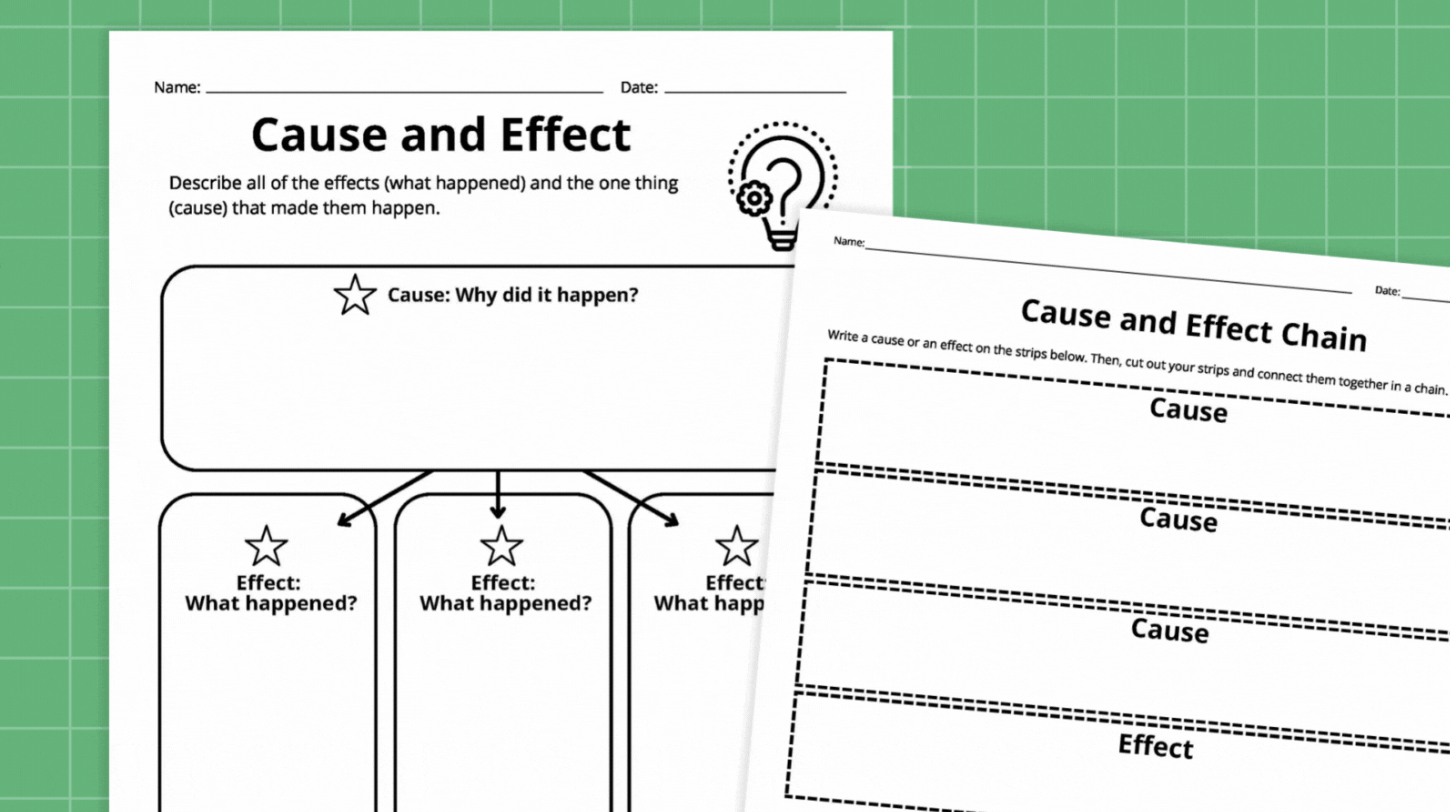
Students explore the events leading to MLK’s assassination by creating flow charts or cause-and-effect stories. I guide this gently: We focus on one event at a time (the Birmingham campaign, the Lorraine Motel) so it’s not overwhelming. It leads to deep discussion where students realize history has many pieces that led to that tragedy. I always ensure questions are addressed respectfully, helping students understand the cost of courage.
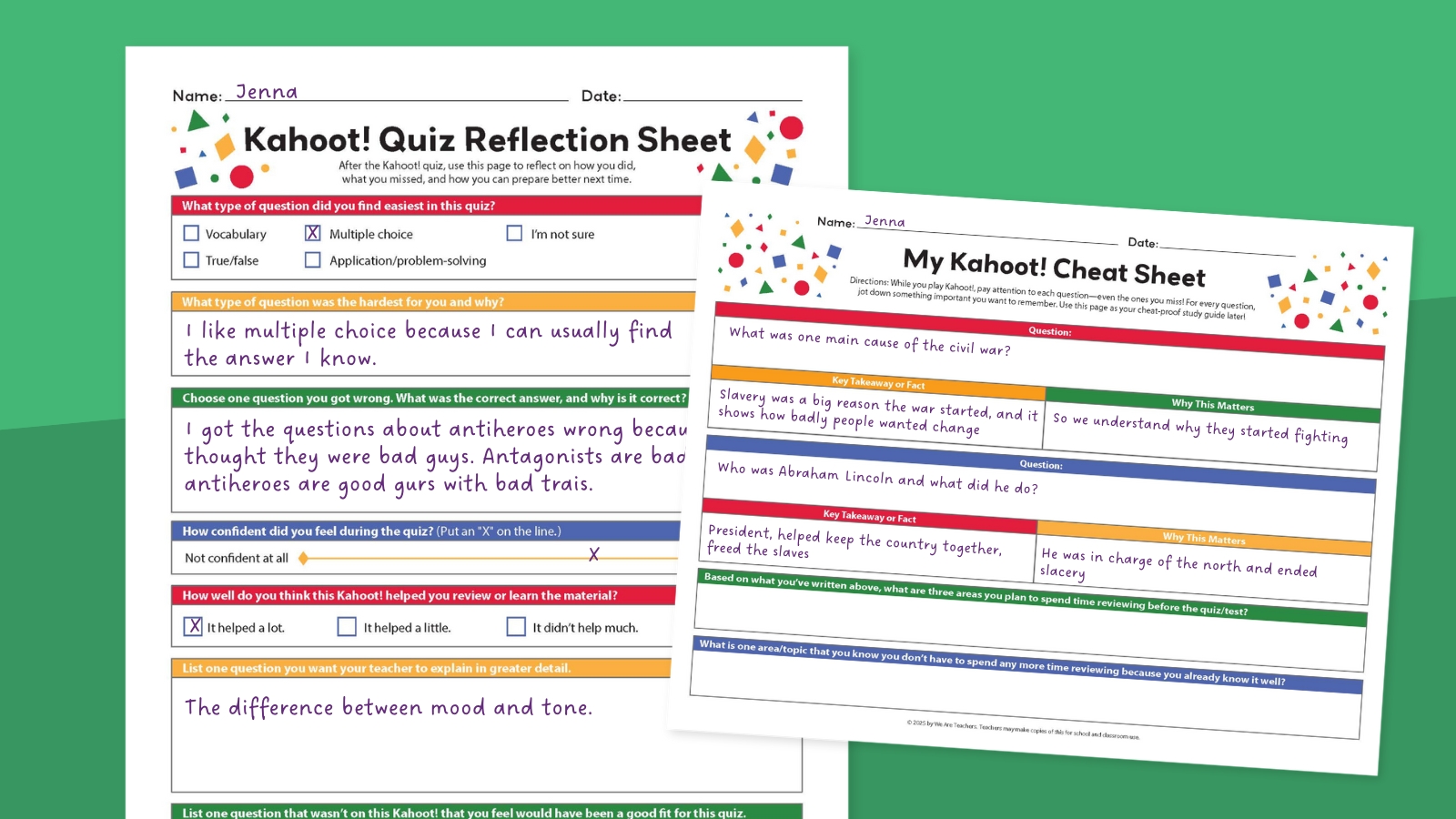
17. Kahoot! with a cause
Students play or create a Kahoot! quiz on MLK’s life and legacy. It’s surprisingly engaging—even kids who seem disinterested in history perk up to buzz in. I make it collaborative by having table teams, and sometimes students even add their own trivia questions. A few years ago, a group in my class got so into it that they wanted to stay and play into the enrichment period, which is exactly the kind of excitement I hoped for.
18. “King’s kitchen table” interviews
Students research figures from MLK’s life (his parents, Coretta Scott King, fellow activists, even opponents) and role-play a dinner-table conversation among them. We brainstorm questions and then improvise a family-style discussion. It builds empathy: One student playing Coretta Scott King became emotional talking about supporting MLK after his death. This dramatization connects history with personal storytelling, and it’s always a memorable discussion.
19. Virtual field trips
We often use virtual tours (Google Earth, videos, Google images, etc.) to “visit” MLK-related sites like the Edmund Pettus Bridge in Selma or the National Civil Rights Museum. My students love seeing history on the map. Afterwards we discuss which site impacted them the most. It’s a great way to connect geography with MLK’s story.
20. MLK in comic strips
Students illustrate a comic strip that tells a real moment from MLK’s life or an imaginary conversation between MLK and a modern child. I give them a simple storyboard with a beginning, middle, and end. It’s impressive to see their creativity: One comic showed young Martin praying in church, then cleverly zoomed out to reveal baby MLK in the last panel, which had the class giggling. These comics make learning fun, and we often post them in the hallway.
21. Research the Nobel Peace Prize
I ask students to research why MLK won the Nobel Peace Prize in 1964 and discuss the achievements behind it. Then they nominate a modern figure they think deserves it and explain why. This critical-thinking task often leads to passionate debates (one year a student defended a pandemic hero who was a traveling nurse) and shows how MLK’s legacy inspires questions about justice today.
22. “Road to Peace” board game
Students design a board game where players move by answering MLK trivia or making peaceful choices (like “cheer up a classmate” or “skip ahead for kindness”). We play the games in teams, and I often see creative rule twists (like adding a “Unity” card for teamwork). It’s a fun way to reinforce facts because kids know they must explain a choice to advance. One group even had players do jumping jacks to reach MLK’s next speech location!
23. Digging deeper
I showed a photo of MLK’s family at his funeral and had students research who each person was (Coretta, their children, etc.). They were amazed to learn what Coretta did and his children continue to do today, which made MLK’s story feel personal, not just historical. It reminds everyone that MLK was part of a real family with its own legacy.
24. “Voices of Justice” song or rap
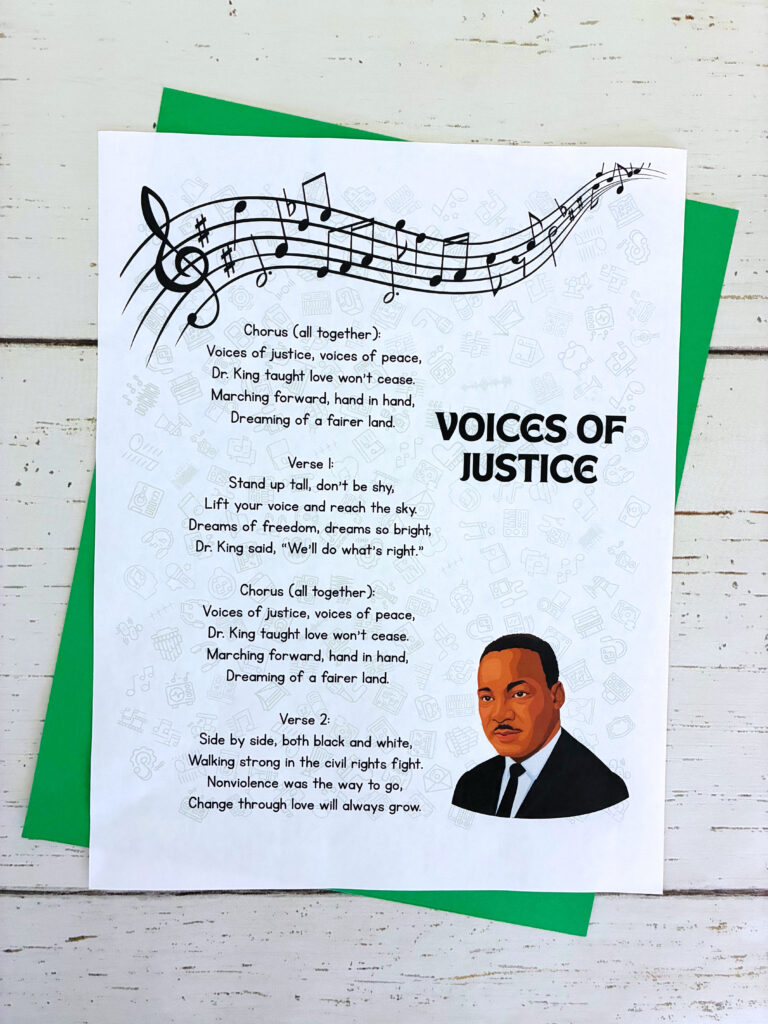
Students create a song or rap about MLK’s message. Some research freedom songs and write new lyrics; others choose modern music that connects to civil rights. We even record it with phone apps or perform it. My school’s talent show once featured a student rap about equality inspired by MLK, and it was a hit. This gets musical learners involved and shows how MLK’s words can be reinterpreted in new, creative ways.
25. “The cost of justice” then vs. now
Students research prices of everyday items from the 1960s (like bus fare, movie tickets, and groceries) and compare them to today’s prices, to give historical context. I made it a math challenge: One student found that a 1963 movie ticket would cost over $100 today! It sparks comments like “that’s so cheap” or “that’s expensive now,” which leads us to talk about access and fairness. This practical math ties directly into understanding the era’s challenges.
26. MLK civil rights tour
Students plan a tour visiting key MLK sites (Ebenezer Baptist Church in Atlanta, the Edmund Pettus Bridge, Birmingham Jail, etc.). I have them map out a route, budget for travel (even if imaginary), and research each stop’s history. Then each group “leads” a portion of the tour in class. One student later said, “I felt like I was really there” when we discussed the Montgomery bus sit-ins. This project ties together geography, history, and civic understanding in a creative way.
27. Origami peace tribute
My students wrote peaceful messages on origami cranes or doves reflecting MLK’s dream, then we hung them as a “Peace Mobile” in the classroom. This artsy break gave even our quiet learners a moment to shine as they folded paper, wrote wishes, and expressed hope through craft.
28. “Breaking news!” MLK headlines
Students summarize real MLK-related events as if writing 1960s newspaper articles. They use the 5Ws (who, what, when, where, why) to craft front-page headlines or scripts for a mock news broadcast. We might even perform a quick live news show. It’s a great literacy exercise: One student playing a reporter during the Birmingham Children’s Crusade had the class enthralled. This activity helps them practice concise writing and see history through the lens of journalism.
29. What’s in a name?
Students learn that MLK Jr. was originally named Michael King Jr., then research and present the story or meaning behind their own names. I start with MLK’s name-change story as a hook, and then kids interview parents about their names. It’s a beautifully reflective activity—many share family heritage or fun naming stories. Ultimately it leads back to a class discussion on identity and legacy, helping them connect personally to MLK’s life story. I share that my name comes from my great-grandmother and grandmother.
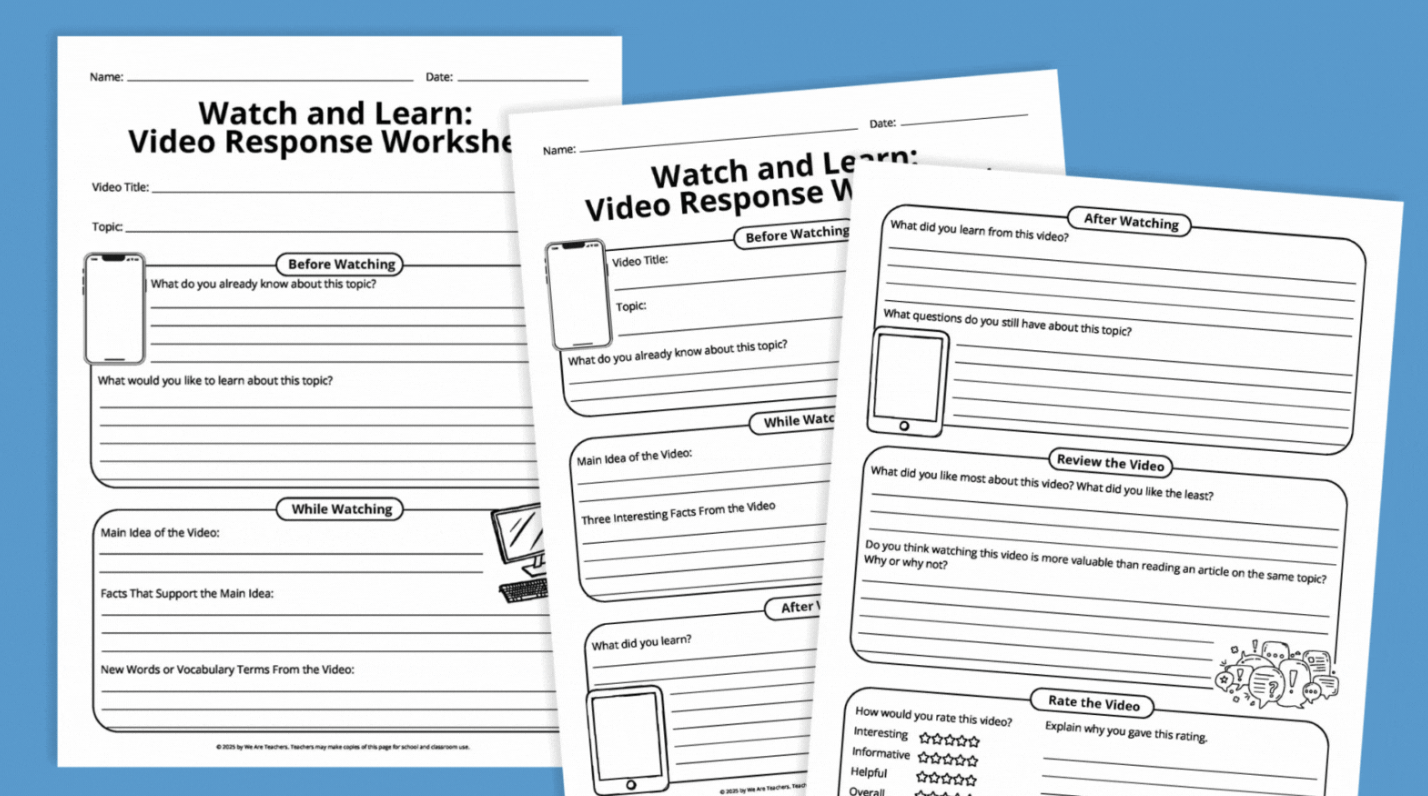
30. “I Have a Dream” video reflection
We watch MLK’s “I Have a Dream” speech and students complete a guided reflection sheet on its meaning. I pause at key points to let them jot down reactions or imagery that stands out. After viewing, we do a round-robin share, and the insights are amazing. Younger students often note the crowd’s reaction, while older ones pick up on rhetorical devices. This always turns into a powerful moment where students reflect on why those words still matter.
High School Martin Luther King Jr. Activities
31. Study how others have honored Dr. King
When we play Stevie Wonder’s “Happy Birthday” tribute to MLK, I have students follow along with the lyrics and discuss its story. It’s a great hook since many already love the song and it helps them see how music became part of the campaign to honor MLK.
32. Watch and discuss Selma
For older students, watching the movie Selma makes history come alive. I pause to ask what feels factual versus dramatized, and the famous march scene always sparks deep emotion. Afterwards, students often say they understand MLK’s courage in a whole new way. One of my favorite songs (“Glory” by Common and John Legend) is in the movie, so of course we play this to add to our discussion.
33. Compare and contrast activists
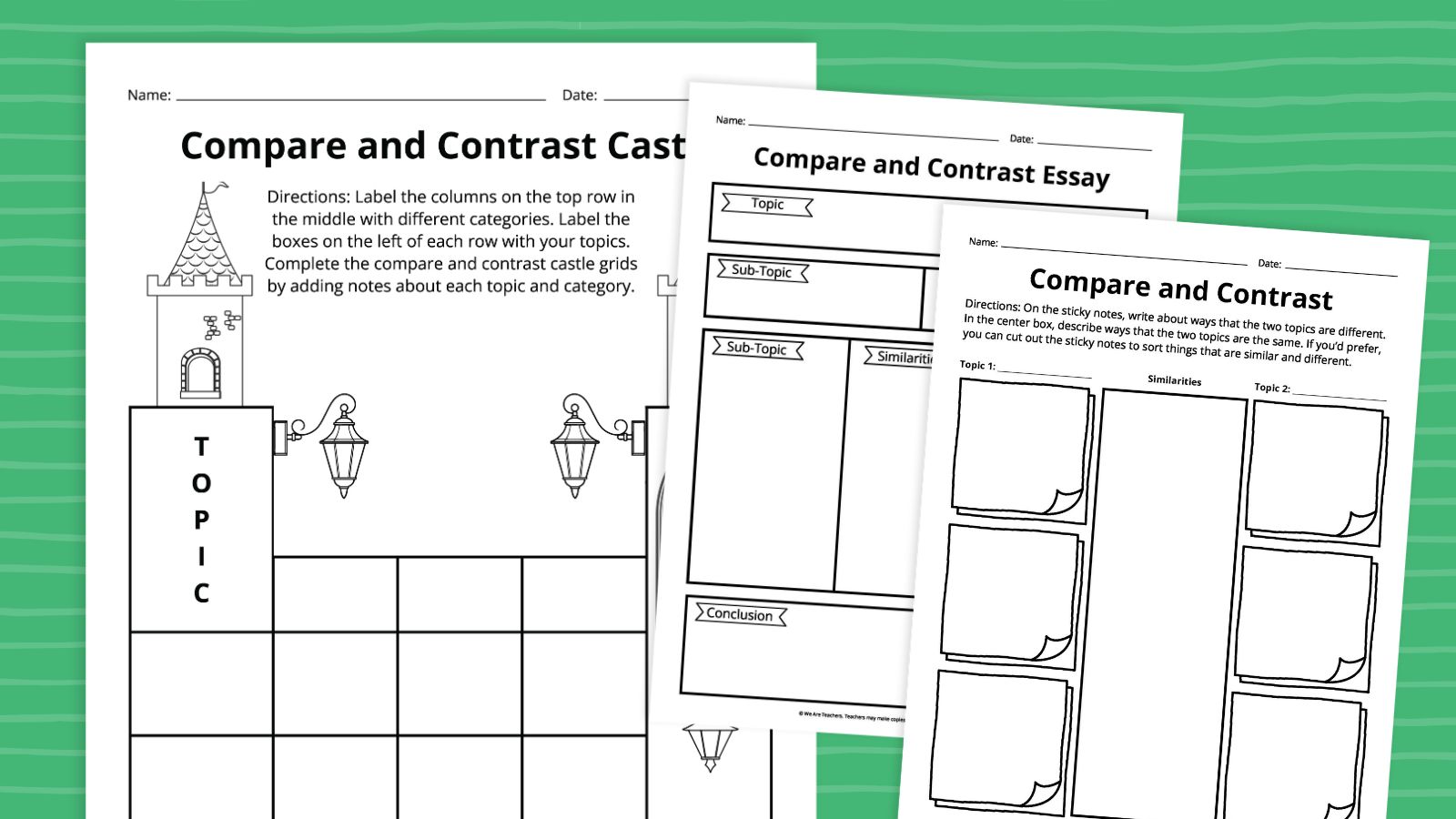
Students create Venn diagrams comparing King’s peaceful protests with modern activists like Malala Yousafzai or Greta Thunberg. We discuss each person’s tactics and goals, and kids often spot powerful connections, seeing how the civil rights struggle is ongoing and relevant to their own lives. I have had several activists fight for the environment, Juneteenth, immigration, and basic human rights bloom from this activity.
34. Words that changed the world

We watch MLK’s “I Have a Dream” speech and students complete a guided reflection sheet on its meaning. I pause at key points to let them jot down reactions or imagery that stands out. After viewing, we do a round-robin share, and the insights are amazing. Younger students often note the crowd’s reaction, while older ones pick up on rhetorical devices. This always turns into a powerful moment where students reflect on why those words still matter.
35. MLK radio show
Students script and record a mock 1960s radio segment reporting on an MLK event or speech. They write questions and answers, add era-appropriate music, and even invent “ads” from that time. It’s chaotic and creative but so engaging. One group cleverly created an “ad” for a fictional product called “Freedom Beans” during their broadcast! We listen to the best shows together, and the students always remember the learning points when they’re wrapped in humor and music.
36. MLK soundtrack
Students create an “MLK soundtrack” by exploring civil rights era music and selecting songs that connect to MLK’s message. They build playlists and write brief explanations of each song’s relevance. We listen to clips in class and discuss lyrics. The music itself gets kids moving in their seats and starts great conversations. For example, hearing Sam Cooke’s “A Change Is Gonna Come” brought tears for one student, leading us to a heartfelt talk about hope and struggle.
37. The MLK storybook
Older students create illustrated children’s books about MLK’s life and read them to younger classes. I partnered with an elementary teacher for this. My students find it both fun and challenging—they have to simplify history into a narrative for little ears. And it’s so rewarding: The day they read their books aloud, even shy students beamed with pride. Teaching it reinforces their own understanding, and the younger kids get a memorable lesson from their big buddies.
38. “My Dream” speech
Students write and deliver their own “I Have a Dream”–style speech on a topic they care about. We spend time on tone and body language; I even set up a microphone or broom-handle for dramatic effect. Watching my shyest students stand up and speak confidently is the best payoff. One year, a student concluded his speech with “Free at last” and tears in his eyes, and we all gave him a standing ovation. It’s a powerful lesson in voice and conviction.
39. Leaders in the light and shadows
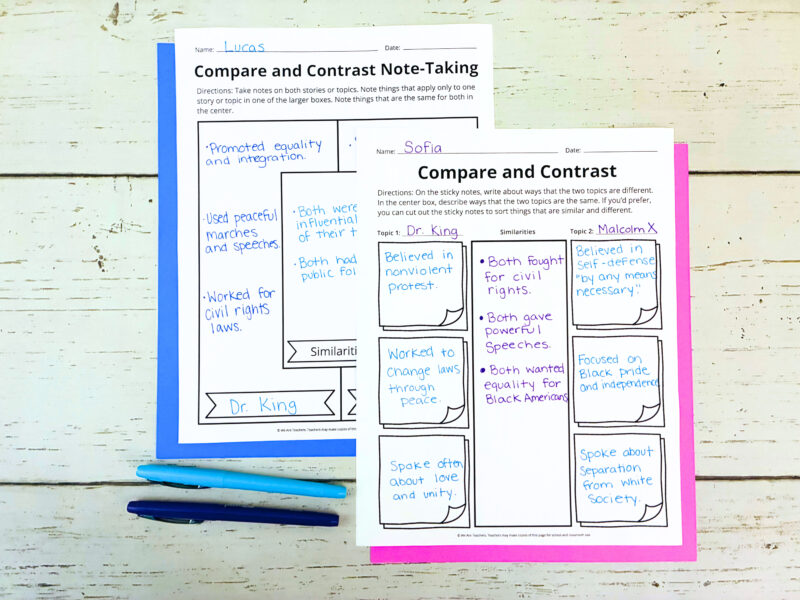
Students research and compare MLK to other civil rights leaders (or even to modern activists) using Venn diagrams or presentations. I ask questions like “How did their approaches or challenges differ?” One group compared MLK and Malcolm X, another compared MLK to Nelson Mandela. The activity sparks lively debate about strategy and impact. In my class, even quiet students find insightful points, realizing that history is rich with different voices.
40. MLK’s Insta and TikTok
Students create mock Instagram or TikTok profiles for MLK, imagining what posts, hashtags, or short videos he might share today. They use phones or draw templates for posts. It’s hilarious and insightful. One student made an MLK “TikTok“ clip about peaceful protest that got the room laughing. It also leads to a talk on digital citizenship, like what an MLK hashtag might look like (e.g., #Dream2026). This activity brings MLK into today’s world in a way middle schoolers really get.
41. MLK around the world
Students can complete a worksheet or project on MLK’s global impact. For instance, finding how different countries observe MLK Day or translating his quotes into another language. In my school, I could partner with an ELL class to translate one of his quotes for a poster. It would be amazing to see MLK’s words in different alphabets. This could show students that MLK’s dream crossed oceans, making the lesson feel bigger than just one country’s history.
42. “March for Change” event planning
Students plan a peaceful community march inspired by MLK’s methods of picking a cause (like unity or the environment), mapping a route, designing signs, and even budgeting for flyers. My team (Team Bully-Free Forever) practiced by marching silently with handmade posters through the hallway (with permission, of course). This turned into a practical civics lesson: One student later used the same steps to help organize a real school fundraiser. It teaches them how a movement starts with planning.
43. “If MLK were here today” AI & age-progression activity
Students use age-progression tools (or just their imagination) to see what Martin Luther King Jr. might look like now, and then write about what current issues he might speak on. We discuss historic events he never saw (like the first Black president) and how he might react. One student drew an older MLK giving a speech on social media platforms. This creative exercise links past and present and even opens a conversation about technology and ethics.
Extensions:
- Include AI-generated “photo captions” for historical milestones.
- Use text-based AI (like ChatGPT) to generate a fictional interview with an older Dr. King.
44. Debate for the dream
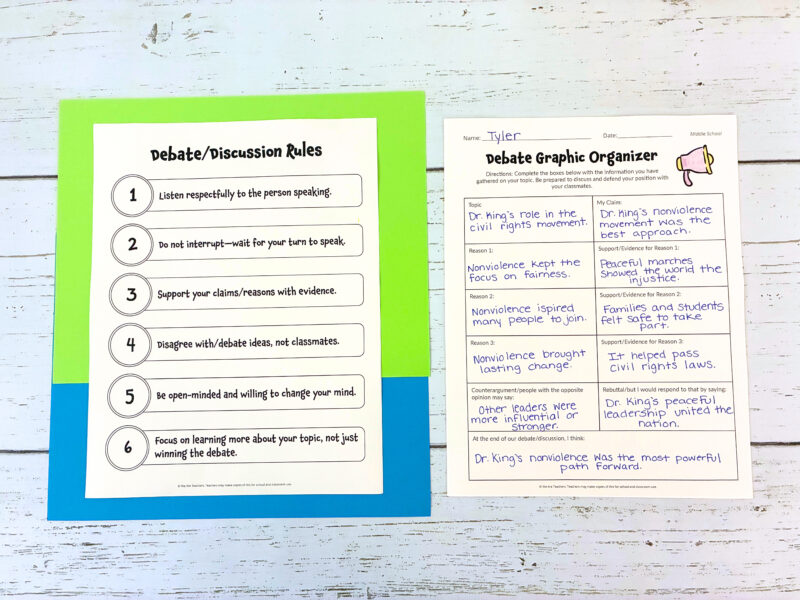
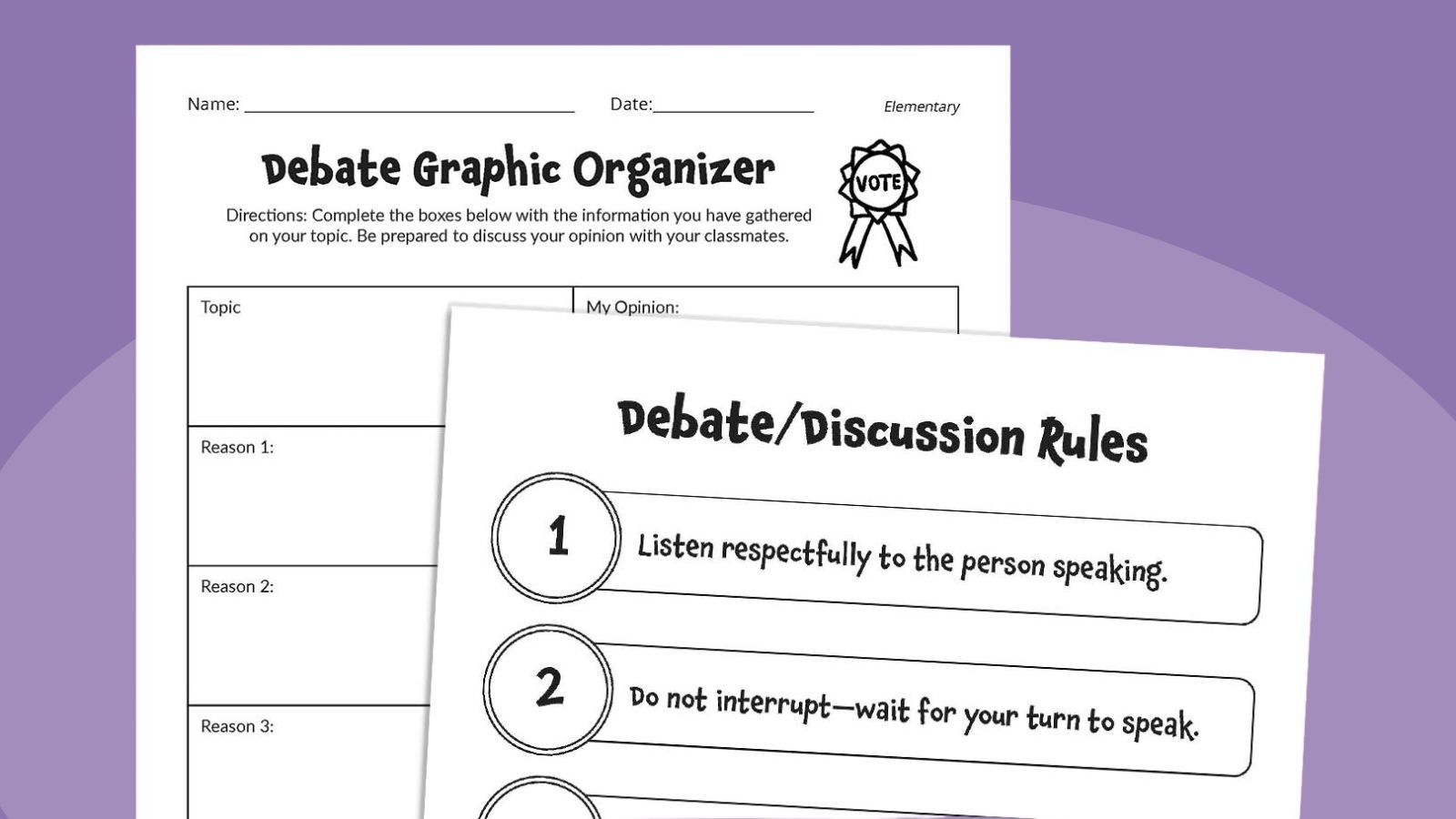
Students participate in structured debates on questions like “Was nonviolence MLK’s only option?” or “Who was the most influential civil rights leader?” I split the class into teams and give them time to research arguments. Debates can get loud, so I set ground rules, but it’s worth it: Even quieter students gain confidence. Afterwards, we highlight that the point is exploring ideas respectfully. It’s a chance for them to practice speaking skills and critical thinking.
45. Map Martin’s memories
Students create a map (digital or paper) marking places MLK visited and locations named after him today. Younger students pin points, while older ones add captions or stories. In one class, students traced the route of the Selma march and another highlighted the church in Atlanta. This project connects geography and history; by the end, every student feels like a junior historian who’s “been there” with Martin.
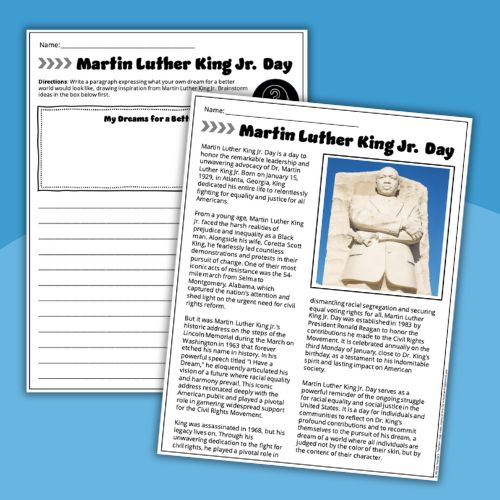
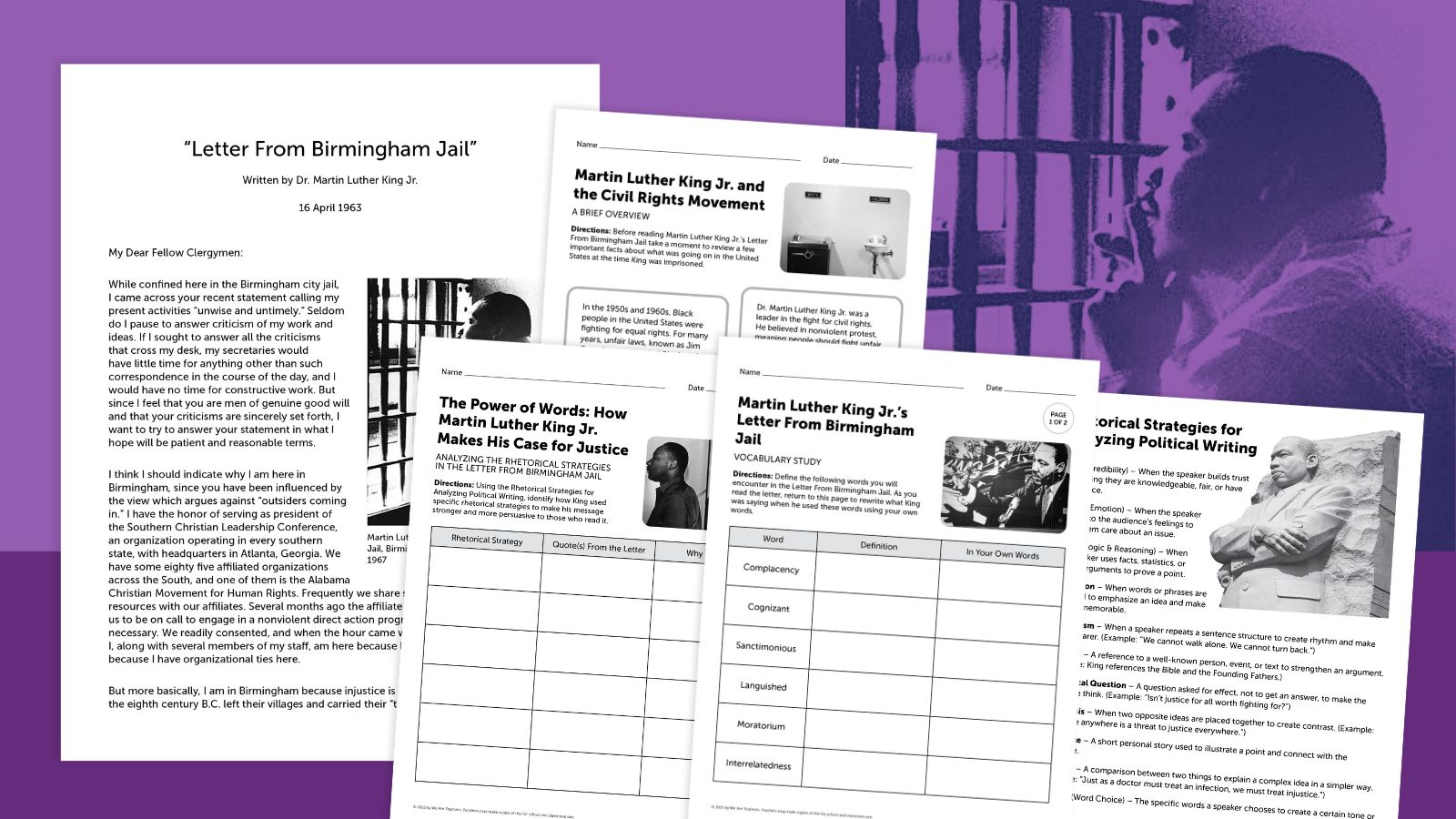
Download our free printable Martin Luther King Jr. worksheets!
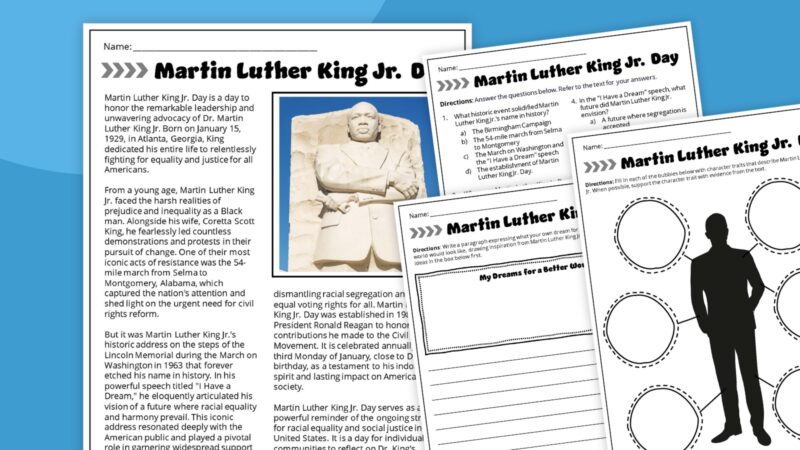
We’ve created a set of reading materials and accompanying activities that’s perfect for elementary and middle school students. It includes a writing prompt and graphic organizer page too. Just follow the link below to get them.
What are your favorite Martin Luther King Jr. activities to celebrate his incredible legacy? Come share your ideas in the We Are Teachers HELPLINE group on Facebook.
Plus, check out our Martin Luther King Jr. for Kids resources with Google Slides and even more classroom activities.
[ad_2]
Source link